
In a decisive move to address mounting economic pressures and dwindling public support, Germany’s ruling coalition government has unveiled a sweeping new policy agenda designed to invigorate the nation’s sluggish economy and restore political stability. The agreement, brokered by Chancellor Friedrich Merz’s administration during a recent cabinet meeting, centers on two critical pillars: the aggressive acceleration of key infrastructure projects and the complete repeal of a deeply unpopular and contentious clean-heating law. This strategic pivot represents a significant departure from previous policies, signaling a pragmatic shift by the fractious coalition to tackle long-standing issues of bureaucratic inefficiency and public discontent. As Germany navigates a period of economic stagnation and political fragmentation, these measures are being presented as a bold attempt to demonstrate decisive leadership, deliver tangible results to voters, and counter the rising influence of political rivals ahead of a crucial election cycle.
Accelerating National Infrastructure Development
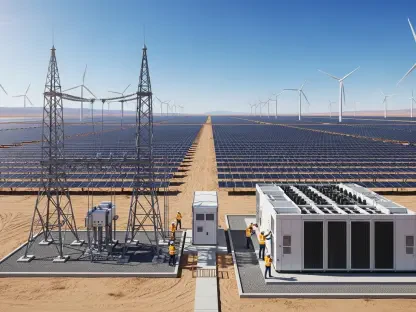
At the heart of the government’s economic revival strategy is a comprehensive plan to fast-track infrastructure development, a sector long hampered by regulatory hurdles and procedural delays. To achieve this, the coalition will introduce a new law that designates a wide array of transport schemes as being of “overriding public interest.” This legal classification will grant these projects priority status, effectively streamlining the historically complex planning and approval processes that have stalled progress on essential upgrades for years. Chancellor Merz has been clear that while environmental stewardship remains a core value, it can no longer be wielded as a tool to obstruct urgently needed modernization through what he termed “endless procedures.” This initiative marks a definitive break from the fiscal conservatism of past governments, reflecting a newfound willingness to embrace debt-financed investment to confront the pressing issue of Germany’s decaying national infrastructure and stimulate broad-based economic growth across the country.
The push for accelerated development is further supported by specific, targeted reforms aimed at dismantling bureaucratic bottlenecks. A key measure involves transitioning all administrative procedures related to these priority projects to an exclusive “digital only” standard, a move designed to drastically shorten timelines and enhance transparency. In another significant change, the government will eliminate the requirement for a separate environmental impact assessment for the electrification of railway lines up to 60 kilometers in length. This change is expected to expedite the modernization of Germany’s rail network, a critical component of its transport and climate strategy. These pragmatic adjustments underscore a fundamental shift in governance, where the imperative to build and modernize now takes precedence over procedural orthodoxy. By directly confronting the administrative inertia that has plagued the nation, the coalition aims to send a powerful message that Germany is once again open for business and serious about competing on the global stage.
A New Approach to Energy and Political Strategy
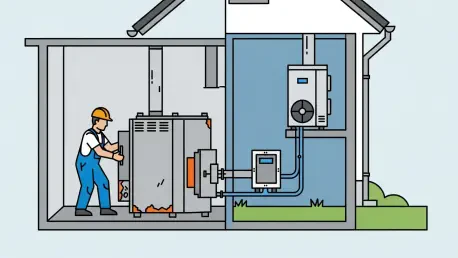
The second major pillar of the coalition’s agreement is the repeal of a controversial heating law enacted by the previous administration. That law, which mandated that most newly installed heating systems be powered predominantly by renewable energy sources, sparked a fierce public backlash and was widely cited as a key factor in the erosion of the former government’s political capital. Responding to widespread criticism over its perceived rigidity and financial burden on homeowners, the Merz government will replace it with a thoroughly revamped Building Modernisation Act. This new legislative framework aims to strike a more delicate balance between achieving climate goals and respecting household autonomy. The overarching objective of reducing emissions from the building sector remains intact, but the new approach is designed to be more flexible, market-driven, and less prescriptive, reflecting a lesson learned about the political perils of imposing abrupt and costly green transitions on the populace without sufficient public buy-in.
The new Building Modernisation Act, which the government planned to submit to parliament by the spring, fundamentally altered the state’s approach by granting households greater flexibility in their choice of technology and more realistic timelines for implementation. This policy shift was heavily influenced by the prevailing political climate, where a series of missteps had severely weakened the coalition’s standing. With five state elections looming next year, both the conservatives and their Social Democrat partners were under intense pressure to secure tangible policy victories. Recent polls had revealed a dramatic decline in support for the ruling parties since the last federal election, creating a political vacuum that the far-right Alternative for Germany party had successfully exploited to surge ahead in nationwide surveys. Consequently, this joint agreement on infrastructure and heating modernization represented a calculated and unified effort to directly address voter concerns, project an image of competence, and ultimately reverse the government’s precarious downward political trajectory.