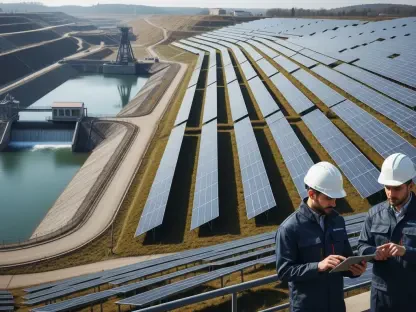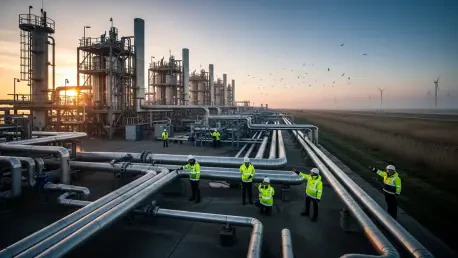

What if a single industrial hub could redefine the fight against climate change? In the coastal town of Emden, Germany, a monumental shift is underway as German energy company EWE breaks ground on a 320-megawatt green hydrogen plant. This isn’t just another renewable energy project—it’s a potential game-changer for industries long tethered to fossil fuels. Picture a sprawling facility humming with clean energy, poised to fuel a greener tomorrow right from the heart of northern Germany.
This initiative, part of the ambitious Clean Hydrogen Coastline project, marks a critical milestone in Europe’s quest for sustainability. With operations slated to kick off by the end of 2027, the Emden plant stands as one of Germany’s first large-scale electrolysis facilities. Its significance lies not only in its size but in its promise to slash carbon emissions for heavy industries like manufacturing and transport. This is a story of innovation meeting urgency, a testament to what’s possible when vision aligns with action.
Could Hydrogen Be the Key to a Cleaner Industrial Era?
Imagine heavy industries—chemicals, steel, shipping—no longer choking on fossil fuel-derived hydrogen but thriving on a clean alternative. Green hydrogen, produced using renewable energy to split water into hydrogen and oxygen, offers a path to decarbonize sectors that have been stubbornly hard to clean up. The Emden project embodies this hope, aiming to supply substantial quantities of green hydrogen to regional customers, cutting their reliance on polluting energy sources.
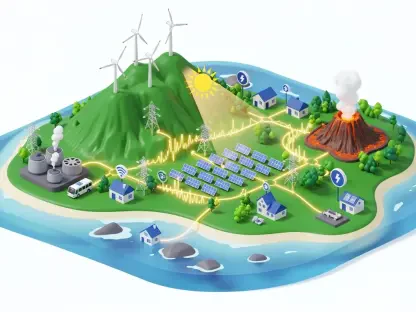
Beyond the local impact, this aligns with a global push toward net-zero emissions. Governments and corporations worldwide are betting on hydrogen to meet ambitious climate targets, and Germany, a frontrunner in Europe’s energy transition, is no exception. The Emden facility could become a cornerstone, proving that large-scale green hydrogen production is not just feasible but essential for a sustainable industrial future.
Why Green Hydrogen Demands Attention Today
The urgency for green hydrogen has never been clearer. Heavy industries account for a massive share of global emissions, often relying on hydrogen made from natural gas—a process that releases significant carbon dioxide. Replacing this with green hydrogen could shrink industrial carbon footprints dramatically, a crucial step as the clock ticks on climate goals.
Germany positions itself at the forefront of this shift, with Emden’s plant fitting into a national strategy to build a hydrogen-powered economy. This isn’t merely about one facility; it’s about setting a precedent for others across Europe. If successful, the project could inspire similar efforts, amplifying the impact on emission reductions and energy security across the continent.
Inside the Emden Green Hydrogen Initiative
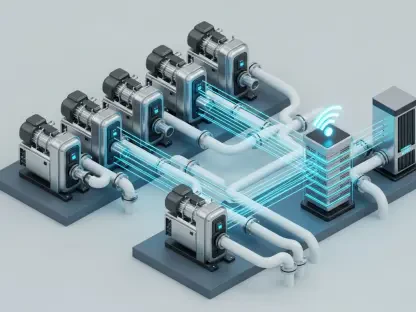
The numbers behind the Emden plant are staggering—320 megawatts of capacity, placing it among the largest green hydrogen projects in Europe. By the time it’s fully operational in roughly two years, it will produce enough clean hydrogen to power significant industrial operations, a bold stride in proving the scalability of this technology.
This isn’t happening in isolation. EWE envisions a northern German hydrogen ecosystem, integrating the plant with a storage facility in Huntorf and a pipeline network connecting Wilhelmshaven, Leer, and Emden. This infrastructure aligns seamlessly with Germany’s broader goal to create a robust hydrogen backbone, ensuring supply meets demand across key regions and industries.
Moreover, the environmental stakes are high. Supplying green hydrogen to local manufacturers and transport sectors could slash emissions in areas where electrification alone falls short. While exact figures on reductions are still projections, the potential to transform hard-to-abate sectors is undeniable, marking a significant win for decarbonization efforts.
Voices Shaping the Hydrogen Revolution
EWE CEO Stefan Döhler captured the excitement of this milestone, stating, “Entering the construction phase is a major step forward. This project secures long-term green hydrogen supply agreements and signals our readiness to grow the industrial hydrogen market.” His confidence reflects a shared belief in hydrogen’s role in sustainable energy.
Döhler also pointed to a German Federal Audit Office report, stressing the need for supportive government policies to bolster the hydrogen economy. Stable regulations and financial incentives, he argued, are vital to bridge the gap between producers and consumers. Insights from consortium partners like Ludwig Freytag and MBN further highlight the complexities of such large-scale builds, noting that collaboration and expertise are critical to overcoming technical and logistical hurdles.
Steps to Forge a Hydrogen-Powered Tomorrow
Building a hydrogen future starts with actionable strategies. Industries must gear up for the transition by forging partnerships and securing supply agreements with pioneering projects like Emden’s. This means rethinking energy procurement and investing in infrastructure to handle green hydrogen at scale.
Governments, too, have a pivotal role. Crafting clear, consistent policies and offering financial backing can accelerate adoption, ensuring the hydrogen market thrives. Looking ahead, other regions and companies can learn from EWE’s model—prioritizing collaboration, infrastructure investment, and alignment with national climate goals proved to be a winning formula.
Reflecting back, the journey to establish the Emden plant showed that bold innovation, paired with strategic alliances, could turn ambitious climate goals into tangible outcomes. The groundwork laid by EWE and its partners offered a blueprint for others to follow. Moving forward, the challenge remained to sustain momentum, ensuring that green hydrogen became not just a niche solution but a mainstream driver of industrial change across the globe.