
Strategies for Resilience in a Volatile Global Market
The strategic evolution of the Iberian forestry sector has reached a critical juncture where operational agility and carbon-neutral energy production define the boundary between stagnation and market leadership. Ence, a leading force in the cellulose and renewable energy sectors, is currently navigating a pivotal era of transformation. While the recent fiscal cycle presented a complex landscape defined by operational milestones set against significant financial headwinds, the company’s strategic trajectory remains focused on long-term value creation. This analysis explores how the organization is recalibrating its business model to move away from commodity dependence toward high-margin specialty products and green energy solutions. By analyzing the intersection of cost optimization and portfolio diversification, the roadmap toward robust growth and profitability becomes clear.
Historical Context: The Shift from Traditional Pulp
Historically, performance was closely tethered to the cyclical nature of the global eucalyptus pulp market. Over the past decade, the industry faced increased competition and price volatility, forcing traditional producers to either scale or specialize. In recent years, the company recognized that its traditional reliance on standard cellulose left it vulnerable to external price shocks. Past developments, such as the fluctuating demand for paper products and the rising global emphasis on sustainability, acted as catalysts for the current evolution. Understanding this background is essential, as it highlights why the transition into renewables and specialty fluff pulp is a necessary survival strategy in a decarbonizing economy.
Diversification and Operational Efficiency
The Rise of Biomass: Circular Economy Initiatives
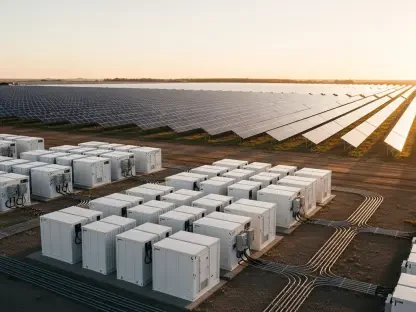
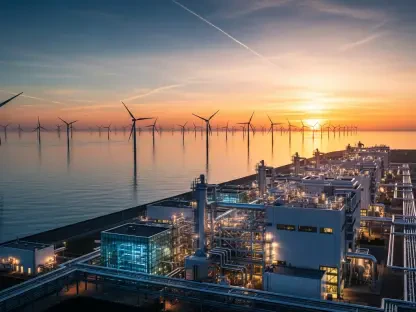
A critical pillar of the growth strategy is the aggressive expansion into the renewable energy sector. The biomass division recently generated over 1,240 gigawatt-hours of electricity, representing a 6% increase. This transition into energy production provides a stable revenue stream that offsets the volatility of the pulp market. Furthermore, the development of 25 biofertilizer and biomethane projects moves the company deeper into the circular economy. These initiatives capitalize on industrial by-products, turning waste into high-value energy and agricultural solutions, thereby reinforcing a leadership position in the green transition.
Transitioning to High-Margin Specialty Pulp
The company is fundamentally altering its product mix to prioritize specialty pulp over standard commodities. Specialty products now account for a significant portion of sales, with a clear target to reach 62% by 2028. A standout achievement in this area is the launch of the first eucalyptus-based fluff pulp line at the Navia facility. Designed specifically for the hygiene and absorbent products market, this innovation allows for entry into a niche segment with higher barriers to entry and more stable pricing. This shift not only mitigates the risks of price fluctuations but also aligns output with the growing consumer demand for sustainable materials.
Financial Health: Cost Optimization and Restructuring
Rigorous measures were undertaken to streamline financial health after recording a net loss in the previous cycle. A 15% workforce reduction in the pulp division, while incurring short-term restructuring charges, is part of a broader effort to lower the cash cost of production. Currently, production costs have dropped to €483 per tonne—the lowest level in years—with expectations of further reductions by 2027. Despite an increase in financial debt to €378 million, these efficiency gains, combined with a rebounding market price for cellulose, position the firm to capitalize on the upcoming months with a leaner and more agile operational structure.
Market Dynamics: Industry Trends and Economic Recovery
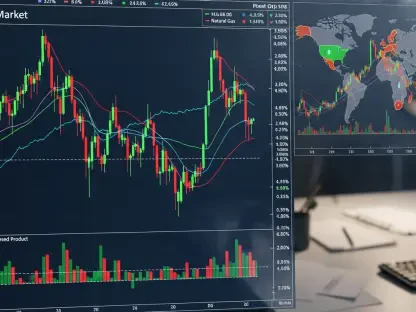
The landscape appears increasingly favorable as global market dynamics shift. Analysts are observing a significant rebound in pulp prices, which are trending toward $1,330 per tonne after a period of depression. This price recovery, coupled with increased capacity for industrial heat and biomethane, suggests a strong return to profitability. Furthermore, the regulatory push for green industrial processes in Europe is likely to favor a biomass-heavy portfolio. Looking ahead, the integration of advanced biotechnology in pulp processing and the expansion of the biomethane grid are expected to be the primary drivers of the next growth cycle.
Strategic Takeaways: Insights for Stakeholders and Industry Leaders
This case study offers several vital lessons for businesses navigating industrial transitions. First, diversification served as the most effective hedge against commodity price volatility; by investing in both energy and specialty manufacturing, a dual-engine growth model was built. Second, operational efficiency must be a continuous pursuit rather than a reactive measure. For professionals in the sector, the takeaway is clear: the future of the forest products industry lies in the high-value bio-refinery concept, where every component of the raw material is converted into a specialized product or energy source.
Establishing a Framework: Foundations for Sustainable Growth
The strategic pivot toward specialty pulp and renewables marked a decisive step toward a more resilient and sustainable future. While the financial losses of the past year were a stark reminder of market volatility, the strategic response was both disciplined and visionary. By focusing on high-margin hygiene products, reducing operational costs, and expanding the footprint in the renewable energy sector, the business effectively future-proofed its operations. Stakeholders should now prioritize the integration of circular economy principles to maximize resource efficiency. Leaders in similar industries must accelerate the adoption of biomethane technology to capitalize on emerging energy grids. Maintaining a lean cost structure while scaling specialty lines proved to be the essential mechanism for securing industrial leadership in a competitive global market.