
With a career spanning decades in energy management and grid security, Christopher Hailstone has become a leading voice on the transition to renewable energy. We sat down with him to discuss the proposed £500 million wind turbine manufacturing plant at Portland Port, a project poised to transform the Dorset coast. Our conversation explored the critical steps beyond the initial feasibility study, the profound promise of local job creation, the practical realities of managing construction, and how this single plant could anchor the entire region’s green energy ambitions for a generation to come.
The Crown Estate has put up £1.5 million for this initial study. Looking beyond a simple ‘yes’ or ‘no’ on viability, what are the critical technical and environmental benchmarks this study needs to hit to be considered a true success, and what would the roadmap look like to get from a positive study to breaking ground?
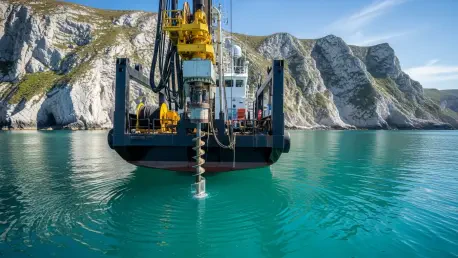
That £1.5 million is a serious vote of confidence, but it’s just the first step on a very long road. Beyond basic financial viability, the study must clear three critical hurdles. First is the geotechnical challenge; you can’t just build a 50-acre facility with a massive, high load-bearing quayside anywhere. They have to prove the ground and seabed at Balaclava Bay can support the immense weight of turbine components and construction without any risk of instability. Second, there’s the marine ecology. Building out 700 to 1,000 meters of new deep-water quayside will have an impact, so the study needs a bulletproof environmental plan that demonstrates minimal and manageable disruption to the local marine habitat. Finally, the logistics must be airtight. The developer’s claim that the “overwhelming majority of the materials will both arrive and leave from the quayside” has to be backed by a detailed, workable model. If the study nails those three things, the roadmap then involves securing the full £500 to £600 million in private investment, followed by a multi-year, exhaustive planning and permitting process with local and national authorities before a single shovel can hit the ground.
The project is being hailed as a way to bring back prosperity, specifically referencing the loss of Royal Navy jobs 30 years ago. Could you paint a picture for us of the kinds of high-skill, well-paid roles this facility would create, and how a community that has seen its industrial base shrink can realistically be prepared to fill them?
This is about more than just a paycheck; it’s about restoring a community’s economic identity. When the Royal Navy pulled out, it wasn’t just jobs that were lost, but a whole ecosystem of skills and local pride. This project promises to bring that back, but with a modern, green-energy focus. We’re talking about creating up to 1,000 “decent, well-paid jobs” that require real expertise. Think of composite technicians meticulously crafting the enormous turbine blades, electrical engineers assembling the complex inner workings of the turbines, and highly skilled welders and fabricators. On the port side, you’ll need heavy-lift crane operators, logistics coordinators, and marine operations managers. The key to ensuring local people from Weymouth and Portland fill these roles is proactive investment in training. This means the developer, in partnership with Dorset Council and local colleges, must establish dedicated apprenticeship programs and vocational courses years before the plant even opens. It’s about building a talent pipeline from the ground up, so that when the doors open, a skilled local workforce is ready and waiting.
The developer has been upfront that, while most transport will be by sea, road traffic will increase during the five-year construction phase. For the residents of Portland and Weymouth, what does that actually mean in terms of daily life, and what concrete measures are being planned to manage this disruption beyond just acknowledging it will happen?
Honesty about the disruption is the right first step, because for residents, this is a legitimate concern. During that five-year construction period, an increase in freight traffic is unavoidable. We’re talking about heavy goods vehicles bringing in foundational materials like concrete and steel, as well as oversized loads carrying construction machinery. To prevent gridlock and frustration, a robust traffic management plan is essential. This isn’t just about putting up a few signs. It means scheduling deliveries to avoid morning and evening rush hours, enforcing strict, pre-approved haulage routes that bypass sensitive residential areas, and possibly even investing in temporary road improvements. Furthermore, constant and clear communication with the community is critical. Using a combination of town hall meetings, newsletters, and a dedicated contact person for concerns can make residents feel like partners in the process rather than victims of it. The developer’s goal should be to make the construction phase as invisible as possible to daily life.
This is being positioned as the “largest offshore wind port on the south coast,” which is a bold claim for a single facility. How does this £500 million investment in Portland connect to the bigger picture with the Wessex Partnership, and what other dominoes need to fall in terms of regional infrastructure to make sure this port doesn’t become an island of industry?
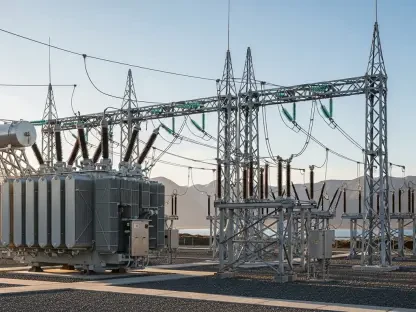
That “largest port” title is a signal of intent, and it’s absolutely crucial for the wider regional strategy. This plant isn’t a standalone project; it’s the anchor for the entire Wessex Partnership’s green energy ambitions. For the councils involved, this facility becomes a flagship, a tangible asset that proves the south coast is a serious player in the UK’s renewable energy supply chain. Its presence will act as a magnet, attracting a whole ecosystem of secondary businesses—component suppliers, maintenance firms, R&D labs—that will spread investment and jobs across the region. However, for this to succeed, other dominoes must fall. The regional electricity grid will need significant upgrades to handle the power generated by the wind farms this plant will serve. Transport links beyond the immediate port area will need improvement to support the new supply chain. And critically, there must be parallel investment in housing, schools, and healthcare to support the thousand-plus workers and their families who will be part of this new economic chapter.
What is your forecast for the future of offshore wind manufacturing on the UK’s south coast, should this project succeed?
If this project gets the green light and is delivered successfully, it will fundamentally reshape the economic landscape of the entire south coast. Its success would serve as an undeniable proof-of-concept, demonstrating that the region has the geography, the workforce potential, and the political will to support a world-class green manufacturing hub. This wouldn’t be a one-off. It would create a center of excellence, attracting further investment and sparking a chain reaction of development in related industries. We would likely see other ports along the coast vying for similar projects, creating a cluster of innovation and expertise. In the long run, the success of the Portland plant could mark the historic pivot of the south coast’s economy—from one reliant on tourism and a legacy of defense to a global leader in the green industrial revolution.