
The vibrant yellow fields that stretch across the horizon of the Ukrainian countryside are far more than just a picturesque backdrop for photography or a staple of agricultural trade statistics. As global oil prices flirt with the century mark per barrel, the economic viability of biofuels has reached a critical intersection. For years, the nation has operated as a massive raw material reservoir, sending its energy potential westward while remaining tethered to the volatility of international petroleum markets. This relationship highlights a missed opportunity to transform a golden crop into a shield against energy insecurity.
Beyond the Export Hub: The Untapped Power of Ukrainian Yellow Fields
The current global energy landscape has forced a re-evaluation of how agricultural giants utilize their natural resources. While Ukraine has solidified its reputation as a global powerhouse in rapeseed cultivation, it has largely functioned as a “commodity colony.” This means that the primary value of the harvest is extracted abroad, leaving the domestic market vulnerable to supply chain disruptions and price shocks. The reliance on exporting raw materials prevents the country from building a resilient energy buffer that could withstand external geopolitical pressures.
The transition to a more self-sufficient model is not just about environmental sustainability; it is a matter of strategic survival. By processing rapeseed into biodiesel at home, the nation could reduce its dependence on imported refined products. This shift would allow the agricultural sector to utilize its own outputs to power the machinery required for future harvests. Such a closed-loop system would transform the landscape from a simple source of export revenue into a cornerstone of national energy security.
From Global Commodity to Domestic Fuel Security
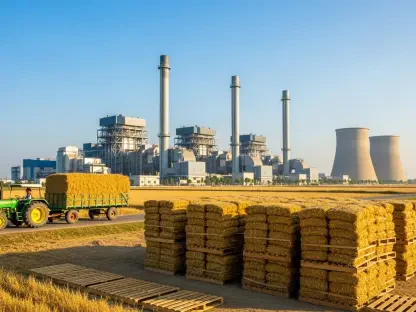
Ukraine boasts a sophisticated agricultural infrastructure with over one million hectares currently dedicated to rapeseed cultivation. These lands consistently produce yields that outperform neighboring regions, yet the economic fruits of this labor are often enjoyed elsewhere. Most of the harvest currently navigates its way toward the European Union, fueling the biodiesel engines of industrial giants like Germany and Poland. While this export model provides a steady stream of foreign currency, it ignores the pressing needs of the domestic farming sector, which consumes roughly one million tonnes of diesel annually.
Redirecting even a portion of this output toward domestic refining would provide a stabilizing force for the local economy. Instead of being subject to the whims of global oil markets, farmers would have access to a predictable and locally sourced fuel supply. This move would also stimulate the creation of a domestic processing industry, generating jobs and fostering technical expertise within the country. The current reliance on petroleum imports represents a significant drain on foreign exchange reserves that could be better utilized through internal investment.
The Structural Paradox of Ukraine’s Biofuel Industry
Transitioning from a raw exporter to a processed fuel producer requires overcoming a complex web of economic and legislative barriers. Local refining currently carries a higher price tag than traditional fossil fuels, making the switch a difficult financial pill for agricultural enterprises to swallow. Without a clear price advantage, the motivation to invest in biodiesel production remains low for individual farmers. Furthermore, the biodiesel sector lacks the mandatory blending targets that have successfully stabilized the bioethanol market in other regions.
There is also the persistent ethical and economic debate regarding the allocation of land for fuel versus food. While rapeseed is a lucrative energy crop, policymakers must ensure that its expansion does not come at the expense of essential food staples. This structural tension requires a balanced regulatory approach that encourages biofuel production without destabilizing domestic food prices. Without a coherent framework to address these paradoxes, the industry remains stuck in a cycle of potential rather than progress.
Expert Perspectives on Navigating the Energy Transition
Strategic leaders within the government suggest that the cultivation footprint could expand significantly if the right economic signals were sent to growers. Deputy Economy Minister Taras Vysochyi noted that increasing the land use to 1.5 million hectares is entirely feasible if high oil prices persist and domestic demand is fostered. However, industry experts like Georgiy Geletukha of the Bioenergy Association of Ukraine warned that a lack of a unified national program continues to stall long-term goals.
Infrastructure remains the primary bottleneck identified by those on the front lines of the energy transition. Experts agreed that while the raw material is abundant, the absence of high-capacity regional processing plants makes large-scale biodiesel adoption nearly impossible. They emphasized that the current spike in oil prices provides a perfect window for a pivot, but only if the government moves beyond agricultural statistics to address the physical reality of fuel production. Coordination between the energy and agricultural sectors is viewed as the only path forward.
Bridging the Gap: Agricultural Wealth and Energy Self-Sufficiency
To move toward true energy autonomy, the government shifted its focus toward creating a favorable environment for domestic biorefineries. Lawmakers introduced tax incentives and excise relief that narrowed the price gap between green energy and traditional petroleum products. This transition required the establishment of mandatory blending regulations to ensure a guaranteed market for local producers. These policy changes functioned as the catalyst for private investment in the processing sector, turning theoretical capacity into actual fuel production.
The development of modern regional processing plants ultimately reduced logistical costs and provided high-quality fuel directly to the rural heartlands. This strategy successfully shortened supply chains and empowered the agricultural sector to sustain itself with the very crops it harvested from its own soil. By prioritizing domestic processing over raw exportation, the nation established a blueprint for using its agricultural wealth to secure its energy future. The focus on local refining transformed the yellow fields into a permanent pillar of economic independence.