
A new energy corridor is taking shape between the Indian subcontinent and the heart of Europe, poised to redefine the global trade in renewable resources and accelerate industrial decarbonization. In a landmark move solidifying this connection, German energy giant Uniper Global Commodities SE has entered into a long-term binding offtake agreement with India’s AM Green Ammonia Private Limited. This pact is far more than a simple commercial transaction; it represents one of the first large-scale, cross-continental commitments to transport green molecules from a production hub in the Global South to a major industrial market. The agreement, which involves the supply of up to 500,000 tons of renewable ammonia annually, serves as a powerful testament to the shifting dynamics of global energy supply chains. As Europe aggressively pursues its climate goals and seeks to secure stable, non-fossil fuel energy sources, nations like India, with vast renewable potential and ambitious green energy policies, are emerging as indispensable partners in the global transition. This pioneering partnership could very well be the blueprint for how the world’s established industrial economies power their future.
A Landmark Transcontinental Partnership
The Specifics of the Deal
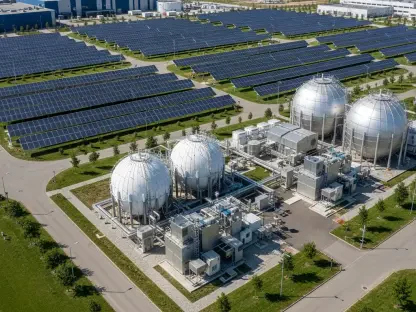
At the core of this transatlantic alliance is a meticulously structured agreement designed to meet Europe’s rigorous environmental standards while establishing a reliable supply chain. Uniper has committed to purchasing a substantial volume of renewable ammonia that is certified as a Renewable Fuel of Non-Biological Origin (RFNBO), a critical designation that ensures compliance with the European Union’s stringent criteria for green fuels. The first shipments under this agreement are slated to commence as early as 2028, originating from AM Green’s inaugural production facility, which is currently under construction in Kakinada, Andhra Pradesh. This state-of-the-art plant is designed with an initial capacity of one million tonnes per annum (MTPA), positioning it as a significant global production hub from its inception. The geopolitical weight of the agreement was underscored by its signing in the presence of high-level government officials from both India and Germany, signaling strong political backing and aligning the commercial venture with national strategic interests, particularly India’s ambitious National Hydrogen Mission.
Strategic Implications for Europe’s Energy Security
From the European perspective, this agreement is a cornerstone in the strategy to build a diversified and resilient energy portfolio for the future. By securing a large-scale, long-term supply of renewable molecules, Uniper is not only advancing its own green transition but also directly supporting the decarbonization of Europe’s most challenging industrial sectors. Green ammonia is celebrated for its versatility, serving as a carbon-free feedstock for the chemical and fertilizer industries, a stable carrier for transporting hydrogen to be used in refining, and a promising future fuel for the maritime shipping sector. This multifaceted utility makes it a linchpin in the effort to clean up “hard-to-abate” industries where electrification is not a viable option. Michael Lewis, Uniper’s CEO, has highlighted a crucial economic driver behind this strategy, noting that green ammonia offers among the lowest carbon dioxide avoidance costs relative to other green molecules. This makes the partnership not just an environmental imperative but also an economically sound pathway toward achieving net-zero emissions.
Forging a Path for Global Decarbonization
A Shared Vision for a Greener Future
The success of this ambitious project hinges on a shared vision between the supplier and the offtaker, rooted in technological innovation and strategic alignment. AM Green’s leadership has emphasized its unique competitive advantage: the ability to produce RFNBO-compliant ammonia by leveraging “firm and dispatchable clean electricity solutions.” This approach, which ensures a consistent and reliable power supply from renewable sources, is crucial for maintaining a low-carbon footprint throughout the production process and delivering a competitively priced product for the global market. This capability directly supports the core objectives of the Indian Prime Minister’s National Hydrogen Mission, which aims to establish India as a global hub for the production and export of green hydrogen and its derivatives. On the other side of the agreement, Uniper’s executives have stressed the importance of a collaborative approach, calling for supportive and stable regulatory frameworks in Europe, such as clear quotas for renewable fuels, to stimulate market demand and provide the certainty needed to accelerate investment in green technologies.
A New Blueprint Forged in Partnership
This monumental agreement was more than a contract; it was a foundational moment that established a new blueprint for global energy cooperation. By successfully linking India’s vast production potential with Europe’s pressing demand for clean energy, the partnership demonstrated a viable, scalable pathway for achieving meaningful industrial decarbonization. It provided a tangible example of how aligning international supply chains, adhering to rigorous environmental certifications like RFNBO, and fostering supportive market-side incentives could effectively bring competitive green energy solutions to the global stage. This collaboration did not merely facilitate a transaction but created a green energy corridor that fundamentally redefined the future of energy trade. The pact ultimately laid the groundwork for a new era of economic partnership, shifting the focus from traditional fossil fuels to the renewable molecules that will power the next generation of industry and solidifying a sustainable and mutually beneficial relationship between two of the world’s major economic regions.