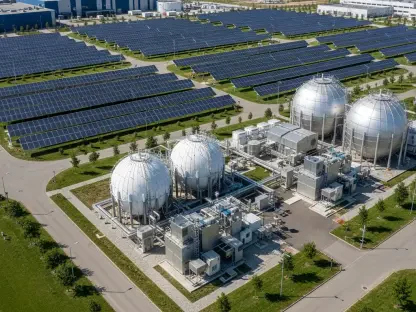

A quiet district in Uttar Pradesh is on the cusp of a monumental energy transformation, driven by a ₹1,200 crore investment in one of the world’s most promising clean fuels. The proposed green hydrogen plant in Lalitpur represents more than an industrial project; it is a strategic bet on a sustainable future, positioning a traditionally agrarian region as a potential leader in the new energy economy. This initiative, spearheaded by the Osiar Group, aims to leverage renewable resources to produce clean fuel, signaling a significant shift in regional development priorities.
What a ₹1,200 Crore Green Energy Investment Means for a District
An investment of ₹1,200 crore is a transformative figure for any district, promising to reshape its economic landscape. For Lalitpur, this capital infusion goes beyond mere financial metrics, acting as a catalyst for industrial modernization and sustainable growth. The project’s scale is designed to create a ripple effect, attracting ancillary industries, enhancing infrastructure, and establishing a skilled workforce trained in cutting-edge energy technologies. It represents a vote of confidence in the district’s potential to support large-scale, technologically advanced manufacturing.
This venture is fundamentally about building a self-sustaining economic ecosystem. By harnessing clean energy, the project not only addresses environmental concerns but also lays the groundwork for long-term energy independence and security. The ultimate goal is to generate prosperity that is both inclusive and durable, offering new pathways for economic advancement that align with global sustainability standards.
Lalitpurs Quiet Pivot Toward a Renewable Powerhouse
Lalitpur’s emergence as a candidate for a green hydrogen hub is not an isolated event but the culmination of a deliberate strategy. The district has already become an attractive destination for clean energy investment, with several large-scale solar power projects proposed for the region. This existing foundation in renewable energy generation provides the necessary infrastructure and expertise to support a more ambitious venture like green hydrogen production, which relies heavily on a consistent supply of clean electricity.
The green hydrogen initiative is, therefore, the next logical step in this evolution. It builds upon the district’s growing solar capacity to create higher-value energy products. By moving from simply generating renewable electricity to producing a transportable and storable clean fuel, Lalitpur is positioning itself to become a comprehensive energy hub, capable of powering not just its local economy but contributing to broader national energy goals.
The Anatomy of a Clean Energy Megaproject
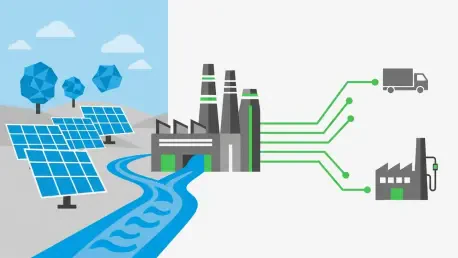
At the heart of the Osiar Group’s proposed plant lies a proven and pollution-free technology: electrolysis. This process uses electricity from renewable sources to split water molecules into hydrogen and oxygen, producing pure hydrogen without any carbon emissions. This “green” hydrogen can then be used as a clean fuel for transportation, industry, and power generation, offering a direct alternative to fossil fuels.
The project incorporates an innovative secondary process that further enhances its sustainability credentials. By capturing carbon dioxide, the plant will produce methanol, a versatile chemical traditionally made from coal. This circular approach not only creates an additional valuable product but also provides a sustainable manufacturing model that minimizes waste and environmental impact, setting a new standard for industrial production in the region.
Forging the Future Through Public-Private Partnership
The success of such a large-scale project hinges on a seamless partnership between the private sector and government agencies. The Osiar Group and the state government are working in close collaboration to navigate the logistical and regulatory challenges inherent in a venture of this magnitude. This cooperative framework is essential for streamlining approvals, securing resources, and ensuring the project aligns with regional development objectives from the outset.
A critical early hurdle is securing a reliable water source. The state has directed the irrigation department to allocate 0.013 TMC of water, with the Betwa river identified as a primary candidate. Simultaneously, the district administration is tasked with identifying and providing a suitable tract of land for the plant. These foundational steps demonstrate a coordinated effort to lay the groundwork efficiently, ensuring that all necessary resources are in place before construction begins.
From Blueprint to Reality The Path to Economic Payoff
With preliminary planning underway, the immediate next steps involve finalizing the water allocation and securing a definitive site for the facility. Once these logistical milestones are achieved, the project can move from the drawing board to active development, marking a tangible step toward realizing Lalitpur’s energy ambitions. This transition will be a critical phase, requiring continued coordination between all stakeholders to maintain momentum.
The anticipated payoff for the region is substantial. The plant is projected to be a significant economic engine, stimulating local commerce and attracting further investment in related industries. More importantly, it promises to create a wealth of employment opportunities, particularly for the youth of Lalitpur. This focus on local hiring is a key component of the project’s social contract, ensuring that the economic benefits are shared directly with the community it serves.
This ambitious endeavor, blending private investment with public support, stood as a blueprint for regional transformation. The planned green hydrogen facility represented a convergence of advanced technology, strategic economic planning, and a commitment to sustainable development. By moving forward with this project, Lalitpur took a decisive step toward redefining its future, not just as a center for agriculture, but as a modern hub for clean energy innovation.