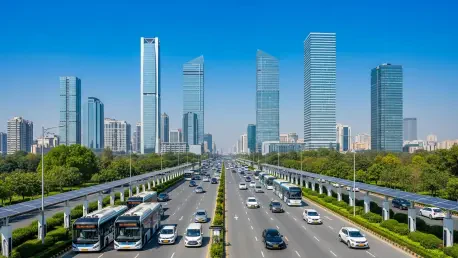

The suffocating blanket of smog that historically defined Delhi’s skyline is finally facing a formidable adversary as the city implements its most ambitious environmental overhaul to date. For decades, the arrival of winter signaled a public health emergency, yet the current “Air Pollution Mitigation Action Plan” seeks to replace these seasonal panics with a permanent state of atmospheric clarity. By pivoting away from the reactive “Band-Aid” solutions of the past, the government is betting on a systemic transformation that treats clean air as a fundamental right rather than a seasonal luxury.
A City Held Hostage: The Breathless Reality
Living in the capital has long meant navigating a landscape where the simple act of breathing carried the weight of a pack of cigarettes. This crisis was never just about discomfort; it was a socio-economic drain that strained the healthcare system and dampened the city’s economic vitality. Public outcry and mounting scientific evidence eventually forced a departure from the status quo, demanding a strategy that addressed the structural flaws of urban planning rather than just the symptoms of bad weather.
The Steep Cost: Why Reform Became Inevitable
Chief Minister Rekha Gupta’s administration recognized that the city reached a breaking point where the health of millions could no longer be traded for industrial or vehicular convenience. The shift toward the 2026 milestones reflects a broader understanding that environmental sustainability is the only viable foundation for future growth. By centering public health in economic policy, the city is attempting to shed its reputation as one of the world’s most polluted capitals and redefine itself as a model for urban resilience.
Decarbonizing the Commute: Clearing the Horizon
At the heart of this revolution is a radical transformation of how people and goods move through the city’s arteries. Starting this November, the city is enforcing a strict entry ban on high-emission goods vehicles, welcoming only those that adhere to BS-VI standards or utilize electric and CNG power. This is not merely a restriction but part of a massive infrastructure push that includes the installation of 32,000 EV charging points and the expansion of the electric bus fleet to over 13,000 units within the next few years.
Data-Driven Enforcement: The New Standard
To prevent the new regulations from becoming mere suggestions, a digital “No PUC, No Fuel” system now automates compliance across every refueling station in the region. This technological shield is complemented by “Vayu Rakshak” teams who operate at the ward level to catch localized violations that traditional monitoring often missed. By integrating real-time emission tracking across eleven priority industrial sectors, authorities have moved toward a surgical approach to pollution management that relies on hard data rather than guesswork.
Urban Resilience: A Roadmap for Participation
Beyond heavy machinery and digital sensors, the plan focuses on reshaping the daily habits of the urban workforce through flexible labor policies. Staggered office hours and remote work mandates at sixty-two critical traffic junctions have already begun to ease the gridlock that previously spiked nitrogen dioxide levels. As three thousand kilometers of road stretches are redeveloped with green buffers, the city is slowly being knit back together into a breathable space where private vehicle use becomes an option of the last resort.
The initiative successfully bridged the gap between policy and the daily lives of residents by making sustainability a convenient choice. This comprehensive strategy shifted the burden of change from the individual to the system, ensuring that the infrastructure supported the collective goal of a cleaner sky. By integrating technological oversight with physical greening, the administration established a blueprint that prioritized long-term survival over short-term political gains. Moving forward, the focus remained on scaling these localized successes to ensure the entire National Capital Region maintained this hard-won clarity.