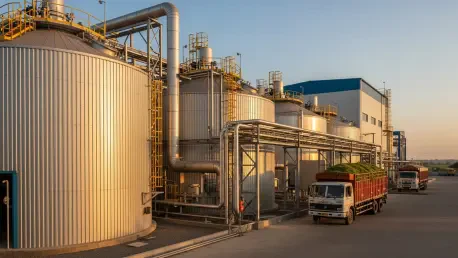

Turning Waste Into Power: India’s Strategic Shift Toward Biogas
The sheer scale of India’s reliance on foreign fuel creates a precarious balance between maintaining rapid economic momentum and enduring the volatile shifts of global energy markets. With approximately 60% of its liquefied petroleum gas (LPG) arriving from overseas, the nation finds its domestic stability tethered to the security of distant maritime chokepoints. This vulnerability has catalyzed a fundamental search for homegrown alternatives that can decouple growth from geopolitical risk. Organic waste, once viewed merely as a sanitation burden, is now the cornerstone of a new energy paradigm designed to convert liabilities into strategic assets.
From Dependence to Domestic Resilience: The Historical Context of India’s Energy Needs
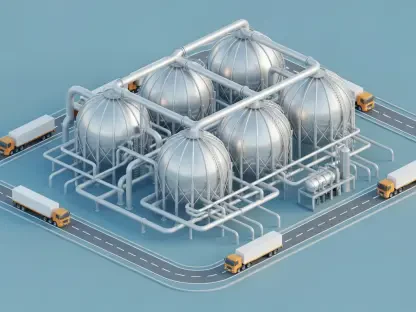
Historically, the pursuit of energy sovereignty in the region was hindered by a fragmented approach to renewable resources and an infrastructure heavily weighted toward fossil fuels. While rural communities have utilized basic digesters for decades, these systems rarely scaled to meet the demands of a modernizing industrial economy. The shift currently underway marks a transition from localized “gobar gas” initiatives to high-capacity Compressed Biogas (CBG) facilities. This maturation reflects a broader understanding that energy security is inextricably linked to the ability to process domestic feedstock, such as agricultural residue and cattle manure, into high-grade fuel.
Navigating the Critical Intersections of Energy and Environment
The Geopolitical Necessity of Reducing Import Dependency
Current market dynamics show that over half of the national LPG consumption is sourced through external trade, making the economy sensitive to price spikes triggered by regional conflicts in West Asia. By aggressively scaling biogas production, the nation can establish a buffer against these global shocks. Refining biogas into CBG provides a direct substitute for traditional transport fuels and industrial heating sources. This transition keeps capital within the country, strengthening the fiscal position by reducing the massive outlays required for energy subsidies and imports from far-flung markets.
Bridging the Gap Between Waste Management and Clean Fuel
Urban centers are facing a mounting crisis as municipal solid waste volumes threaten to overwhelm existing infrastructure. For instance, in regions like Karnataka, millions of tonnes of waste are generated annually, often destined for landfills that leak methane and contaminate local water tables. Biogas technology offers a circular solution by diverting organic matter from these sites and transforming it into energy. This dual-purpose strategy effectively cleans up the urban landscape while providing a reliable, low-carbon fuel source for local consumption.
Overcoming the Structural and Financial Barriers to Scale
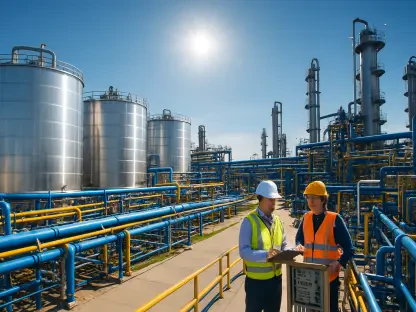
Realizing the full potential of this sector requires addressing significant bottlenecks that have historically slowed private investment. Fragmentation in the supply chain for feedstock and the high upfront costs of industrial-scale plants remain primary obstacles. However, the emergence of dedicated regional policies is beginning to streamline regulatory approvals and foster better collaboration between government agencies. Bridging these financial and logistical gaps is essential for moving biogas from a niche environmental project to a central pillar of the national energy grid.
The Evolution of India’s Energy Grid: Emerging Trends and Innovations
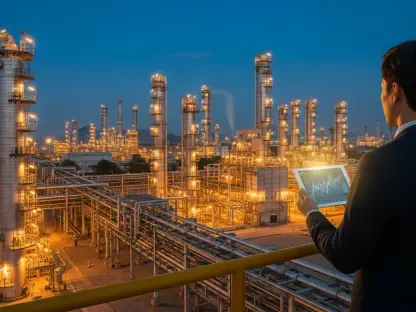
The integration of digital logistics into waste collection is revolutionizing the efficiency of biogas feedstock management. Decentralized processing units are now becoming more common, significantly lowering the carbon footprint associated with transporting heavy organic materials. Furthermore, the push to inject treated biogas directly into existing natural gas pipelines represents a major technological milestone. As carbon credit frameworks become more robust, biogas ventures are expected to attract diverse capital, leading to a widespread network of Bio-CNG stations that could fundamentally alter the transport sector’s fuel mix.
Strategic Recommendations for a Sustainable Transition
Achieving a resilient energy future demands a coordinated effort to standardize the biogas value chain. Policymakers should prioritize long-term price guarantees for producers to ensure market stability and encourage large-scale infrastructure projects. Businesses have a unique opportunity to invest in sophisticated waste segregation technologies that enhance the quality of feedstock. At the local level, municipalities must improve organic waste collection protocols, recognizing that the efficiency of energy production begins at the household level through disciplined waste management practices.
Redefining India’s Path to Energy Sovereignty
The transition toward a biogas-centric model proved to be a decisive step in addressing the chronic challenges of energy insecurity and environmental degradation. Stakeholders recognized that true resilience required a move away from external dependencies toward a system that valued domestic resources. The integration of advanced waste-to-energy technologies allowed the country to stabilize its fiscal outlook while simultaneously modernizing its waste management systems. Ultimately, the focus shifted to ensuring that the nascent biogas infrastructure received the necessary technical and financial support to remain a permanent feature of the national power landscape.