
As the European Union navigates the complex path toward decarbonization, a significant policy battle is unfolding over the future of first-generation (1G) biofuels, which are derived from food crops. Proposed European Commission regulations aim to exclude these established biofuels from the bloc’s emission standards for light-duty vehicles, effectively sidelining a mature industry in favor of other technologies. In response, the European Biodiesel Board (EBB) has mounted a robust defense, publishing a detailed position paper that challenges the very foundation of the anti-biodiesel sentiment. The organization argues that the prevailing narrative, particularly the contentious “food vs. fuel” debate, is based on critical misconceptions that overlook the sector’s contributions to Europe’s energy security, agricultural stability, and strategic independence. This clash of perspectives places policymakers at a crucial crossroads, forcing a re-evaluation of whether 1G biodiesel is a climate liability or a vital, misunderstood asset.
Debunking the Food Versus Fuel Myth
Central to the European Biodiesel Board’s argument is the assertion that the “food vs. fuel” dichotomy represents a false choice, a misconception that has disproportionately influenced policy. The organization’s position paper directly confronts this criticism, citing a European Commission report which concluded there was “no correlation… between food prices and biofuel demand.” This finding challenges the narrative that using crops for fuel directly inflates food costs for consumers. Further bolstering this point, the EBB highlights that in 2020, a mere 3% of the European Union’s total cropland was dedicated to biofuel production, a figure that suggests the industry’s land-use footprint is far smaller than often portrayed. Rather than viewing agriculture as a zero-sum game where one sector’s gain is another’s loss, the EBB reframes the relationship as a complementary system. In this model, biofuel production is not a drain on food resources but an integrated part of a larger agricultural value chain that enhances overall output and resource efficiency.
A Strategic Asset for European Autonomy
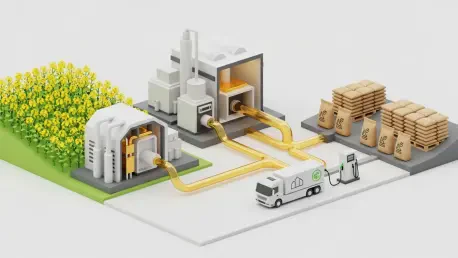
The strategic importance of first-generation biodiesel was underscored by its role in bolstering Europe’s self-sufficiency through the generation of high-value co-products. The production process yielded not only fuel but also essential, protein-rich animal feed, a critical commodity for the continent’s livestock industry. This was particularly significant given the EU’s heavy reliance on imports for these materials, with domestic production meeting only 27% of its total needs. By converting crops into both fuel and feed, the 1G biodiesel industry actively reduced this dependency, strengthening the EU’s circular economy and contributing to its industrial competitiveness. Furthermore, it was presented as one of the most cost-effective and readily available solutions for decarbonizing the transport sector, offering an average of 65.2% in greenhouse gas savings compared to fossil fuels. The EBB ultimately lamented that despite these benefits, existing and proposed legislation unfairly limited, capped, and even banned this proven, European-produced technology, a move it argued weakened the EU’s climate progress and energy security.