
As the digital backbone of the global economy, data centers are consuming electricity at an unprecedented and rapidly accelerating rate, posing a significant challenge to environmental sustainability goals. In the European Union alone, the electricity demand from these facilities is projected to surge by 50%, climbing from nearly 100 terawatt-hours in 2022 to an estimated 150 by 2026. This immense appetite for power is driving a critical search for reliable, green energy alternatives that can support 24/7 operations without interruption. A comprehensive analysis published in the journal Energies reveals that biomass energy is emerging as a uniquely effective solution, offering a strategic pathway for the digital infrastructure sector to manage its substantial environmental footprint while meeting these escalating power requirements through a stable and sustainable source.
A Stable Foundation for Continuous Operation
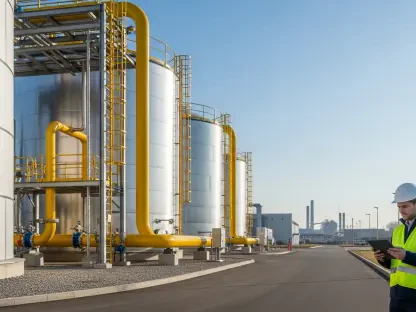
In an industry where uptime is paramount, the primary advantage of biomass energy lies in its unparalleled reliability compared to other renewable sources. Unlike solar and wind power, which are inherently intermittent and dependent on variable weather conditions, biomass systems can provide a constant, dispatchable supply of electricity and heat. This is a non-negotiable requirement for data centers that must operate continuously without any risk of power failure. Biogas systems, often powered by fuel cells connected to sources like agricultural refuse and municipal wastewater treatment plants, create a steady stream of energy. This approach introduces a powerful dual benefit: it generates clean power for critical digital infrastructure while simultaneously offering an effective and productive waste management solution for nearby communities. By converting organic waste into a valuable energy asset, this model establishes a symbiotic relationship between the data center and its local environment, transforming a potential liability into a cornerstone of sustainable operations.
The Synergy of Integrated and Circular Systems
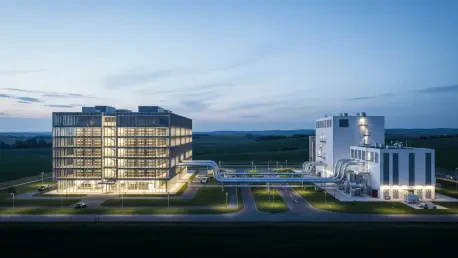
The most innovative applications of biomass extend beyond simple power generation and into the creation of synergistic, circular energy models that drastically improve overall efficiency. Data centers are notoriously inefficient, converting nearly all the electricity they consume into waste heat that is typically vented into the atmosphere. However, by integrating biomass systems, this thermal energy can be captured and repurposed in a highly effective loop. For example, waste heat from servers can be used to power absorption chillers, a type of cooling system that itself runs on heat, thus significantly reducing the electricity needed for temperature regulation. The planned green data center in Michałowo, Poland, exemplifies this principle, designed to operate entirely on renewable energy sourced from adjacent biogas and solar installations. This design transforms the data center from a passive, high-volume energy consumer into an active, integrated component of the local energy and waste management system, proving that sustainability can be woven directly into the operational fabric of the facility.
Redefining Sustainable Infrastructure Design
The study’s findings culminated in a strong call for the industry to adopt a more holistic and dynamic approach to sustainability. It was argued that for data centers to become truly green, renewable energy sources like biomass must be treated as a core design element from a project’s inception, not as an optional add-on. The analysis also highlighted the often-overlooked role of “green infrastructure”—features like on-site vegetation, green roofs, and landscaped areas. In an integrated model, these elements do more than support biodiversity; they can regulate the local microclimate, reduce cooling loads, and even produce additional biomass for energy generation. The research advocated for a crucial shift away from static sustainability targets and toward a dynamic framework based on the continuous measurement and optimization of key performance indicators like emissions, water consumption, and energy performance. This new paradigm urged for more real-world research into the performance of biomass-based systems and the deeper integration of nature-based solutions within these highly technical environments.