
As societies grapple with the twin challenges of managing ever-growing mountains of waste and satisfying an insatiable demand for energy, two compelling solutions have emerged from the margins to take center stage. Biomass energy and waste-to-energy (WTE) both promise to convert discarded materials into valuable power, offering a path away from traditional fossil fuels. Though often discussed in the same breath, they represent distinct approaches with unique feedstocks, technologies, and economic models.
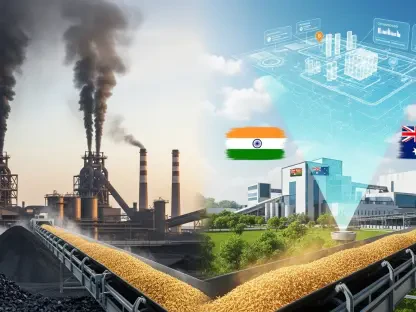
Biomass energy harnesses the power stored in organic matter, such as agricultural residues, forestry waste, and dedicated energy crops, converting it into electricity and heat. It is rooted in the natural carbon cycle, positioning it as a renewable resource. In contrast, waste-to-energy focuses on incinerating municipal solid waste (MSW) that would otherwise occupy landfills. Its dual purpose is both energy generation and effective waste management, making it a critical tool for urban environmental strategy. Understanding their core differences is essential for policymakers and investors navigating the sustainable energy landscape.
Key Differentiators: A Comparative Breakdown
Feedstock Sourcing and Composition
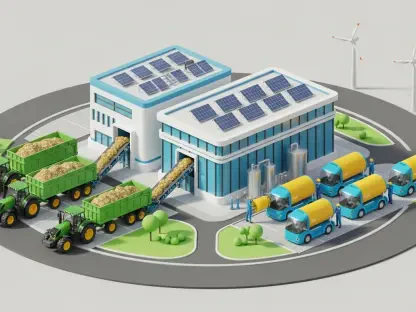
The fundamental divergence between these two energy sources begins with what they consume. Biomass facilities rely on a relatively homogenous and predictable feedstock of organic origin. This includes materials like sugarcane bagasse and other agricultural byproducts, which have a defined energy content and composition. However, this sourcing comes at a cost, with recent regulatory proposals in Bihar setting the price for biomass fuel at ₹4,472.72 per tonne, reflecting the logistics of harvesting, collection, and transportation.
Waste-to-energy, conversely, processes a highly heterogeneous mixture of post-consumer materials found in municipal solid waste. This feedstock can range from plastics and paper to food scraps and other non-recyclables. A key advantage here is the cost of sourcing; MSW is often considered a zero-cost input, as municipalities may even pay “tipping fees” for its disposal. Processed refuse-derived fuel (RDF) has a cost, benchmarked at ₹2,620.49 per tonne, but it remains significantly cheaper than biomass, highlighting a core economic distinction.
Conversion Technologies and Operational Efficiency
The nature of the feedstock directly influences the technology used for energy conversion and the resulting operational performance. Biomass plants can employ a variety of mature technologies, including direct combustion, gasification, and cogeneration. These systems benefit from the consistent quality of their fuel, allowing for high operational efficiency. For instance, proposed plant load factors (PLFs) for biomass gasifier projects are set as high as 85%, with standard biomass projects at 80%, indicating a capacity for steady, reliable power generation.
Waste-to-energy plants typically use mass-burn incineration, often with a Rankine cycle to generate electricity. The inconsistent and varied nature of MSW presents significant operational challenges, potentially leading to lower efficiency and requiring more robust and expensive maintenance schedules to handle corrosive elements and non-combustibles. While RDF projects offer a more stable fuel source, the inherent variability of raw municipal waste means WTE facilities must be engineered for resilience rather than peak efficiency, a trade-off reflected in their overall design and output.
Economic Viability and Financial Models
The financial frameworks supporting each technology are tailored to their unique operational realities. For biomass energy, where fuel constitutes a major operational expense, economic viability hinges on favorable power tariffs. Recent proposals reflect this, with rates reaching ₹9.49 per unit for gasifier projects and ₹8.47 for non-bagasse cogeneration. To attract investment, regulators have also outlined attractive financial parameters, including a 16.96% post-tax return on equity and a benchmark loan interest rate of 10.80%, signaling a strategy to offset high input costs with strong returns.
The economic model for waste-to-energy is fundamentally different, balancing energy revenue with its role in waste management. The lower tariffs for some WTE projects, such as ₹6.46 per unit for those using MSW, are viable because the facility also solves a costly disposal problem for local governments. Projects using processed RDF command a higher tariff of ₹9.22 per unit, acknowledging the expense of pre-treating the waste. This dual-stream value proposition makes WTE an integrated urban utility rather than purely an energy producer.
Challenges and Environmental Considerations
Despite their benefits, both pathways face significant hurdles and environmental scrutiny. The primary challenge for biomass energy is the sustainability of its feedstock supply. Ensuring that fuel is sourced from genuine waste streams or sustainably managed energy crops is crucial to avoid competing with food production or contributing to deforestation. Furthermore, the logistics of transporting bulky organic material from scattered sources to a central plant can create a substantial carbon footprint, partially offsetting its renewable credentials.
For waste-to-energy, the main concern has long been air pollution. While modern facilities employ advanced flue gas treatment systems to capture harmful pollutants like dioxins and heavy metals, public perception often remains skeptical. There is also an ongoing debate about whether WTE disincentivizes more sustainable waste management practices, such as reduction and recycling, by creating a constant demand for combustible waste. Striking a balance where WTE complements, rather than competes with, a circular economy remains a key policy challenge.
Conclusion: Choosing the Right Path Forward
The comparative analysis revealed that biomass energy and waste-to-energy, while both converting waste into power, followed fundamentally different operational and economic logics. The choice between them was not a matter of inherent superiority but of strategic alignment with local conditions and policy objectives. Biomass energy presented a strong case in regions with abundant and sustainable agricultural or forestry residues, where its higher operational efficiency and predictable output could contribute reliably to the energy grid, supported by robust financial incentives.
In contrast, waste-to-energy proved to be an indispensable tool for densely populated urban centers struggling with landfill scarcity. Its primary value was its dual function as a waste management solution and a power source, making its economic model viable even with technologically complex and less efficient processes. Ultimately, the decision depended on whether the primary goal was to monetize a specific organic waste stream or to address the broader challenge of municipal waste disposal while generating electricity as a valuable byproduct.