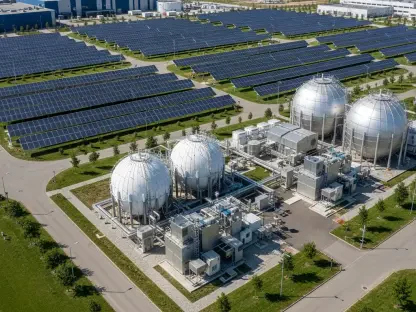
In Shenzhen’s humming hardware capital, four climate tech upstarts turned a pitch contest into a proof-of-scale moment for industry, edging prototypes into pilots with money, partners, and measured plans. The Green Future Innovation Challenge crowned winners who shared 5 million yuan, but the more telling prize was access: to steel plants, grid operators, and flight pathways where emissions are hardest to cut.
Why this jolt matters now
The nut of the story is speed. From more than 1,000 entries spanning over 70 countries, the finals elevated ideas that move quickly from lab benches to bankable deployments. That shift—away from slide decks and toward certifiable, finance-ready assets—set a new bar for climate contests.
Moreover, the choices tracked where abatement is most constrained. Aviation, heavy industry, batteries, and long-duration storage represent sectors where retrofits, drop-in fuels, and durable, low-cost chemistries can change the curve this year, not after long infrastructure overhauls.
Inside the platform and its stakes
Co-hosted by Vertex Ventures China and Temasek Foundation, the challenge leaned on China–Singapore collaboration to unlock supply chains and sit-downs with incumbents. “Cross-border, cross-sector partnerships shorten the path from lab to market,” said Singapore’s Sim Ann, underscoring why finalists met customers as often as judges.
Shenzhen added more than optics. Proximity to advanced manufacturing and gigawatt-scale suppliers meant winners could iterate hardware fast, cut procurement delays, and pilot inside real factories—advantages that often determine whether a climate tool scales or stalls.
Four pathways that rewired the conversation
Feynman Dynamics took the top slot with a large-scale electrochemical route to sustainable aviation fuel, claiming more than 90% lifecycle cuts versus conventional jet fuel. With aviation’s limited near-term options, a drop-in fuel that clears certification while securing low-carbon power and airline offtakes could move volumes early.
ROTBOOST, partnering with Baowu, advanced methane thermal catalytic decomposition for steel and aluminum. The pilot signaled intent where process emissions resist easy fixes, though the hard questions—catalyst life, carbon byproduct markets, retrofit costs, and methane leakage control—will decide endurance.
Daotong New Energy aimed squarely at a blind spot: full recycling of retired LFP batteries. Recovering high-value materials from packs often labeled low-recovery tightened circularity and steadied domestic supply, provided collection logistics, yield rates, and permitting align with market prices for virgin inputs.
ZH Energy’s iron–sulfur batteries offered a safer, more affordable path for grid-scale storage, reducing reliance on vanadium and lithium. Utility-grade procurement will hinge on cycle life, round-trip efficiency, manufacturing scale-up, and standardized testing that proves performance across climates.
Signals that tempered the hype
Evidence arrived in the form of pilots with incumbents, early certification road maps, and recovery yields that beat lab records. Offtake intent, grid interconnection steps, and data-sharing agreements suggested winners were planning around bankability, not only breakthroughs.
Context supported the selection. Heavy industry and aviation remain outsized emitters, and the technologies elevated here align with retrofit-friendly deployment. As one judge put it, “Credibility is earned in kilns, tanks, and substations, not slides.”
What must happen next
Turning momentum into measurable impact required disciplined scale-up. Teams needed to prove unit economics early, secure milestone-based pilots, and build certification in parallel—SAF approvals, grid safety standards, and recycling permits. Investors had to finance the messy middle from TRL 6 to 9 with blended capital, tying funds to third-party MRV on emissions, safety, and yields. Corporates could lock in demand with offtakes and open plant gates for first deployments, while policymakers would harmonize standards and reward verified abatement. If progress held, the winners’ learning rates, capex per abated ton, and uptime would tell the story better than any podium ever did.