
Amid the cacophony of India’s bustling city streets, a quiet revolution is underway, powered not by gasoline but by electricity, promising a future of cleaner air and sustainable growth. This shift toward electric mobility is rapidly gaining momentum, raising a critical question for the nation’s trajectory. As India navigates the dual challenges of rapid urbanization and pressing environmental concerns, the push for electric vehicles (EVs) stands at a crossroads. Is this national drive a genuine turning point in the country’s development, or is it merely a fleeting trend?
Beyond the Buzz What’s Really Driving India’s Electric Dream
The adoption of electric vehicles is more than a response to a global trend; it is a strategic maneuver aimed at tackling some of the nation’s most significant long-term challenges. As urban centers expand, so do issues like air pollution and traffic congestion, making sustainable transportation a critical necessity. EVs present a compelling solution, offering a pathway to decouple economic growth from environmental degradation. The central inquiry, therefore, is whether the current momentum has the foundational support to transform India’s transportation landscape permanently.
The National Imperative Why India is Betting Big on EVs
The push for electric mobility is deeply intertwined with India’s broader national objectives. Key among these are the goals of reducing the country’s substantial oil import bill, enhancing energy independence, and meeting its commitments to lower carbon emissions. This vision has been consistently championed by Prime Minister Narendra Modi, whose emphasis on environmental stewardship and clean energy has positioned the EV sector as a pillar of national policy. The government’s investment in this technology is not just about cleaner cars but about securing a more resilient and self-sufficient economic future.
The Three Pillars of Progress More Than Just Clean Air
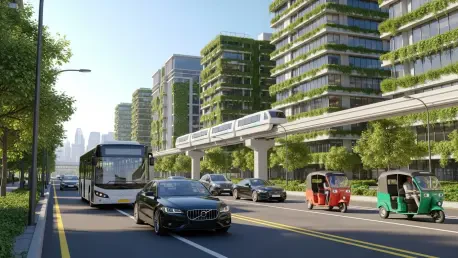
The benefits of the EV transition extend far beyond environmental gains, resting on three interconnected pillars. Economically, the industry is fostering a new wave of innovation and entrepreneurship, creating jobs and empowering domestic manufacturers to achieve international standards in clean mobility technology. Environmentally, EVs are a cornerstone of India’s strategy to build a cleaner energy future and contribute meaningfully to the global fight against climate change. Socially, the impact is already visible on the ground. The proliferation of e-rickshaws and electric ambulances demonstrates how this technology is being integrated into daily life and commercial transport, improving accessibility and public services.
A View from the Top Minister Jitendra Singh on India’s EV Blueprint
The government’s strategic vision for the sector was recently articulated by Union Minister Jitendra Singh. Following a visit to an EV Expo, he highlighted the growing confidence and technical capability within India’s industrial sector, noting that domestic companies are now producing EV products that rival global competitors. Singh framed this progress within a comprehensive clean energy strategy, referencing related initiatives like the SHANTI Bill, which promotes private sector participation in nuclear energy, to illustrate a cohesive governmental approach. He emphasized that India is not simply adopting a global trend but is actively shaping the future of sustainable transport.
Fueling the Future Pathways to Realizing India’s EV Potential
To fully realize this potential, a concerted effort is needed to accelerate the transition. Based on the minister’s call for greater action, a key pathway involves raising awareness among young people about the vast opportunities for innovation and self-reliance within the EV ecosystem. Informing the next generation about careers in design, manufacturing, and software development is critical for building a skilled workforce. Furthermore, continued government support remains essential in helping young entrepreneurs establish and scale their EV-related ventures, transforming creative ideas into commercially viable enterprises that will power the nation forward.
The journey toward an electrified transportation system was recognized as a multifaceted national project with profound implications. Its success depended not only on technological advancement but also on strategic policy, public awareness, and the entrepreneurial spirit of its people. Ultimately, the move to electric vehicles represented a pivotal step in India’s pursuit of a sustainable, prosperous, and self-reliant future.