
Navigating a Dual Mandate: Africa’s Unique Energy Crossroads
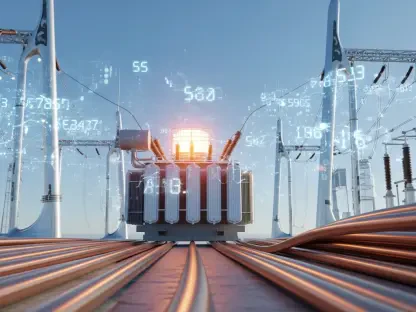
As the global community accelerates its push toward decarbonization, Africa stands at a unique and complex crossroads. The continent faces a dual mandate: the urgent need to expand energy access to hundreds of millions of people and power industrial growth, while simultaneously aligning with global climate goals. This delicate balancing act is no longer a theoretical debate but a practical challenge shaping policy, investment, and infrastructure development across the continent. The upcoming Invest in African Energy (IAE) 2026 forum in Paris is set to tackle this issue head-on, with its panel “The Dual Mandate: Navigating Growth and Decarbonization in an Integrated Energy Sector” serving as a critical platform. This article explores the multifaceted strategy emerging from this dialogue, which champions an integrated approach where renewable expansion, responsible hydrocarbon management, and technological innovation converge to create a sustainable and prosperous energy future.
From Energy Poverty to a Pragmatic Transition: The Historical Context
For decades, Africa’s primary energy challenge has been one of scarcity, not sustainability. With over 600 million people lacking access to electricity, the historical imperative has been to build capacity and fuel economic development by any means available. This context is crucial for understanding why a one-size-fits-all energy transition model, often prescribed by developed nations, is ill-suited for the continent. The narrative cannot simply be about shutting down fossil fuels; it must be about building a diversified, reliable, and affordable energy system from the ground up. This legacy of energy poverty means that oil and gas are not just commodities but foundational pillars for industrialization, job creation, and improved living standards. Therefore, the current conversation is less about an abrupt shift and more about a pragmatic, managed transition that leverages all available resources to meet rising power needs.
Crafting a Multifaceted Energy Strategy for Sustainable Growth
Harnessing Renewables: Scaling Solar and Wind Across the Continent
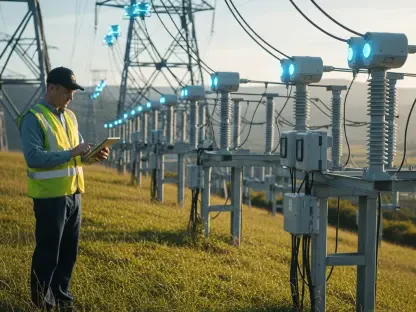
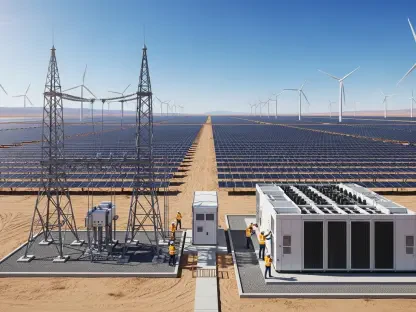
A central pillar of Africa’s energy strategy is the aggressive scale-up of low-carbon power generation. The continent’s vast solar and wind potential presents a clear pathway to electrify communities and power industries sustainably. Trailblazing projects serve as powerful models for this transition. South Africa’s Renewable Independent Power Producer Procurement Programme has successfully driven private investment into the sector, while Morocco’s Noor Ouarzazate Solar Complex, one of the world’s largest concentrated solar power plants, showcases the continent’s capacity for mega-projects. However, a significant challenge remains in replicating these successes in markets with limited or nonexistent grid infrastructure. The key moving forward will be to develop decentralized solutions like mini-grids and hybrid systems that can bring clean power to rural and remote areas, bridging the energy access gap while building a resilient, modern power network.
The Enduring Role of Hydrocarbons: A Strategy of Responsible Management
While renewables are expanding rapidly, the consensus view is that oil and gas will remain indispensable to Africa’s energy mix and industrial ambitions for the foreseeable future. The strategic focus is therefore shifting from divestment to responsible management aimed at mitigating emissions. This approach acknowledges that natural gas, in particular, is a critical transition fuel that can provide reliable baseload power to support intermittent renewables and fuel industries. Innovative policies are already taking shape, such as Nigeria’s Gas Flare Commercialization Program, which captures and converts wasted gas into valuable electricity. Furthermore, major producers like Nigeria, Angola, and Ghana are increasingly adopting advanced methane leak monitoring and exploring CO₂ capture technologies. These measures demonstrate a commitment to extending the life of valuable assets and maintaining investor confidence by proving that hydrocarbon development can align with a gradual and pragmatic energy transition.
Beyond the Grid: Advanced Technologies for Industrial Decarbonization
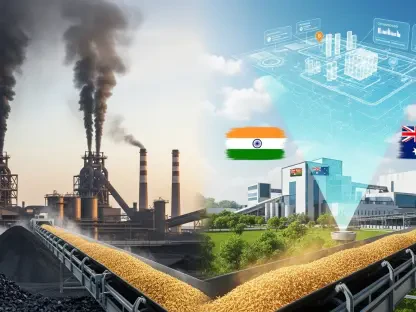
Looking beyond electricity generation, Africa is positioning itself to leapfrog to the forefront of advanced decarbonization technologies for heavy industry. This forward-looking approach recognizes that a sustainable energy portfolio requires solutions for hard-to-abate sectors like manufacturing, mining, and transportation. Green hydrogen is emerging as a particularly promising pathway, with projects in Morocco and Namibia leading the way. Morocco is leveraging its renewable resources to develop green hydrogen for producing green steel and sustainable aviation fuels, while Namibia’s HyIron Oshivela facility uses solar power to create zero-emission hydrogen for low-carbon iron production. These initiatives, alongside advancements in carbon capture and storage (CCS) and bioenergy, are not just environmental solutions; they are economic opportunities to create new, high-value export industries and secure a competitive edge in the global green economy.
The Future of African Energy: An Integrated, Investment-Driven Approach
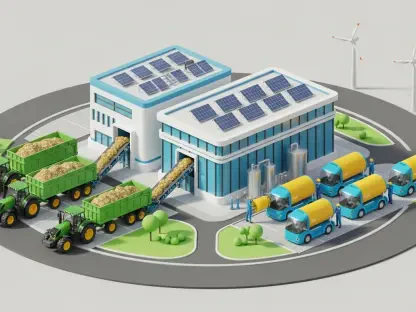
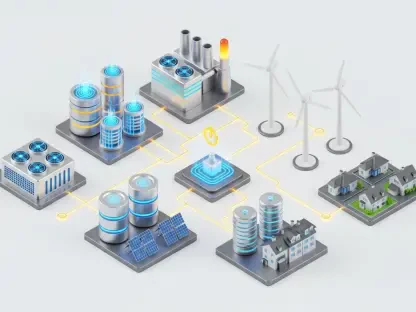
The future of Africa’s energy sector lies in integration, not polarization. The emerging trend is a move away from the binary choice between fossil fuels and renewables toward a holistic model where integrated energy companies manage a diverse portfolio. This approach creates compelling, commercially viable investment opportunities that satisfy both financial return targets and global Environmental, Social, and Governance (ESG) mandates. Future investments will likely favor projects that combine renewable generation with gas-fired backup power, integrate CCS into hydrocarbon operations, or use clean energy to produce green hydrogen. This shift requires innovative financing mechanisms and policies that reward companies for achieving the dual goals of energy growth and emissions reduction, ultimately fostering a resilient and sustainable industrial base across the continent.
A Strategic Blueprint for Action: Key Takeaways and Recommendations
For stakeholders navigating this complex landscape, the path forward requires a clear, three-pronged strategy. First, policymakers and investors must accelerate the deployment of renewables by de-risking projects and creating stable regulatory frameworks, particularly for decentralized energy systems. Second, a pragmatic approach to hydrocarbons is essential; this involves prioritizing natural gas as a transition fuel and mandating the use of best-in-class technologies to minimize methane emissions and flaring. Finally, strategic public and private investment must be channeled into pioneering technologies like green hydrogen and CCS to build the industrial ecosystems of the future. By pursuing these pillars in parallel, African nations can attract capital, build resilient infrastructure, and ensure that their energy development meets both national needs and global climate commitments.
Forging a New Path: Africa’s Pragmatic and Prosperous Energy Future
Ultimately, Africa’s journey is not about choosing between growth and environmental stewardship but about skillfully integrating both. The discussions at the IAE 2026 forum and beyond will crystallize a uniquely African narrative for the energy transition—one that is pragmatic, inclusive, and tailored to the continent’s specific developmental realities. By strategically combining the rapid expansion of renewables, the responsible management of its hydrocarbon endowment, and the deployment of next-generation technologies, Africa has the opportunity to define its own sustainable path forward. This integrated vision offers a powerful blueprint for achieving universal energy access, driving industrialization, and creating a prosperous, low-carbon future for all its people.