
A New Strategy for New Jersey’s Soaring Energy Costs
In response to staggering rate hikes and growing concerns over grid stability, New Jersey is exploring a novel solution: virtual power plants. As residents grapple with energy bills that have climbed by as much as 20%, state regulators are directing major utilities to investigate how a network of decentralized energy resources could alleviate the pressure. This article delves into what VPPs are, why New Jersey is turning to them now, and whether this innovative approach can truly deliver on its promise to lower costs for consumers. The analysis will examine the specific directives from the Board of Public Utilities, the underlying grid challenges driving this shift, and the potential for VPPs to reshape the state’s energy future.
The Perfect Storm: Why New Jersey’s Grid Is at a Crossroads
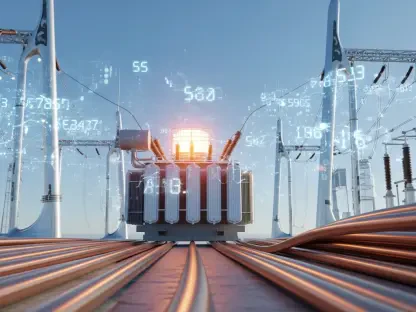
The recent push for VPPs did not emerge in a vacuum, but rather as a direct reaction to a convergence of economic and infrastructural pressures. For years, New Jersey has relied heavily on importing electricity from the PJM Interconnection, the regional grid operator, leaving the state highly susceptible to market price volatility. This vulnerability came to a head recently, prompting the governor to sign two executive orders aimed squarely at providing relief. This initiative represents a fundamental shift in strategy—moving away from a sole reliance on large, distant power plants and toward harnessing local, distributed energy resources to build a more resilient and cost-effective system from within.
Unpacking the VPP Model and Its Potential Impact
What Exactly Is a Virtual Power Plant
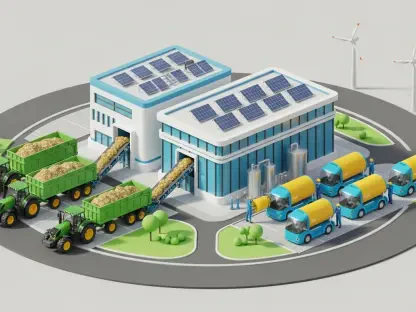
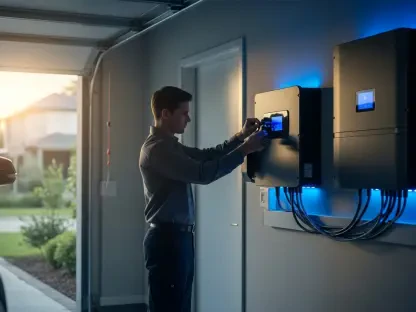
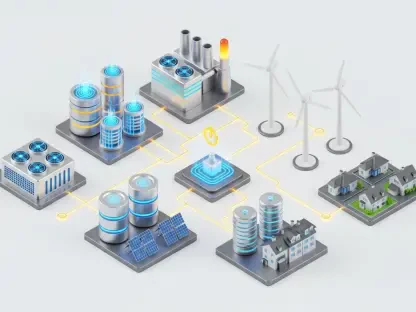
A virtual power plant is not a physical structure but a cloud-based network that aggregates the capacity of numerous distributed energy resources, such as residential solar panels, home battery storage, and smart thermostats. By intelligently coordinating these scattered assets, a VPP can operate like a single, dispatchable power plant. When the grid is stressed—for instance, during a summer heatwave—the VPP can collectively reduce demand or inject stored power, providing critical grid services without firing up an expensive and often fossil-fueled “peaker” plant. The primary benefit is its ability to enhance grid reliability and defer the need for costly infrastructure upgrades, with those savings potentially being passed on to consumers.
The Blueprint: New Jersey’s Directive to Utilities
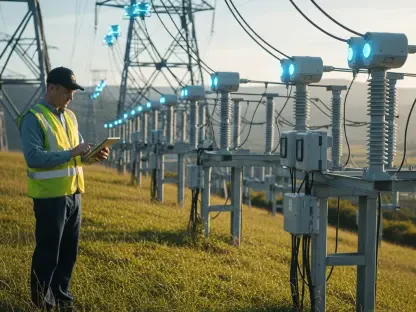
The New Jersey Board of Public Utilities has formalized its VPP exploration through a Request for Information sent to the state’s four largest electric utilities: Atlantic City Electric, Jersey Central Power & Light, Public Service Electric & Gas, and Rockland Electric Co. This directive is not a vague suggestion but a detailed mandate. The utilities must identify specific regulations hindering the connection of new energy resources, pinpoint circuits already at or near capacity, and propose improvements to hosting capacity maps that guide solar installers. Crucially, they are required to locate at least two circuits where smart inverters—devices that can manage grid voltage—could be used to unlock greater capacity, demonstrating a targeted approach to fixing known problems.
Beyond Cost Savings: Unlocking New Jersey’s Clean Energy Goals
The VPP initiative is a key component of a two-pronged strategy that addresses both immediate and long-term challenges. While one of the governor’s executive orders focuses on short-term relief like universal bill credits, the VPP directive tackles the systemic issue holding back the state’s clean energy transition: severe hosting capacity constraints. The current grid infrastructure is struggling to accommodate the influx of new solar and other renewable projects. By using VPPs to manage energy flows more dynamically, New Jersey can integrate more renewables onto the existing grid. This not only helps meet clean energy mandates but also creates a more diverse and resilient power supply, which is essential for long-term cost stability.
The Future of Energy: A Decentralized and Digitized Grid
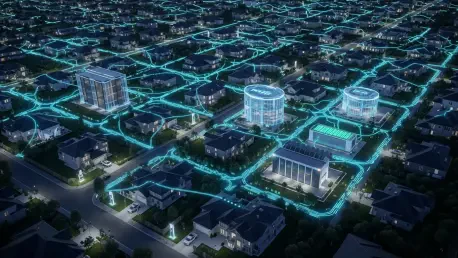
The exploration of VPPs signals New Jersey’s entry into the next era of energy management. The trend is moving away from a centralized, one-way flow of power and toward a decentralized, two-way system where consumers can also be producers. Success will depend on technological advancements in smart grid technology, regulatory frameworks that fairly compensate homeowners for their participation, and robust cybersecurity measures. If these pilot programs prove effective, wider-scale deployment can be expected, along with new consumer incentive programs for installing batteries and smart appliances, and a fundamental change in the relationship between utilities and their customers.
Key Takeaways and a Path Forward for New Jersey
This analysis revealed several critical insights. First, New Jersey’s high energy costs and grid constraints created an urgent need for innovative solutions like VPPs. Second, these systems offered a dual benefit: the potential for direct consumer cost savings and the ability to accelerate the state’s clean energy goals by modernizing the grid. For this initiative to succeed, regulators had to create clear rules and incentives, while utilities needed to embrace a new role as coordinators of distributed resources. For consumers, the best course of action was to stay informed about their utility’s VPP plans and be ready to participate in future programs that offered financial rewards for contributing to a more stable grid.
A Pivotal Moment for the Garden State’s Energy Landscape
New Jersey stood at a pivotal moment. The directive to explore virtual power plants was more than a technical exercise; it represented a strategic shift toward a smarter, more flexible, and democratized energy grid. By harnessing the collective power of small-scale, local resources, VPPs had the potential to enhance reliability, reduce reliance on volatile energy markets, and ultimately provide relief to ratepayers. While the path ahead involved complex regulatory and technical hurdles, this bold step positioned New Jersey to become a leader in grid modernization. The ultimate question was not if VPPs would play a role, but how effectively they could be deployed to build a cleaner and more affordable energy future.