
In the early hours of December 3, Havana’s bustling streets fell eerily silent as a massive power outage swept across the capital and several western provinces of Cuba. Millions awoke to a city without light, where even the iconic ocean-front skyline stood dark against the predawn sky. This wasn’t just a minor glitch but a stark reminder of a chronic energy crisis that has plagued the island for years, leaving residents and officials alike scrambling for solutions in a landscape of scarcity and struggle.
A Sudden Blackout Shakes the Island
The significance of this latest grid failure cannot be overstated. It’s not merely about the inconvenience of a few hours without electricity; it’s a reflection of deeper systemic issues threatening the daily lives of millions of Cubans. The partial collapse of the energy grid on that early December morning affected Havana and regions like Pinar del Rio and Mayabeque, exposing the fragility of a system pushed to its limits. Beyond the immediate disruption, this event signals an urgent need for both short-term fixes and long-term reforms to prevent a cycle of darkness from becoming the norm.
The Unfolding Chaos of a Powerless Day
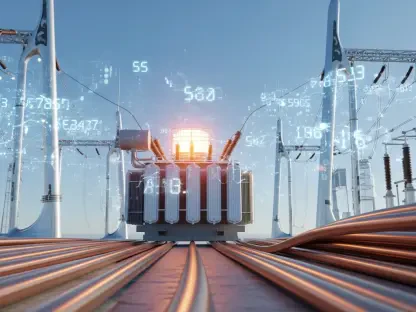
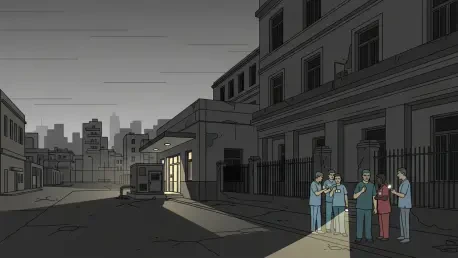
Around 5 a.m., a critical transmission line connecting Havana to the Matanzas power plant failed, plunging vast areas into blackout. While energy officials managed to restore power to about 40% of the capital by midday, the damage was already done. In Havana, once a relative safe haven from the worst outages, residents now endure up to 10 hours without electricity daily, with other provinces facing cuts as long as 20 hours. The immediate toll on daily life was evident—schools delayed openings, businesses shuttered, and essential services like hospitals relied on scarce backup generators to keep running.
The visual and practical fallout painted a grim picture. Havana’s streets, normally vibrant even before sunrise, were marked by non-working traffic lights and spotty cell service, creating confusion and risk for commuters. Hotels and a few key facilities flickered with generator-powered lights, standing as isolated beacons in an otherwise darkened city. For many Cubans, this wasn’t just another outage but a profound disruption, stalling routines and amplifying frustrations over a situation that seems to have no end in sight.
Roots of a Relentless Energy Struggle
Delving into the backstory, Cuba’s energy crisis reveals a troubling dependence on outdated systems and dwindling resources. The island’s power plants, largely oil-fired and decades old, suffer from chronic underinvestment and lack of maintenance, making breakdowns almost inevitable. This vulnerability isn’t new; historical grid collapses over the past years echo the same themes of neglect and economic hardship, with each incident compounding the wear on an already strained infrastructure.
Moreover, fuel shortages lie at the heart of the problem. Imports of crude oil and fuel from allies like Venezuela, Mexico, and Russia have plummeted by over a third in the first 10 months of this year compared to last, based on recent shipping data. U.S. sanctions exacerbate the issue, restricting Cuba’s ability to secure alternative supplies and pushing the government into a corner where geopolitical support is no longer a reliable lifeline. Add to this external shocks like Hurricane Melissa, which battered the grid further, and it becomes clear why stability remains elusive.
Voices from the Ground Paint a Human Picture
Amid the technical failures, the human cost of this crisis stands out through the words of those directly affected. Cuban officials have publicly acknowledged the severity, with statements emphasizing efforts to prioritize fuel allocation and emergency repairs, though admitting that solutions are far from immediate. Residents, however, express a mix of resignation and anger—stories abound of families cooking over makeshift fires, students studying by candlelight, and small businesses losing income with every blackout hour.
Experts and analysts offer a broader perspective, pointing to systemic flaws that go beyond temporary fixes. Research highlights Cuba’s over-reliance on imported fuel and the dire state of its infrastructure, with some estimating that modernizing power plants could take years and billions in investment. Geopolitical barriers, particularly sanctions, are frequently cited as a hurdle, with specialists arguing that without international cooperation, the cycle of collapse will persist unabated.
Charting a Path Out of the Shadows
Turning toward solutions, short-term measures are critical to stabilize the grid. Prioritizing fuel distribution to key power plants and accelerating emergency repairs can provide some relief, even if imperfect. Temporary power solutions, such as deploying mobile generators to critical areas like hospitals and schools, could also bridge the gap while more sustainable plans take shape, offering a small but vital buffer against total darkness.
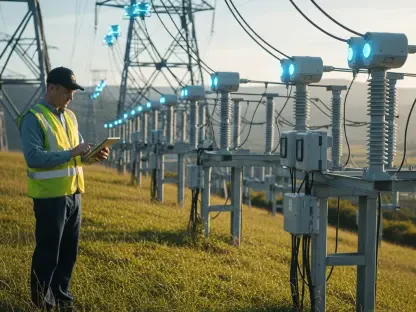
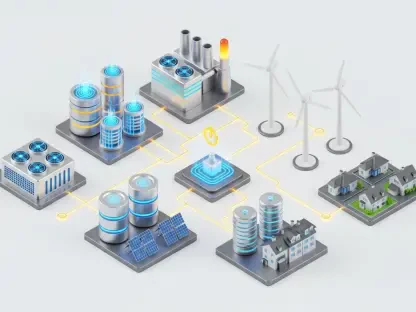
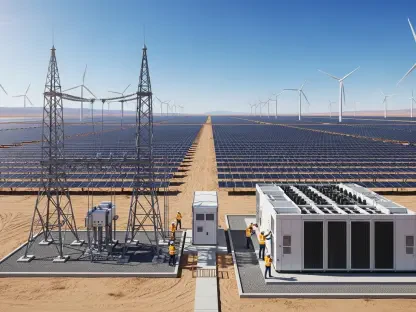
For the long haul, Cuba must pivot to energy security through bold investments in renewable sources like solar and wind, which could reduce dependence on volatile oil imports. Seeking international partnerships and aid, despite geopolitical tensions, remains essential to fund these initiatives and bring in technical expertise. Beyond government action, empowering communities through local energy resilience projects—think small-scale solar installations—can help mitigate the impact of grid failures at the grassroots level.
Reflecting on this crisis, it’s evident that the December 3 outage was more than a fleeting inconvenience; it was a glaring signal of systemic decay that had been ignored for too long. The path forward demanded innovative thinking and global solidarity to rebuild a power system capable of withstanding both internal and external pressures. As Cuba had struggled through darkened days, the urgency to act had grown, with the hope that practical steps and renewed cooperation would eventually light the way to a more stable future.