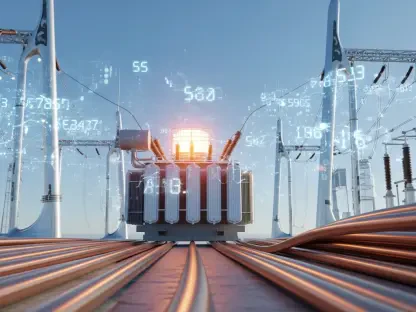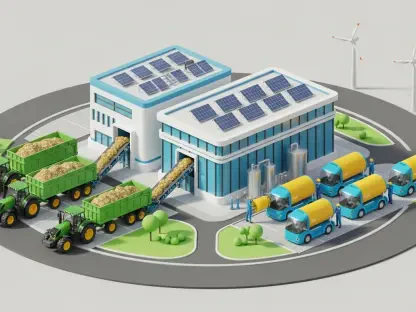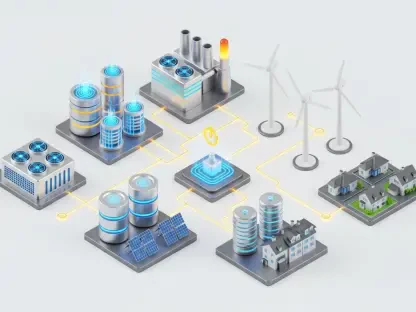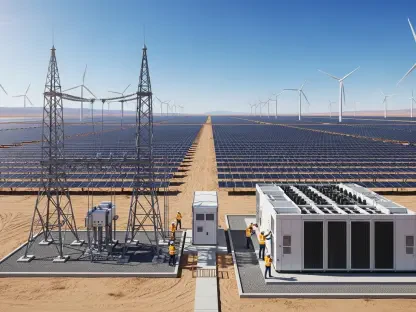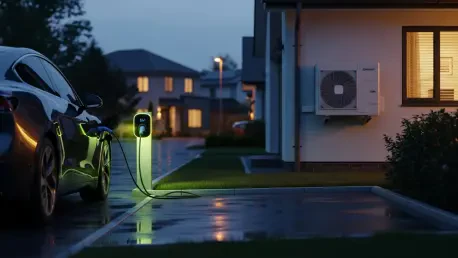

The familiar hum of American life is growing louder than ever before as the nation grapples with shattering its all-time electricity consumption records, a surge fueled by a perfect storm of technological advancement and societal change. This escalating demand carries profound implications for the country’s infrastructure, economic stability, and ambitious environmental goals. The following analysis dissects the primary drivers behind this surge, examines the corresponding transformation in power generation, and explores the future challenges and opportunities for the U.S. energy landscape.
The Drivers Behind the Surge a Nation Plugs In
The Unprecedented Thirst of the Digital Age
The U.S. Energy Information Administration (EIA) forecasts that total power demand is reaching 4,199 billion kilowatt-hours (kWh) this year, with projections climbing to an even higher 4,267 billion kWh in 2026. A primary catalyst for this growth is the exponential expansion of data centers, the digital engines powering everything from artificial intelligence (AI) to cryptocurrency mining.
The power footprint of these facilities is immense, and the ongoing AI boom is accelerating this trend at a blistering pace. As more industries integrate complex algorithms and digital services, the energy required to process and store vast quantities of data is pushing the national grid to its limits, creating a new and formidable baseline for electricity consumption.
The Electrification of American Life
Beyond the digital frontier, a broad-based transition is underway in homes and businesses across the country. The rising adoption of electric vehicles (EVs) and the increasing popularity of electric heating systems, such as heat pumps, signify a fundamental shift away from direct fossil fuel use at the consumer level. This trend is so significant that the EIA projects both the residential and commercial sectors are poised to set their own new consumption records, demonstrating that the demand surge is not isolated to industry but is a nationwide phenomenon.
A Grid in Transition Reshaping Americas Power Sources
The Ascendance of Renewable Energy
To meet this historic demand, the nation’s power generation mix is undergoing a rapid transformation. Statistics show a decisive move toward green energy, with the share of generation from renewable sources projected to grow from 22% last year to an estimated 25% by 2026. This expansion is predominantly led by large-scale solar and wind projects, fueled by a combination of federal policy incentives and increasingly favorable economics that make renewables competitive with traditional power sources.
The Evolving Role of Traditional Power
Simultaneously, the roles of legacy power sources are shifting. While natural gas remains the country’s top source of electricity, its share is forecast to decrease from 42% to 40% by next year. In a more complex trajectory, coal-fired power is experiencing a temporary rise to 17% this year before declining to 16% in 2026. Nuclear power, a consistent source of carbon-free energy, is also expected to see its contribution dip slightly from 19% to 18%, illustrating a gradual but definite transition in the American energy portfolio.
Expert Perspectives on a High Voltage Future
Energy market analysts caution that while EIA forecasts are robust, the unprecedented speed of AI adoption introduces a level of volatility that makes long-term demand planning exceptionally difficult. Unforeseen technological leaps could easily render current projections conservative, placing even greater stress on the grid.
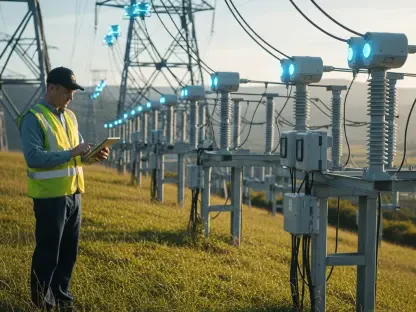
From the utility sector, leaders emphasize that maintaining grid stability amid this surge requires monumental investment. The challenge is not merely generating more power but modernizing an aging transmission and distribution network to handle new consumption patterns and integrate decentralized energy sources without compromising reliability.
Meanwhile, experts in the technology sector highlight a growing movement toward energy efficiency within the data center industry. Innovations in cooling systems, chip design, and power usage effectiveness (PUE) are being pursued aggressively to mitigate the environmental impact and control operational costs, though these efforts are currently in a race against the sheer growth in demand.
Outlook and Implications Powering Tomorrow
Navigating the Challenges of Peak Demand
The path forward is fraught with challenges. Record consumption places immense strain on an electrical grid that was not designed for such loads, elevating the risk of localized blackouts during peak periods. Integrating intermittent renewable sources like solar and wind at scale is also a complex engineering puzzle, especially as reliable, traditional power plants are gradually phased out.
Forging Opportunities in the Energy Transition
However, these challenges create significant opportunities. Advancements in utility-scale battery storage are critical to solving the intermittency problem of renewables, while the implementation of smart grids and demand-response programs can help manage consumption more efficiently. This transition promises to spur major job creation in the green energy sector and positions the U.S. to become a global leader in sustainable technology and grid modernization.
Conclusion a Nation Recharged
The analysis of the nation’s energy trends demonstrated a clear trajectory toward historic power consumption, a reality shaped by the dual forces of digitalization and electrification. This surge precipitated a consequential and rapid transformation of the U.S. energy portfolio, marking a definitive pivot toward renewable sources. It became evident that navigating this high-voltage future required strategic policy, sustained technological innovation, and robust public-private investment to forge a resilient and sustainable energy infrastructure for the centuries to come.