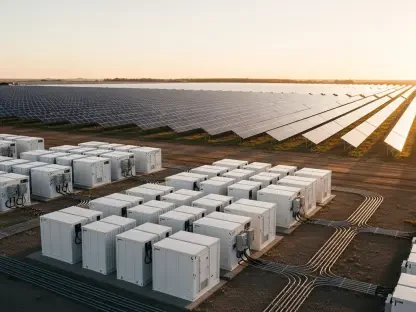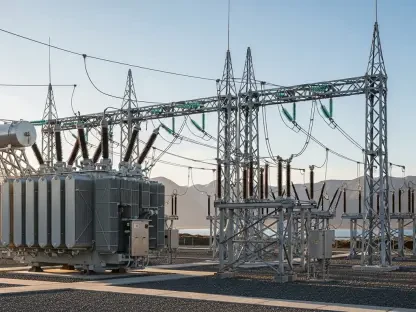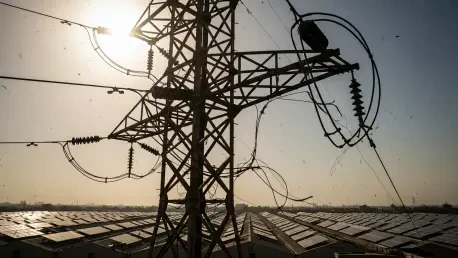

A nation once plagued by chronic power shortages is now confronting an entirely different energy challenge: generating so much solar power during the day that its national grid can no longer handle the surplus. Pakistan is on the cusp of becoming the first major emerging market where rooftop solar generation will outstrip grid demand in its industrial heartlands, a success story that has paradoxically spiraled into a national crisis. This unprecedented, consumer-led energy revolution forces a critical examination of what happens when a solution becomes a problem in its own right, pushing the country’s infrastructure and policies to their breaking point.
When Green Energy Becomes a National Problem
The startling forecast reveals a turning point for the nation’s energy sector. Within the year, major industrial hubs will experience periods where the electricity generated from countless rooftops exceeds what the local population and industries draw from the national grid. This phenomenon, once a theoretical challenge for highly developed economies, is now a pressing reality for Pakistan.
The core dilemma is no longer about incentivizing renewable energy but about managing its overwhelming and rapid success. The country’s infrastructure, designed for a one-way flow of power from centralized plants to consumers, is ill-equipped for a decentralized system where millions of homes and businesses are now power producers. This imbalance threatens to destabilize the grid, creating a new set of problems for energy planners who spent decades trying to solve deficits, not surpluses.
The Roots of a Consumer-Led Revolution
This dramatic shift was born out of public frustration. For years, Pakistani citizens and businesses endured crippling power cuts and navigated the economic strain of sky-high electricity tariffs. In a quest for energy independence and predictable costs, millions turned to the sun. This grassroots movement transformed the country into the world’s third-largest importer of solar panels, as rooftops across urban and rural landscapes became miniature power plants.
The transition was not driven by a top-down government mandate but by a collective, market-based decision. The affordability and accessibility of solar technology provided a lifeline for a population of 250 million seeking to escape the unreliability of the state-run power system. This surge in private investment in solar energy has fundamentally and permanently altered the nation’s energy consumption patterns, catching utility companies and regulators off guard.
A Tale of Two Grids The Promise and Peril
The dawn of “negative demand” is imminent in solar-saturated cities like Lahore, Faisalabad, and Sialkot. During bright summer afternoons and industrial holidays, these areas will require zero electricity from the national grid, effectively pushing power back into a system not designed to receive it. While this represents a victory for clean energy and consumer empowerment, it sends a financial shockwave through the energy sector.
This decline in demand is creating a severe financial crisis for Pakistan’s already debt-laden electric utility companies. These entities are locked into long-term contracts to purchase power from traditional plants, meaning they must pay for electricity that no one is using. The resulting revenue loss jeopardizes their ability to maintain the grid infrastructure that everyone—including solar users—relies on during nighttime hours or cloudy days. Consequently, the boom has global implications, forcing Pakistan to renegotiate long-term liquefied natural gas (LNG) contracts and fundamentally rethink its fossil fuel import strategy.
An Official Acknowledgment of a Tipping Point
The government has officially recognized this complex challenge. Aisha Moriani, secretary of Pakistan’s climate change ministry, confirmed the timeline and anticipated impact of this energy turning point. She highlighted that the country has moved past the phase of simply encouraging renewables; the focus now is squarely on integration and management.
This acknowledgment from a high-level official underscores the seriousness of the situation. It signals a shift in national energy policy from promotion to regulation. The government’s view is that the grid must evolve to accommodate this new reality, a task that requires not just technical upgrades but a complete overhaul of market design and regulatory frameworks to ensure stability and fairness.
The Race to Adapt a Strained System
In response, the government is formulating a strategy to manage the crisis. A key proposal involves introducing new tariffs specifically for large-scale commercial and industrial solar users. The goal is not to penalize the adoption of solar power but to create a more equitable system for covering the fixed costs of the national grid.
These planned adjustments include revised fee structures designed to ensure that businesses with significant solar installations contribute fairly to the maintenance of the grid. As they continue to rely on the grid for backup power, the new policies aim to balance the benefits of decentralized generation with the collective responsibility of sustaining the national energy infrastructure. This race to adapt policy is critical to ensuring that the solar revolution does not inadvertently cause the collapse of the system it was meant to support.
The rapid and decentralized adoption of solar energy in Pakistan stood as a powerful example of a consumer-driven response to energy insecurity. This transition, fueled by a desire for autonomy from a faltering national grid, successfully lowered carbon emissions and reduced electricity costs for millions. However, it simultaneously created profound financial and logistical challenges for the nation’s utility infrastructure, which had to quickly adapt to a new era of energy surplus. The policy interventions and regulatory reforms that followed became a necessary, albeit difficult, chapter in the country’s journey toward a balanced and sustainable energy future.