
The rumble of diesel engines across India’s northeastern frontier is steadily being replaced by the quiet efficiency of electric power and the hum of solar arrays, signaling a transformative era for regional railway operations. The Indian railway sector is at a critical juncture, navigating the dual imperatives of rapid modernization and environmental stewardship. Within this national landscape, the Northeast Frontier Railway (NFR) is emerging as a key player, demonstrating how targeted investments in green technology and advanced safety systems can yield significant operational and environmental returns. Its progress serves as a compelling case study for balancing economic growth with sustainable development.
Charting a Course for a Modern Sustainable Railway
The Northeast Frontier Railway has articulated a strategic vision centered on creating a technologically advanced and environmentally responsible network. This vision moves beyond simple infrastructure upgrades, aiming to redefine operational paradigms through a commitment to decarbonization and unparalleled safety standards. The railway recognizes that its long-term viability depends not only on efficiency but also on its ability to operate in harmony with the ecologically sensitive regions it serves.
In the context of contemporary rail transport, green energy and enhanced safety are no longer optional additions but core components of a resilient and competitive system. For NFR, this means actively reducing its carbon footprint through renewable energy and electrification while simultaneously deploying cutting-edge systems to protect passengers, personnel, and assets. These efforts position NFR as a progressive force within the broader Indian Railways network, directly contributing to national objectives for carbon neutrality and safer public transportation.
Driving Progress: NFRs Landmark Achievements in 2025-2026
Harnessing the Sun: A Record-Breaking Leap in Solar Energy
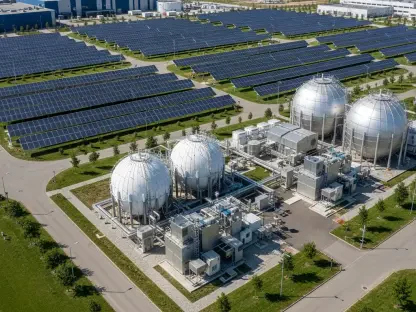
The 2025-2026 fiscal year marked a watershed moment for NFR’s renewable energy program, with the installation of an unprecedented 9.27 MWp of rooftop solar power capacity. This achievement represents the highest-ever single-year installation for the zone and a staggering 373% increase over the previous year. By elevating its total solar capacity to 18.4 MWp, NFR has significantly advanced its energy independence.
This strategic expansion of solar infrastructure translates directly into substantial operational savings and a lighter environmental footprint. The energy generated from these new installations is powering stations, sheds, and administrative buildings, reducing reliance on the conventional grid. Consequently, this shift not only lowers energy costs but also contributes meaningfully to the reduction of greenhouse gas emissions, aligning NFR’s operations with sustainable principles.
Expanding Electric Horizons: The Shift from Diesel to Clean Power
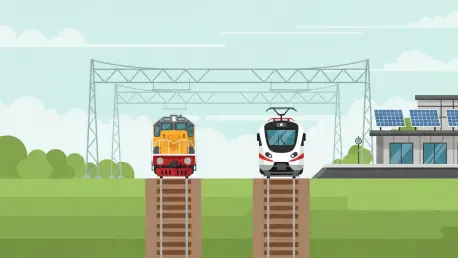
Parallel to its solar initiatives, NFR has accelerated its transition from diesel to electric traction. A major milestone was the conversion of 31 pairs of mail and express trains to run entirely on electric power, a move that immediately freed up 26 diesel locomotives for other duties and improved overall network efficiency. This large-scale conversion underscores a clear strategic pivot toward cleaner, more powerful, and cost-effective propulsion.
To support this expanding electric fleet, NFR commissioned new Trip Inspection (TRIP) sheds in New Jalpaiguri and Dibrugarh. These specialized facilities are crucial for ensuring the maintenance and reliability of electric locomotives, providing the necessary infrastructure to handle routine inspections and minor repairs swiftly. This forward-thinking investment in support systems is vital for sustaining the momentum of electrification and guaranteeing the seamless operation of a modernized fleet.
Navigating the Complexities of a Greener, Safer Network
The large-scale deployment of solar panels across railway stations, service buildings, and workshops presents significant logistical challenges. Coordinating installation in active operational areas without disrupting daily train services requires meticulous planning and execution. Moreover, ensuring the long-term maintenance and optimal performance of a distributed solar network across diverse geographical and climatic conditions is a continuous operational test for NFR’s engineering and maintenance teams.
Transitioning from a diesel-dominant fleet to an all-electric one involves more than just acquiring new locomotives. It necessitates comprehensive retraining of crew and maintenance staff, upgrading power supply infrastructure, and reconfiguring timetables to leverage the unique performance characteristics of electric engines. Similarly, integrating advanced safety systems like the indigenous KAVACH Automatic Train Protection system into a mixed fleet of existing and new rolling stock demands careful technical calibration to ensure flawless interoperability and prevent system conflicts.
Aligning with National Priorities: Sustainability and Safety Mandates
NFR’s focused initiatives in renewable energy and electrification are in direct support of India’s ambitious national goals for achieving carbon neutrality and increasing the share of renewables in its energy mix. By generating its own clean power and reducing diesel consumption, the railway actively contributes to the country’s commitments under international climate agreements, demonstrating the transport sector’s potential to lead in sustainability.
The adoption of indigenous technologies like KAVACH is a critical component of meeting new federal safety standards designed to eliminate human error-related accidents. This system, installed in 81 electric locomotives, represents a significant step toward creating a more secure rail network. These modernization efforts are closely guided by regulatory oversight, ensuring that all new systems and operational protocols adhere to the highest standards of safety and efficiency mandated by national railway authorities.
The Road Ahead: NFRs Vision for Future Operations
Looking forward, NFR plans to build on its recent successes with an even more ambitious expansion of its solar energy and electrification projects. The next phase will likely target wider coverage of railway infrastructure with solar panels and focus on completing the electrification of remaining diesel-operated routes. These efforts will further cement NFR’s position as a leader in sustainable transportation within the Indian Railways system.
The future rollout of KAVACH is expected to extend across a larger portion of the network’s high-density corridors, creating a comprehensive safety shield for train operations. This will be complemented by continued innovation in crew training, leveraging tools like the new Automatic Block System working model and nighttime sectional videography. Such technologies enhance situational awareness and equip running staff with the skills needed to manage an increasingly complex and technologically advanced network with greater efficiency.
A Blueprint for Modern Railway Excellence
The Northeast Frontier Railway’s performance in the 2025-2026 fiscal year stands as a powerful demonstration of how a focused strategy can yield dual success in environmental sustainability and operational safety. Its record-breaking solar installations and aggressive electrification program are not just isolated achievements; they represent a fundamental shift toward a greener, more efficient operational model that reduces both costs and carbon emissions.
Key takeaways from the year’s progress include the clear benefits of investing in indigenous safety technologies like KAVACH and the importance of robust support infrastructure, such as the new TRIP sheds. These initiatives confirm that the strategic integration of technology and green infrastructure is the most effective path toward building a modern railway. The continued commitment to this vision remains essential for NFR as it solidifies its role as a benchmark for excellence in the Indian railway network.