
The artificial intelligence revolution is silently consuming more electricity than some small countries, pushing the aging American power grid to a precipice it was never designed to face. This unprecedented demand, fueled by the computational thirst of AI models, has created a critical infrastructure challenge that conventional utility planning cannot solve alone. In response, a powerful new symbiosis is forming between the worlds of technology and energy, where the architects of our digital future are now directly funding the power plants required to sustain it.
The Unseen Price of Progress and the Grid’s Breaking Point
The exponential growth in energy consumption is a direct consequence of AI’s complexity. Training sophisticated models and deploying them at scale requires massive data centers packed with energy-intensive processors running continuously. This has created a sudden, concentrated surge in electricity demand that far outpaces the incremental growth for which the nation’s power infrastructure was built. The existing U.S. grid, a patchwork of decades-old systems, simply lacks the capacity and flexibility to accommodate the gigawatt-scale needs of multiple new data center campuses emerging simultaneously.
This fundamental mismatch has forced a paradigm shift in how energy is sourced for large-scale industrial use. Unable to rely on the public grid for the sheer volume and reliability they require, technology giants are abandoning the traditional customer-utility relationship. In its place, a “bring-your-own-generation” model is taking hold. This innovative approach involves tech companies directly partnering with energy producers like NextEra to fund and build dedicated power sources, ensuring a stable, long-term supply of electricity tailored specifically for their operations.
A New Energy Blueprint Forged in Landmark Alliances
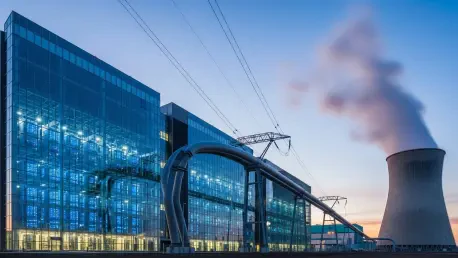
At the forefront of this trend is a landmark collaboration between NextEra and Google. The two companies are jointly developing large-scale data center campuses powered by dedicated, newly constructed plants. The most striking example of this partnership is the decision to restart the previously decommissioned Duane Arnold nuclear power plant in Iowa. Under a 25-year contract, the plant will provide consistent, carbon-free baseload power exclusively for Google’s data centers. Further cementing their integration, the partners are also co-developing an AI-powered product aimed at enhancing grid reliability, set to launch by mid-2026.
Recognizing that no single energy source can meet the diverse demands of the AI boom, NextEra is pursuing a multifaceted strategy. The company has partnered with ExxonMobil to develop natural-gas-fired power plants integrated with carbon capture technology, offering a solution that can be deployed more rapidly than nuclear facilities. Their initial project is a 1.2-gigawatt plant in the Southeast U.S. At the same time, NextEra has secured significant contracts with Meta, encompassing 11 power purchase agreements and two energy storage agreements that will deliver over 2.5 gigawatts of capacity between 2026 and 2028.
These strategic moves signal a broader industry-wide resurgence of interest in reliable, large-scale baseload power. After years of focus on intermittent renewables, the unwavering energy needs of data centers have brought nuclear power back into the spotlight as a critical component of the energy mix. Beyond the high-profile restart of Duane Arnold, NextEra’s extended agreement to supply power from its Point Beach Nuclear Plant into the 2050s serves as further evidence of this strategic pivot toward sources that can guarantee uninterrupted, 24/7 operation.
Wall Street’s Validation of the Power Play
This aggressive expansion into the data center market is underpinned by a confident financial strategy that has captured the attention of investors. NextEra Energy has publicly projected that it will add a staggering 15 gigawatts of new power generation capacity specifically for data centers by 2035. This long-term commitment provides a clear roadmap of the company’s ambition to become the premier energy provider for the technology sector.
The market has responded positively to this clear and decisive strategy. In a direct signal of strong confidence, NextEra raised its adjusted earnings forecasts for both 2025 and 2026. This upward revision is not based on speculative growth but is directly connected to the secured long-term contracts with giants like Google and Meta. This financial validation confirms that Wall Street views the company’s pivot toward powering the AI boom as a robust and profitable long-term venture.
The Emerging Playbook for Powering Tomorrow’s Technology
The success of these ventures has revealed a clear and replicable industry playbook for meeting the immense energy demands of modern technology. The first principle is the forging of direct, long-term corporate partnerships. By securing exclusive contracts with power consumers like Google and Meta, energy companies can effectively de-risk the massive capital investment required to build new multi-billion-dollar generation projects, ensuring a guaranteed revenue stream for decades.
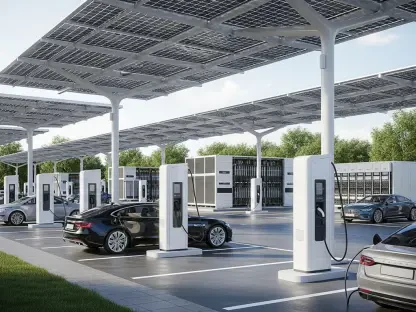
Secondly, the strategy embraces a diversified, “all-of-the-above” energy portfolio. This pragmatic approach leverages each energy source for its unique strengths: nuclear for its unparalleled reliability and carbon-free baseload output, natural gas with carbon capture for its rapid scalability to meet immediate needs, and renewables paired with energy storage to help corporations meet their sustainability goals. This mix provides a resilient and adaptable power supply capable of evolving with technological and regulatory landscapes.
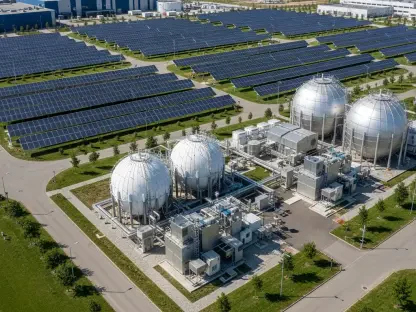
The final pillar of this modern energy strategy has been the co-location of power generation with demand centers. By building new power plants in close proximity to the data center campuses they serve, companies minimize energy loss over long transmission lines and reduce strain on the broader public grid. This model of localized, dedicated power has created a more efficient, stable, and resilient infrastructure that ensures the digital engines of the AI economy have the uninterrupted power they need to operate. The convergence of these energy and technology titans has thus not only solved a looming crisis but has also established a new blueprint for how critical infrastructure will be built for generations to come.