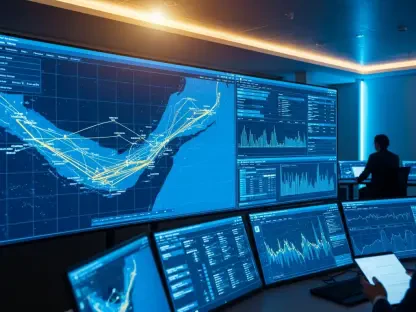

Imagine a Midwest where the lights flicker as demand for electricity surges beyond what the grid can handle, leaving homes and businesses scrambling for power. This looming scenario is exactly what the Midcontinent Independent System Operator (MISO), a key grid operator in the U.S. Midwest, is working to prevent. With energy needs climbing at an unprecedented rate, MISO has taken bold action by accelerating the review process for 15 new power projects. These initiatives aim to bolster the region’s electricity supply and ensure stability in the near term. The urgency reflects a broader national challenge faced by major grid operators striving to keep pace with growth while maintaining reliability. This move, though critical, stirs a complex debate about how to balance immediate energy demands with long-term sustainability goals. As MISO pushes forward, the spotlight falls on the diverse energy mix and the controversies that accompany such rapid decisions.
Balancing Urgency with Diversity in Energy Solutions
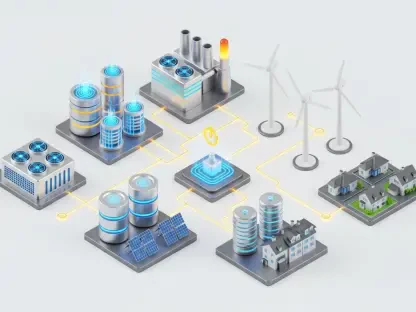
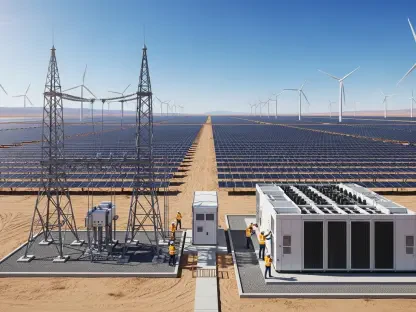
MISO’s latest round of expedited reviews encompasses a varied portfolio of 15 projects, totaling over six gigawatts of capacity—enough to power roughly 4.5 million homes. The lineup includes seven natural gas-fired plants, alongside three battery storage systems, three solar installations, and two wind turbines, with completion dates spanning from late 2027 to mid-2028. This diversity suggests an effort to address reliability through multiple avenues, not just leaning on traditional fossil fuels. By slashing the usual connection timeline by months or even years, MISO aims to bridge the growing gap between energy demand and supply. However, the predominance of natural gas in the mix raises questions about whether this approach fully aligns with broader climate objectives. While the inclusion of renewables and storage offers a nod to cleaner energy, the sheer number of gas projects hints at a pragmatic focus on quick, dependable solutions. This strategy underscores the tension between solving today’s grid challenges and planning for a greener tomorrow.
Navigating Controversies and Legal Pushback
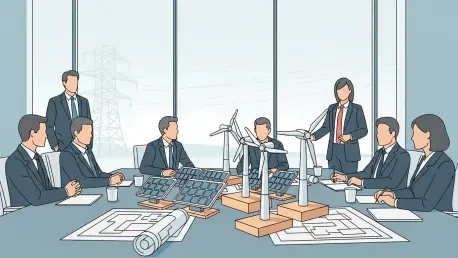
Despite the promising scope of MISO’s fast-track program, it hasn’t escaped scrutiny or conflict. Environmental and consumer advocacy groups, frustrated by what they perceive as a bias toward natural gas over renewables, have launched legal challenges against the Federal Energy Regulatory Commission (FERC). They argue that programs like MISO’s may prioritize short-term fixes at the expense of sustainable options like solar and wind. This backlash highlights a critical rift in the energy sector: the urgent need for grid stability often clashes with the imperative to transition to cleaner sources. Although MISO’s project selection shows some balance, the legal disputes reflect deeper concerns about regulatory fairness and long-term environmental impact. Critics pushed for stronger oversight to ensure that renewable projects get equal consideration. Looking back, these debates revealed how MISO’s efforts, while vital for immediate relief, became a flashpoint for broader discussions on how to equitably shape the energy landscape for future generations.