
The vast, invisible infrastructure powering modern digital life, from artificial intelligence to cloud streaming, is now casting a very real and darkening shadow over the nation’s ability to keep the lights on for millions. PJM Interconnection, the entity responsible for managing the electrical grid for 65 million Americans across 13 states and Washington, D.C., finds itself at the center of an escalating power crisis. The operator is grappling with a critical question: what happens when the voracious energy appetite of Big Tech outpaces the grid’s capacity to supply it? The answer is becoming uncomfortably clear, signaling a potential future of energy shortfalls and rising costs.
The Digital Boom and the Strain on the Grid
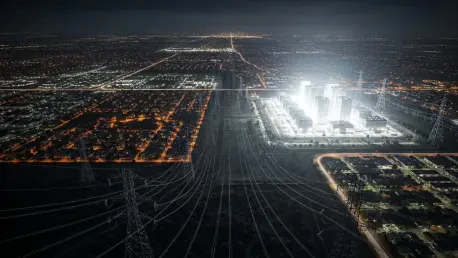
The epicenter of this looming crisis is Northern Virginia, a region within PJM’s territory that has become the world’s most concentrated data center market. These massive facilities, the physical backbone of the internet, are multiplying at an unprecedented rate. This expansion is no longer driven by simple web hosting but by the computationally intensive demands of artificial intelligence, which requires exponentially more power than traditional data processing.
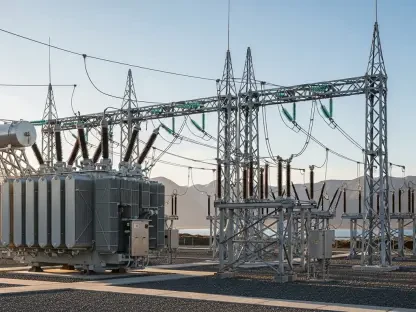
For the average consumer, the connection between their favorite streaming service and the stability of their home’s power supply has never been more direct. The immense electrical load required to run these server farms puts a direct and growing strain on the same infrastructure that powers neighborhoods, hospitals, and schools. As the digital world expands, the physical grid is being pushed to its breaking point, threatening the reliability that households and businesses have long taken for granted.
An Alarming Forecast and Its Economic Fallout
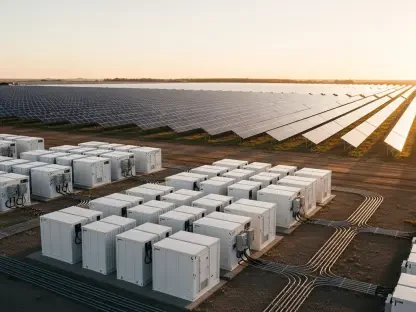
The scale of this surge is staggering. PJM’s internal forecasts project that data centers will be responsible for nearly all of the anticipated 32-gigawatt growth in electricity demand by 2030. This explosive growth has led the grid operator to issue a stark warning: without a significant and rapid expansion of new power generation, the region could face rolling power shortages as early as 2027. This race against the clock has created a bottleneck, as the development of new power plants is being hampered by rising construction costs and persistent supply chain delays.
This strain is already hitting consumers in the wallet. The unprecedented demand has caused wholesale electricity prices in PJM’s annual capacity auctions to skyrocket by over 1,000% in the last two cycles. While these higher prices are designed to incentivize the construction of new power plants, their immediate effect is felt by the public. These costs are passed directly from utility companies to customers, resulting in higher monthly electricity bills for millions of households and businesses across the region.
Contentious Debates and Rejected Proposals
The search for a solution has sparked intense debate within the industry. In a recent and telling vote, PJM members, a diverse group that includes both utility companies and power generators, rejected several proposals designed to fast-track the connection of new data centers to the grid. The vote exposed a deep rift between the need to support the booming tech economy and the fundamental duty to maintain grid reliability for all users.
The discussions revealed just how high the stakes are. Earlier, more stringent versions of the plan were removed from consideration before the vote. These measures would have required data centers to either generate their own backup power or agree to shut down entirely during grid emergencies to prevent widespread blackouts. The failure to reach a consensus on even the softened proposals illustrates the profound challenge of balancing the tech industry’s explosive growth with the physical limits of the nation’s energy infrastructure.
Forging a Path to Keep the Lights On
Despite the recent setbacks, the PJM Board of Managers has publicly affirmed its commitment to finding a workable solution. The leadership understands the urgency and has set a firm deadline of December to finalize a comprehensive roadmap for managing the flood of data center interconnection requests. This plan will be crucial in determining how the region navigates the next several years of intense energy demand.
However, the path forward remains unwritten. The final details of this critical strategy are still being negotiated, leaving the industry and the public in a state of uncertainty. The decisions made in the coming months will not only shape the future of the tech industry in the region but will also determine the reliability and cost of electricity for millions of Americans, making the search for a balanced and sustainable solution a matter of national importance.
The challenge presented by the data center boom marked a turning point, where the abstract demands of the digital economy collided with the concrete limitations of the physical world. It became a defining test of foresight and collaboration, forcing a nationwide reckoning with the true cost of our insatiable demand for data. The debate crystallized the difficult choices that were necessary to power the future without sacrificing the stability of the present.