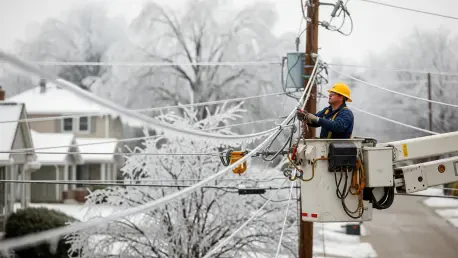

As a bitter winter storm encases Texas in a sheath of ice, the collective memory of a state once plunged into darkness and cold serves as a chilling backdrop to the unfolding events. The catastrophic failure of the power grid during the 2021 deep freeze left an indelible scar on the Texan psyche, transforming the Electric Reliability Council of Texas (ERCOT) from an obscure acronym into a household name synonymous with vulnerability. Now, every drop in temperature and every forecast of freezing rain reignites a critical conversation about the grid’s resilience, a topic that has transcended energy policy to become a cornerstone of public safety, economic stability, and intense political debate.
The current storm presents the first widespread, severe test of the comprehensive reforms enacted in the wake of that disaster. While ERCOT’s public-facing dashboards show the statewide grid holding steady under “normal conditions,” this high-level view obscures a more complicated and frustrating reality on the ground. This analysis will delve into the grid’s performance under renewed pressure, contrasting the significant post-2021 upgrades with the persistent challenges that continue to leave thousands of Texans in the dark, questioning if enough has truly been done.
A State on Edge: The Lingering Shadow of Past Grid Failures
The catastrophic 2021 winter storm established a high-stakes context for every subsequent weather event, leaving a deep-seated anxiety among residents. That multi-day disaster, marked by widespread blackouts, frozen pipes, and tragic loss of life, fundamentally altered the relationship between Texans and their power supply. It revealed a system startlingly unprepared for extreme cold, where failures in one sector cascaded into others, crippling natural gas production, water treatment plants, and communication networks. This memory fuels the apprehension accompanying the current storm, as citizens watch grid-monitoring websites with a vigilance once reserved for hurricane tracking.
Consequently, the resilience of the ERCOT-managed grid has evolved into a critical issue of public safety and economic well-being. The reliability of electricity is no longer taken for granted; it is now understood as the bedrock upon which modern life and commerce are built. The political fallout from the 2021 failure prompted a sweeping overhaul of regulations and leadership, making grid performance a litmus test for elected officials. As Texans once again huddle against the cold, the stability of the power system is not just a technical matter but a measure of governmental competence and its commitment to protecting its citizens.
Dissecting the Grid’s Performance Under Pressure
Fortifying the Lines: An Examination of Post-Uri Upgrades
In the years following the 2021 disaster, Texas implemented a series of significant reforms aimed at preventing a repeat catastrophe. Lawmakers passed legislation mandating the winterization of power generation facilities and critical natural gas infrastructure, requiring them to protect equipment against freezing temperatures. These regulatory changes were paired with infrastructure improvements, including enhanced weather forecasting integrated into grid operations and stricter enforcement of reliability standards. The goal was to create a more robust system capable of withstanding the very conditions that previously brought it to its knees.
Data from ERCOT reflects these efforts, showing a measurable increase in available generation capacity compared to previous winters. The council reports that a vast majority of power plants and a significant portion of the natural gas facilities that supply them have successfully passed inspections for new weatherization requirements. However, a debate continues among energy experts. While many acknowledge the improvements have made the core generation fleet far less susceptible to cold, some question whether these measures are sufficient to handle a prolonged storm that combines extreme cold with severe icing, testing not just the machinery but the entire energy supply chain.
A Tale of Two Grids: ERCOT Stability vs. Local Outage Realities
A critical distinction has emerged during this storm: the difference between the stability of the statewide ERCOT grid and the reliability of local power delivery. While ERCOT’s dashboard indicates sufficient generation to meet demand, preventing the need for rolling blackouts, this macro-level stability offers little comfort to the tens of thousands of residents experiencing localized outages. Companies like Oncor and Deep East Texas Electric have reported a spike in service disruptions, demonstrating that a “normal” grid status does not equate to uninterrupted power for everyone.
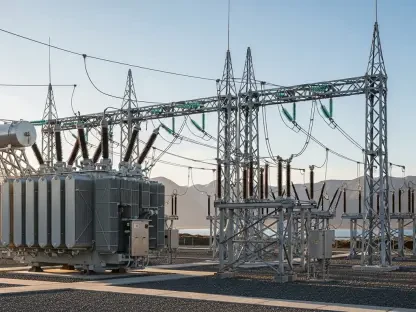
The primary culprit in these local failures is not a shortfall of megawatts but the sheer weight of ice. In East Texas, counties like Shelby and Nacogdoches have seen thousands of customers lose power as ice-laden tree limbs snap and fall onto local distribution lines, or the lines themselves break under the strain. This illustrates a separate, more localized challenge. While ERCOT manages the highway of the power system, local utility providers are responsible for the neighborhood streets. These providers face the immense logistical and financial challenge of maintaining and repairing thousands of miles of exposed wires against severe ice storms, a problem distinct from the state’s power generation capacity.
The Unseen Cracks: Pinpointing Lingering System Vulnerabilities
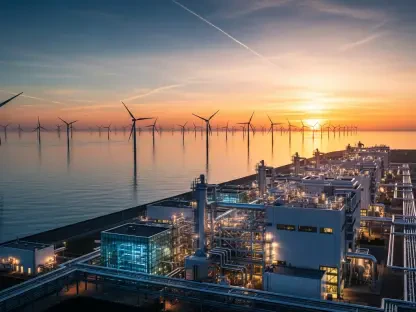
Despite the progress in winterizing power plants, potential weak points persist throughout the energy ecosystem. A primary concern remains the natural gas supply chain, where freezing wellheads and pipeline issues can still throttle the flow of fuel to power generators, even if the plants themselves are protected. Furthermore, the performance of renewable energy sources, particularly wind turbines, can be inconsistent in icy conditions, creating variability that grid operators must manage carefully. While improvements have been made, the system’s interdependencies mean a failure in one area can still impact another.
The unique structure of the Texas grid introduces another layer of risk. Because it operates largely independent of the two major national grids, ERCOT’s ability to import significant amounts of power from other states during an emergency is severely limited. This isolation means Texas must be almost entirely self-reliant, placing immense pressure on its in-state generation to perform flawlessly during periods of high demand. This reality challenges the reassuring message of a “normal” grid dashboard, as it underscores that the state has a much thinner margin for error than interconnected regions, making every local vulnerability a potential threat to broader stability.
Beyond the Megawatts: The Human and Economic Cost of Grid Uncertainty
For residents and businesses in the hardest-hit areas, particularly across rural East Texas, the distinction between a generation failure and a local outage is academic. The real-world impact is the same: no heat, no light, and a growing sense of uncertainty. The experience of huddling for warmth and worrying about frozen pipes brings back traumatic memories of 2021, even if the cause is different this time. For small businesses, an outage of even a day or two can mean significant lost revenue, spoiled inventory, and operational chaos, compounding economic pressures.
In response, utility companies have visibly improved their communication strategies compared to past failures. Outage maps are updated more frequently, and proactive text alerts provide customers with restoration estimates. This enhanced customer-facing operation helps manage expectations and reduces frustration, though the speed of repairs in icy, remote areas remains a logistical hurdle. Looking ahead, regions that suffer repeated, prolonged weather-related outages may face long-term economic consequences, including rising insurance premiums and challenges in attracting new investment, as businesses and residents weigh the costs of grid unreliability.
Navigating the Freeze: Actionable Strategies for Consumers and Policymakers
The key takeaway from the current storm is clear: while the core of the Texas power grid has been made significantly more robust against generation shortfalls, the local distribution infrastructure remains highly vulnerable to severe ice. The state has successfully fortified its power plants, but the “last mile” of wires, poles, and transformers that deliver electricity to homes and businesses remains the system’s Achilles’ heel in an ice storm. This resilience gap highlights where the next phase of investment and planning must be concentrated.
For Texans, this reality means preparation for localized outages is still essential. Residents should maintain an emergency kit, know how to safely report downed power lines by calling 911 and staying at least 35 feet away, and be enrolled in their local utility’s alert system for the most current information. For policymakers, the focus must now shift from statewide generation to modernizing and weather-hardening these local distribution networks. This could involve more aggressive tree-trimming programs, replacing aging equipment, and exploring strategic undergrounding of power lines in critical areas to close the final gap in the state’s energy resilience.
The Verdict on Resilience: A Continuous Battle, Not a Finished War
It was evident that Texas had made significant strides in preventing a statewide generation catastrophe on the scale of the 2021 event. The winterization mandates and market reforms had successfully shored up the state’s power plants, allowing the ERCOT grid to remain stable under immense pressure. This achievement marked a critical victory in the ongoing effort to secure the state’s energy future. However, the thousands of localized outages caused by ice accumulation on distribution lines served as a stark reminder that the fight for a truly resilient power system was far from over.
The storm underscored that future readiness now depends on addressing the less-publicized vulnerabilities in local power delivery. While the state had fortified its energy highways, it left the local roads exposed to the elements. The path forward required a sustained commitment to modernizing this aging infrastructure, a complex and costly endeavor that is nonetheless essential for public safety. Ultimately, the events of this winter demonstrated that grid reliability is not a one-time fix but an ongoing battle, demanding continuous investment, innovation, and vigilance to protect all Texans from the lights going out.