
Utility officials warn that the current electrical infrastructure is not yet fully equipped to handle high levels of intermittent renewable energy sources. This sobering assessment followed a massive nationwide power failure that recently paralyzed Sri Lanka, exposing deep structural vulnerabilities in the country’s energy framework. On October 17, a mechanical failure at a critical coal-fired facility triggered a chain reaction that automated systems could not contain, leaving the entire island without electricity for nearly half a day. As the sun beat down on millions of rooftop solar panels, the very technology meant to provide clean energy actually complicated the recovery efforts, creating a frequency imbalance that engineers struggled to reconcile. This event highlights a growing tension between aggressive renewable goals and the physical realities of a grid designed for centralized generation. The crisis serves as a stark reminder that modernizing the energy mix requires more than just installing panels; it demands a fundamental redesign of management protocols.
The Sudden Cascade: Anatomy of a National Blackout
System Failure: The Lakvijaya Complex Incident
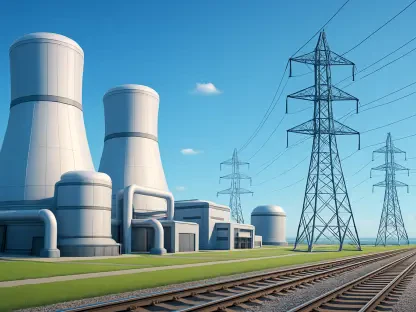
The disruption originated at the Lakvijaya coal-fired power complex, a 900-megawatt facility located north of Colombo that remains the cornerstone of the island’s baseload power. When a single generator malfunctioned, it instantly removed 300 megawatts of capacity from the national system, a deficit far too large for the remaining units to absorb. This sudden drop in system frequency triggered automatic safety protocols, yet the speed of the collapse overwhelmed these failsafes, cascading through the transmission network until the entire grid went silent. For approximately eleven hours, technical teams worked feverishly to restore service, but the process was marred by the complexity of restarting massive thermal units alongside a highly decentralized network. To manage the ongoing deficit while the damaged unit remains offline, the state utility implemented rolling one-hour power cuts during peak evening blocks, a measure expected to persist for several days as crucial repairs are being completed.
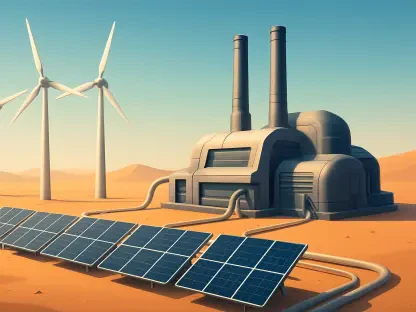
Driven by generous government tax incentives, rooftop solar capacity has surged to over 3,000 megawatts, frequently exceeding the total daytime demand which fluctuates between 2,000 and 2,500 megawatts. This surplus should be a boon for a developing economy, yet the infrastructure struggles to absorb this energy effectively, as seen in a similar February 2025 collapse where solar generation surpassed consumption on an exceptionally sunny day. During the October 17 restart, the high volume of decentralized power feeding into the grid made stabilization difficult, as authorities had to repeatedly urge solar owners to manually disconnect their systems to prevent further imbalances. This recurring trend of instability suggests that the transition toward a greener future is currently hitting a wall where the physical infrastructure cannot keep pace with the rapid adoption of decentralized technologies, highlighting a need for more robust control mechanisms over private energy contributions.
Strategic Response: Modernization and Future Stability
To prevent future crises, the government prioritized comprehensive grid modernization and improved coordination with private solar contributors. State energy planners recognized that the reliance on a handful of large-scale coal units created a single point of failure that the burgeoning solar sector could not yet support. Future strategies incorporated automated demand-response systems and localized micro-grids that could operate independently during a national failure. Moving forward, authorities explored incentivizing household battery storage to dampen the midday surge and provide a buffer during evening peak hours. The outage underscored a critical vulnerability that required immediate policy shifts toward diversifying energy storage rather than just increasing raw generation. By fostering a more resilient and flexible infrastructure, the nation aimed to ensure that its ambitious green energy goals did not inadvertently lead to further economic disruption while maintaining a steady flow of power for all citizens.
Sri Lanka aims to reach nearly 4,400 megawatts of solar capacity shortly, representing a massive 388 percent increase from the levels recorded in 2024. However, the existing transmission lines and transformer stations were never intended to handle bidirectional flow at such a massive scale. When the sun is at its peak, the grid becomes saturated with energy it cannot store or move to areas of lower production. Without massive investment in grid-scale battery storage or advanced smart-grid management software, the discrepancy between energy production and system capacity will continue to widen. The integration of renewables necessitated a balanced approach where technological upgrades matched the pace of environmental goals. Ultimately, the government moved to strengthen the legislative framework surrounding renewable integration, ensuring that private solar providers could be managed more effectively during emergencies to prevent the type of cascading failures that defined the recent energy crisis.