
A meticulously planned retirement for a decades-old Colorado coal plant was abruptly canceled with less than 48 hours’ notice, igniting a national debate over the balance of power in America’s energy future. This last-minute federal intervention has pitted the national goal of maintaining a stable power grid directly against a state’s sovereign strategy to embrace cleaner, more economical energy sources. The decision raises a critical question: as the nation navigates a complex energy transition, who has the final say—the states charting their own course or the federal government safeguarding the entire system?
An Eleventh-Hour Order Reverses a Coal Plant’s Retirement
Just two days before its planned permanent closure, the 446-megawatt Craig Unit 1 power plant received an unexpected directive from the U.S. Department of Energy (DOE). On December 30, DOE Secretary Chris Wright invoked emergency authority under the Federal Power Act, ordering the plant’s operator, Tri-State Generation and Transmission Association, to keep the facility operational for another 90 days. This sudden reversal upended a multi-year strategy, forcing a plant on the brink of retirement back into service.
This intervention is not an isolated event but rather part of a developing pattern. Over the past year, the DOE has issued similar 90-day emergency orders to prevent the closure of six other power plants across the country, five of which are coal-fired. These directives, often extended for subsequent periods, signal a growing federal readiness to step in when it perceives a threat to regional electricity supplies, creating uncertainty for utilities and state regulators alike.
The Core Conflict: Grid Stability vs. State-Led Green Transitions
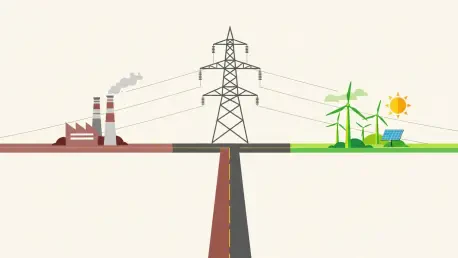
The situation at Craig Unit 1 crystallizes a fundamental tension shaping the modern energy landscape. On one side, the federal government holds a mandate to ensure the reliability of the national power grid, a responsibility that becomes more acute during periods of extreme weather and rising electricity demand. From this perspective, retiring traditional power sources like coal without ironclad replacements poses an unacceptable risk of blackouts.
In contrast, individual states like Colorado are pursuing strategic, long-term plans to transition away from fossil fuels toward renewable energy. These roadmaps are driven by a combination of environmental goals, economic pressures, and public demand for cleaner power. The ongoing retirement of the nation’s aging coal fleet is a central pillar of this transition, but as the Colorado case demonstrates, these carefully laid plans can be instantly derailed by federal oversight.
A Tale of Two Plans: When Federal Mandate Collides with State Strategy
The federal justification for the emergency order hinges on the argument that the Rocky Mountain region faces a potential power shortfall. Citing a North American Electric Reliability Corporation (NERC) assessment alongside other internal reports, the DOE asserted that the combination of growing demand and accelerated power plant retirements could compromise grid stability. This rationale positions the federal government as the ultimate arbiter of grid security, empowered to override local decisions in the name of the national interest.
However, this federal emergency declaration stands in direct opposition to a five-year plan meticulously developed by Tri-State and validated by state regulators. The utility had planned the unit’s retirement based on both economic and environmental factors, concluding it was no longer a viable asset. More significantly, the Colorado Public Utilities Commission had already reviewed and approved Tri-State’s comprehensive resource plan, officially determining that the plant’s closure would not jeopardize the reliability of the state’s power supply.
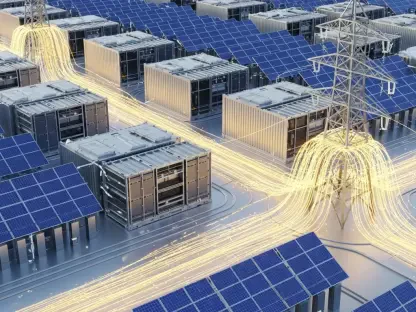
To support its transition away from the coal plant, Tri-State had already made substantial investments in replacement capacity. The utility had proactively secured 550 megawatts of battery storage, 200 megawatts of wind power, and 100 megawatts of solar energy. These new resources were specifically intended to ensure a stable and resilient grid following Craig Unit 1’s retirement, a forward-looking strategy that the federal order has now put on hold.
Voices from the Front Lines on the Power Struggle
The financial repercussions of the federal mandate are significant. Tri-State CEO Duane Highley expressed concern over the “financial burden” the order places on the cooperative’s members. The plant, which first began operating in 1980, has become increasingly inefficient, with its operating costs consistently exceeding the price of wholesale power. Forcing it to run introduces an unplanned economic strain that will ultimately be passed on to consumers.
An independent analysis by the consulting firm Grid Strategies quantifies this financial impact, estimating that operating the aging and inefficient plant for the mandated 90 days will cost approximately $21 million. This figure underscores the economic consequences of prioritizing short-term operational readiness over a planned, cost-effective energy transition. This expert assessment, combined with state-level regulatory findings, reinforces the argument that the federal intervention carries a steep and avoidable price tag.
Navigating the Impasse Over the Future of Energy Governance
This federal action in Colorado established a powerful precedent that could affect other states actively pursuing clean energy transitions. It introduced a new layer of uncertainty, where long-term, state-approved plans can be overturned at the last minute by a federal emergency declaration. The central question that emerged was how to reconcile the legitimate federal interest in grid reliability with the essential role of state autonomy in shaping energy policy for residents.
Resolving this impasse called for a new framework of collaboration between federal and state authorities. It required modernizing grid infrastructure to better integrate renewable energy sources and investing in advanced technologies like long-duration storage that could address reliability concerns without resorting to keeping aging fossil fuel plants online. Moving forward, the focus shifted toward developing more integrated planning processes that allowed federal oversight to support, rather than undermine, the nation’s collective environmental and economic goals.