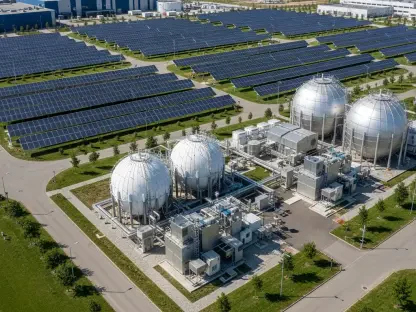

The transformation of the American heartland into a powerhouse of renewable energy is no longer a distant vision but a concrete reality as the nation reaches a massive 279 GW of installed solar capacity. This shift represents a fundamental realignment of how the Midwest contributes to the national grid, moving beyond traditional manufacturing into the realm of high-tech energy production. At the center of this evolution is EDP Renewables North America, a developer that has successfully navigated the complexities of the regional landscape to establish a dominant presence in Indiana.
By integrating large-scale utility projects with the specific decarbonization goals of global corporations, the energy sector is effectively rewriting the playbook for infrastructure development. This synergy is further strengthened by the rapid adoption of advanced battery storage solutions, which act as a vital buffer against the natural fluctuations of solar intensity. Consequently, the combination of technological innovation and strategic regional investment is ensuring that clean energy remains a reliable and permanent fixture of the national power supply.
Catalysts for Growth and the Numbers Powering the Transition
The Rise of Corporate Power Purchase Agreements and Sustainability Mandates
The expansion of the solar sector is increasingly fueled by the ambitious net-zero commitments of technology giants, with Amazon leading the charge through a 25-year commitment to the Riverstart III project. This long-term dedication to purchasing clean energy provides developers with the financial certainty needed to break ground on massive infrastructure projects that might otherwise struggle to find traditional backing. By securing every megawatt produced by this new phase, Amazon is not just buying power but is actively funding the decarbonization of the Indiana grid.
Market drivers are shifting as both investors and consumers demand higher levels of transparency regarding corporate environmental footprints. These sustainability mandates have turned renewable energy procurement into a competitive advantage for tech firms aiming for carbon neutrality by 2040. Furthermore, these multi-decade contracts stabilize energy prices for the corporations while injecting consistent capital into the renewable sector, creating a self-sustaining cycle of growth that benefits both the environment and the corporate bottom line.
Quantifying the Impact of the Riverstart Solar Complex and National Capacity
The sheer scale of the Riverstart Solar Park in Randolph County illustrates the rapid pace of expansion, with the third phase bringing the total operational capacity to 300 MW. This milestone cements Indiana’s status as a leader in the Midwest, as EDP Renewables North America now manages a sprawling 1.7-gigawatt portfolio across the state. The ability to power 19,000 homes annually through just one phase of a single project highlights the efficiency gains that modern utility-scale solar installations are achieving today.
Beyond the environmental statistics, the fiscal contributions to the local community are equally impressive. Projections indicate that the project will generate over $32 million in tax revenue for the county, providing essential funding for schools, roads, and emergency services. Additionally, with $28 million earmarked for landowner payments, the project serves as a significant economic stabilizer for rural families. This dual impact ensures that the transition to clean energy provides tangible benefits to the local residents who host the infrastructure.
Navigating the Complexities of Scaling Renewable Infrastructure
Expanding the footprint of renewable energy requires more than just installing panels; it demands sophisticated grid management to handle the intermittent nature of sunlight. Engineers are utilizing advanced forecasting tools and localized storage to ensure that the influx of solar power does not disrupt the delicate balance of the regional electricity market. This proactive approach to reliability is essential for gaining the trust of traditional utility operators and ensuring long-term grid stability.
Logistical hurdles also remain a constant challenge, particularly when managing multi-stage developments that span several years and thousands of acres. Balancing the land requirements of solar arrays with the interests of the local agricultural community requires a high degree of sensitivity and transparent communication. Developers are increasingly finding ways to harmonize energy production with existing land uses, ensuring that the growth of the solar industry does not come at the expense of Indiana’s rich farming heritage.
The Regulatory Landscape and Policy Drivers Behind Clean Energy
Support from the Department of Energy has played a pivotal role in accelerating the adoption of solar technology by reducing the perceived risks for private investors. This federal backing, combined with state-level fiscal policies, has created a fertile environment for infrastructure projects to flourish in Indiana. Tax incentives designed to reward long-term capital investment have made the state an attractive destination for global developers looking for a stable regulatory framework.
Legal frameworks surrounding long-term Power Purchase Agreements have also matured, providing a clear path for compliance and contract enforcement. As national energy security standards become more stringent, local infrastructure investments are increasingly viewed through the lens of domestic resilience. This alignment between national security goals and local economic development creates a powerful incentive for policymakers to continue supporting the expansion of the renewable energy sector.
The Road Ahead for Indiana’s Sustainable Energy Grid
Indiana is rapidly emerging as a central hub for the national energy transition, proving that the Midwest can lead in high-tech energy production just as it did in manufacturing. Future growth will likely be defined by the deeper integration of artificial intelligence into grid management and the deployment of even more efficient storage technologies. These innovations will allow the state to export its surplus clean energy to neighboring regions, further boosting its economic standing.
However, the industry must remain vigilant regarding global economic conditions and the fluctuating costs of hardware components like solar cells and mounting systems. Any disruption in international supply chains could potentially slow the pace of installation or increase project costs. Despite these potential disruptors, the long-term trajectory for corporate-led investments remains strong, as the economic case for solar power has become nearly impossible to ignore.
Synthesizing the Economic and Environmental Legacy of Amazon’s Solar Investment
The collaboration between Amazon and EDP Renewables North America established a blueprint for how the private sector can drive public infrastructure improvements. This model demonstrated that large-scale environmental initiatives are most successful when they are tied directly to local fiscal growth and long-term community benefits. By bridging the gap between corporate sustainability mandates and rural economic needs, the project offered a clear path forward for other regions looking to modernize their energy grids.
Ultimately, the successful integration of Riverstart III into the Indiana power landscape proved that renewable energy could serve as a reliable foundation for regional development. The initiative provided actionable insights into managing land use and balancing stakeholder interests, suggesting that future projects should prioritize early community engagement and transparent tax benefit structures. These efforts solidified a legacy of environmental health and economic resilience that will support the state for decades.