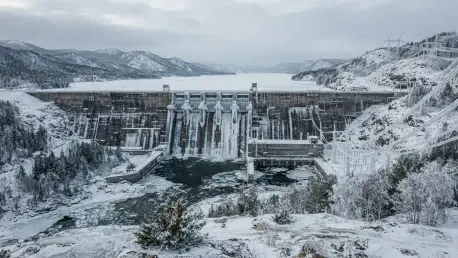

Atmospheric icing on transmission lines frequently causes electrical disturbances that force hydroelectric plants to execute emergency shutdowns to protect internal machinery. In the subarctic city of Oulu, Finland, a 40-megawatt hydroelectric plant recently served as a stark case study for the vulnerabilities inherent in northern energy infrastructure. Over a mere fifteen-hour window, the facility suffered three total turbine shutdowns, leaving engineers to grapple with a sequence of events that pushed the limits of the regional power grid. These failures were not the result of aging internal mechanical components or human error within the control room but were instead triggered by external atmospheric conditions that cascaded through the electrical distribution network. The resulting uncontrolled release of approximately six million cubic meters of river water forced massive, jagged sheets of ice into public parks and urban pedestrian areas. This event highlights a dangerous intersection between volatile weather and rigid engineering standards.
Atmospheric Impacts: The Physics of Rime Ice
The primary catalyst for the disturbance was a rapid accumulation of atmospheric icing along the regional high-voltage conductors. While initial reports from the plant operator suggested a heavy crown snow load was responsible, formal investigations by supervisory agencies identified rime ice as the true culprit. Rime ice forms when supercooled water droplets freeze instantly upon contact with cold surfaces, creating a dense, heavy coating that is much harder to shed than typical snowfall. As this ice builds up on the power lines, the added weight causes the conductors to sag significantly, changing their electrical properties and increasing the risk of arcing. Furthermore, when the ice eventually breaks loose due to wind or slight temperature shifts, the sudden loss of weight causes the lines to swing or gallop violently. These erratic physical movements generate massive electrical surges that modern protection relays interpret as critical faults, leading to the automatic tripping of the power plant’s turbines.
The frequency of these interruptions at the Oulu facility was described by grid experts as exceptional, occurring three separate times within a single day. Each time the protection systems detected a surge, all three main turbines were halted simultaneously to prevent catastrophic damage to the internal electromagnetic windings and bearings. While these automatic safety protocols are essential for preserving the long-term integrity of the plant’s 40-megawatt capacity, they create an immediate hydraulic problem that the dam’s physical structure must then manage. In a stable environment, the grid would absorb these minor fluctuations, but the severity of the rime ice event meant that the facility was essentially operating in a state of constant emergency. The repetitive nature of the shutdowns strained the coordination between the electrical transmission operators and the hydraulic engineers, revealing that subarctic infrastructure must be prepared for recurring atmospheric shocks rather than isolated weather events.
Infrastructure Limitations: The Failure of Bypass Mechanisms
Once the turbines have been forced offline, a hydroelectric dam must immediately redirect the oncoming river flow through its secondary bypass or floodgates to maintain a stable reservoir level. However, during this specific incident, the secondary safety systems failed to compensate for the stoppage because of localized ice accumulation within the water itself. Extreme cold temperatures had encouraged the growth of frazil ice and submerged ice masses, which collected beneath the water surface and physically jammed the lifting mechanisms of the steel intake gates. One gate failed to open entirely, while others moved at a fraction of their required speed, causing the water level behind the dam to rise rapidly. This mechanical paralysis meant that the facility could no longer adhere to its legal water permits, as the volume of the river far exceeded the remaining discharge capacity of the dam. The resulting buildup of pressure created a dangerous situation where water eventually surged over the structure.
The recurrence of gate failure at this facility points to a persistent engineering challenge that transcends simple maintenance schedules. A similar event occurred five years prior when a transformer fault led to a turbine dropout, and the floodgates similarly failed to operate automatically, bringing water levels to within inches of a record high. Despite subsequent upgrades to gate heating systems and revised winterization protocols implemented between then and 2026, the recent failure proves that subsurface ice remains an existential threat to dam safety in northern climates. This suggests that the mechanical design of traditional steel radial gates may be fundamentally mismatched with the realities of subarctic river dynamics where underwater ice is prevalent. Engineers are now forced to consider more radical modifications, such as deep-well heating elements or vibration-based de-icing technologies, to ensure that the bypass systems remain functional. The persistent nature of these vulnerabilities indicates that current standards are in need of revision.
Regional Accountability: Regulatory Shifts and Safety Standards
The environmental and public safety consequences of the uncontrolled water release were both immediate and visually striking. As the surge of water pushed six million cubic meters of fluid through the bypass gates, it dislodged massive slabs of river ice and propelled them into the Oulu Delta, specifically affecting the Ainolanpuisto and Hupisaaret park islands. These popular pedestrian areas were quickly inundated with ice blocks that were left stranded on dry ground once the water levels receded. Local fire and rescue officials were forced to issue emergency warnings to the public, noting that these massive ice piles were inherently unstable and prone to sudden collapse. The physical cleanup of the park paths was a secondary concern compared to the initial blackout that left 23,000 households without electricity for thirty minutes. While power was restored through regional grid redundancy, the event demonstrated that a single atmospheric trigger could simultaneously jeopardize both the electrical security of a city and the physical safety of its public spaces.
Regulatory agencies moved from a posture of simple observation to one of strict legal enforcement following the recurring failures at the Oulu site. The regional supervisory authority classified the bypass releases as potentially life-threatening and mandated that the plant operator provide a comprehensive technical overhaul of its emergency response systems. This shift in regulatory tone underscored a new consensus in the energy sector: while atmospheric icing on power lines was an unavoidable environmental reality, the failure of a dam to manage its own internal water levels was an unacceptable engineering outcome. To mitigate future risks, officials required the implementation of redundant sensing technologies that detected ice buildup on gate seals before a turbine trip occurred. The focus remained on ensuring that hydraulic infrastructure withstood the specific rime and snow loads common to Finnish winters without compromising public safety. These investigations provided a roadmap for other northern regions to harden their renewable energy assets.