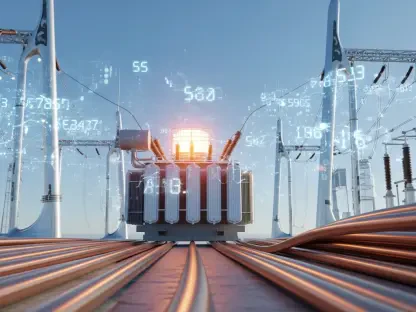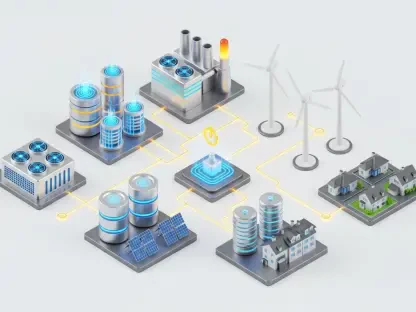

As electricity costs continue their upward climb and the stability of aging power infrastructure becomes a growing concern for millions of Americans, one state has pioneered a comprehensive legislative framework that could redefine how the nation manages its energy future. Illinois recently enacted the Clean and Reliable Grid Affordability Act (CRGA), a landmark piece of legislation designed to modernize its electrical grid, enhance reliability, and deliver substantial savings to consumers. Signed into law by Governor JB Pritzker, the act was a direct response to a challenging energy landscape, where a recent report highlighted a 15% increase in electric bills over the previous year, driven in part by price volatility in major energy markets. The Illinois Power Agency projects that the CRGA’s multifaceted approach will generate an estimated $13.4 billion in consumer savings over the next two decades, positioning the state as a potential trailblazer for national energy policy.
Harnessing Technology for Grid Stability
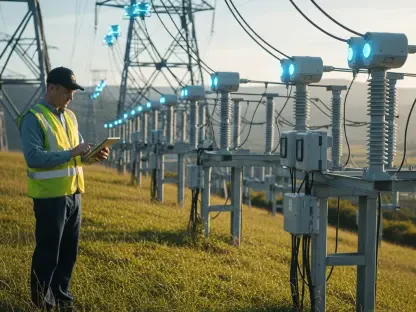
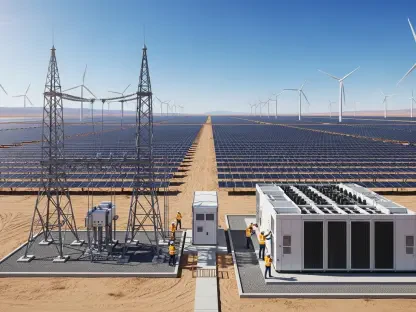
A central pillar of the CRGA is its ambitious mandate for energy storage, a critical component for integrating intermittent renewable sources like wind and solar. The law directs Illinois utilities to install 3 GW of grid-scale battery storage by 2030, a significant commitment that aims to create a more resilient and flexible power system. This large-scale deployment will allow the grid to capture excess energy generated during periods of low demand and high renewable output, storing it for dispatch when demand peaks. By providing this on-demand power, battery storage can help smooth out price spikes, reduce the need for expensive and often fossil-fuel-powered “peaker” plants, and ensure a more consistent supply of electricity. This proactive investment in storage technology represents a foundational shift from a reactive to a predictive grid management strategy, fundamentally altering how the state balances its energy supply and demand equation for decades to come.
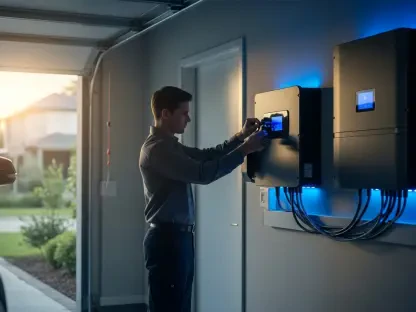
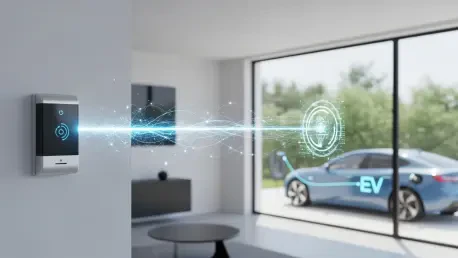
In a parallel move to manage grid demand from the consumer side, the law requires utilities to establish innovative virtual power plant (VPP) programs. These programs are designed to aggregate and orchestrate thousands of distributed energy resources, such as residential batteries, smart thermostats, and electric vehicle chargers, into a single, coordinated entity. By compensating customers for the demand flexibility of their personal devices, VPPs can collectively reduce strain on the grid during peak hours without building new, centralized power plants. This decentralized approach not only empowers consumers to participate actively in the energy market but also provides utilities with a powerful tool for dynamic load management. Utility companies like Ameren Illinois have voiced support for this strategy, recognizing that VPPs, alongside energy efficiency and demand response, will be crucial in navigating the clean energy transition and maintaining affordability for all customers.
A Blueprint for Efficiency and Clean Energy Expansion
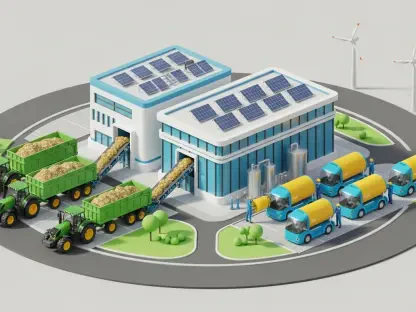
Beyond high-tech grid solutions, the CRGA places a strong emphasis on reducing overall energy consumption through a significant expansion of energy efficiency initiatives. The legislation mandates substantial budget increases for utility-run efficiency programs, with funding for Ameren set to roughly double and Commonwealth Edison’s budget rising by 25%. This infusion of capital will support a wider range of programs aimed at helping homes and businesses reduce their energy use through improved insulation, modern appliances, and updated HVAC systems. Crucially, the law also triples the minimum amount that utilities must dedicate to income-qualified programs, raising the threshold to 25% of their total efficiency spending. This provision ensures that the benefits of energy efficiency, including lower utility bills and improved home comfort, are accessible to the state’s most vulnerable residents, promoting greater equity in the clean energy transition.
The comprehensive nature of the legislation is further demonstrated by several other supportive measures that create a robust ecosystem for clean energy development. The law strategically lifts the state’s moratorium on the construction of large-scale nuclear reactors, acknowledging the role of nuclear power in providing firm, carbon-free energy. It also doubles the maximum size of community solar projects to 10 MW, making solar energy more accessible to residents who cannot install panels on their own properties. Furthermore, the CRGA establishes a more flexible integrated resource planning process, allowing state agencies to adjust energy targets as technology and market conditions evolve. By tying the state’s Renewable Portfolio Standard budget cap to inflation and establishing a “solar bill of rights” for consumers, the act provides the long-term stability and consumer protections needed to foster sustained investment and growth in the clean energy sector.
An Integrated Path Forward
The passage of the Clean and Reliable Grid Affordability Act marked a pivotal moment for Illinois, establishing a holistic and forward-thinking strategy that addressed the interconnected challenges of cost, reliability, and decarbonization. Utility leaders acknowledged the law as a positive step but also underscored the ongoing work required to meet surging power demand while ensuring the grid remains dependable and affordable. The legislation’s success was ultimately rooted in its integrated approach, which recognized that no single solution could solve the complexities of modernizing an energy grid. By combining ambitious targets for energy storage, innovative VPP programs, and a deep commitment to energy efficiency, the state created a powerful, multifaceted framework that other regions could study and adapt to their own unique energy landscapes.