
Christopher Hailstone brings a wealth of knowledge in grid reliability and renewable energy delivery to the table during a pivotal moment for the Indian automotive sector. As the industry undergoes a seismic shift toward sustainability, his insights into how energy management intersects with consumer behavior offer a unique perspective on the nation’s path toward decarbonization. This conversation explores the rapid rise of alternative fuel vehicles, which now account for nearly one-third of the market, and examines the infrastructure and regulatory forces shaping this green transition.
How are geopolitical tensions and oil import dependencies specifically influencing consumer behavior, and what role do rising fuel costs play in this rapid adoption?
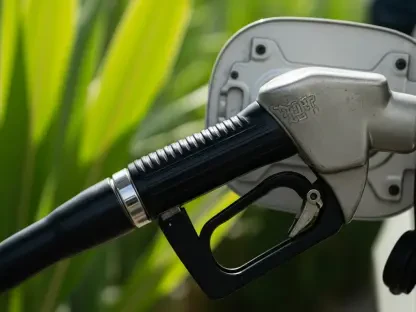
The shift we are seeing is a direct reaction to the volatility of global energy markets, particularly the supply concerns stemming from tensions in West Asia. Consumers are feeling the pinch at the pump, which makes the lower running costs of electric and CNG vehicles incredibly attractive right now. Last year, sales of these cleaner alternatives surged by 31 percent to 1.34 million units, significantly outpacing the 13 percent growth seen in the broader passenger vehicle market. It is no longer just an environmental choice; it is a strategic financial decision for Indian households looking to insulate themselves from unpredictable oil import costs.
Infrastructure for charging and CNG distribution is expanding alongside a 31 percent surge in alternative fuel sales. What specific operational milestones have manufacturers achieved to keep up with this demand?
Manufacturers are aggressively diversifying their assembly lines to manage a complex mix of powertrains, moving away from a petrol-only mindset to stay competitive. First, they have expanded product availability across every major price segment, ensuring that a cleaner option exists for both budget and premium buyers. Second, companies have hit major volume milestones, with total electric vehicle sales crossing the 200,000-unit threshold for the first time this past year. Finally, they are coordinating with infrastructure rollouts to ensure that as the Vahan portal records more registrations, the physical presence of charging points and CNG stations keeps pace.
What metrics are companies using to gauge the success of new electric SUVs, and how does the current popularity of these larger vehicles impact long-term emission reduction goals?
Success is being measured by the rapid mainstreaming of these vehicles, where models like the Punch EV are no longer niche products but high-volume drivers. For instance, Tata Motors saw its electric vehicle sales jump a staggering 43 percent to reach 92,000 units, while their CNG sales grew 24 percent to 170,000 units. The popularity of SUVs is a significant win for emission goals because these are the vehicles that typically consume the most fuel and see the most mileage. Watching a heavy SUV glide silently through city traffic without a tailpipe is a powerful sensory reminder of how far our decarbonization efforts have come.
With several new electric models entering the market and emission regulations tightening, what technical hurdles must manufacturers overcome to meet these stricter norms?
To reach a 15 percent market share by the end of the decade, manufacturers must solve the technical puzzle of range anxiety while adhering to increasingly stringent emission standards. We are seeing a wave of sophisticated launches, such as the e-Vitara from Maruti Suzuki and the XEV 9e from Mahindra, which are designed to compete directly with traditional internal combustion engines. Legacy automakers are essentially in a race to re-engineer their platforms to accommodate heavy battery packs without sacrificing the performance consumers expect. This competitive heat is driving innovation at a pace we have not seen in decades, turning the showroom floor into a battleground for the future of mobility.
What is your forecast for the clean fuel vehicle market in India?
Looking ahead, I expect the momentum for alternative fuels to become the dominant force in the Indian automotive landscape. While electric vehicles currently represent about 4 percent of the market, the convergence of better infrastructure and a flood of new models suggests we will hit the 13 to 15 percent market share target by 2030. As legacy players and newcomers like VinFast or Kia India saturate the market, the sheer variety of options will make clean energy the default choice rather than the alternative. This transition will solidify India’s position as a global leader in sustainable transportation, fundamentally changing how the nation moves.