
A Proactive Stance in the Face of the Storm
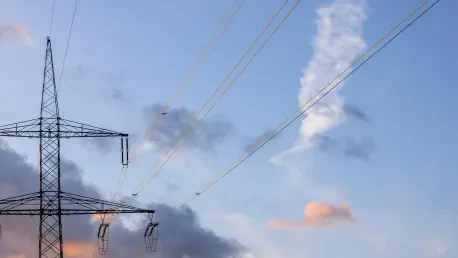
As Winter Storm Fern bears down on the nation, a sense of déjà vu hangs in the frigid air, shadowed by the memory of catastrophic grid failures from winters past. Yet, this time, the response is different. A sweeping, multi-layered mobilization is underway, involving every level of the U.S. electric sector, from federal agencies to local utilities. This article explores the comprehensive preparations being made to avert another widespread power crisis, analyzing the proactive federal interventions, the complex trade-offs of emergency power, and the persistent systemic vulnerabilities that challenge the grid’s resilience. It seeks to answer a critical question: Have the painful lessons from past disasters truly prepared the U.S. grid to withstand the worst of winter?
The Lingering Shadow of Winter Storm Uri
To understand the intensity of the current preparations, one must look back to the devastating impact of Winter Storm Uri in 2021. That event triggered a cascading failure of the Texas power grid, leaving millions without electricity in freezing temperatures for days and resulting in hundreds of deaths. Uri exposed critical weaknesses in grid infrastructure, particularly a lack of weatherization for power plants and natural gas facilities. The storm became a watershed moment, forging an industry-wide consensus that reactive responses are insufficient. It catalyzed sweeping reforms and underscored the absolute necessity of proactive coordination, robust winterization standards, and a reevaluation of grid reliability in an era of increasingly extreme weather.
A Multi-Front Strategy for Grid Resilience
Federal Intervention Creates an Unprecedented Last Resort
In a significant departure from standard procedure, the U.S. Department of Energy (DOE) has stepped in preemptively. Energy Secretary Chris Wright announced preparations to issue emergency orders under Section 202(c) of the Federal Power Act, a tool that allows the federal government to mandate actions to preserve grid reliability. Grid operators have been instructed to be ready to dispatch up to 35 gigawatts (GW) of available backup generation as a final buffer, specifically to be used just before an Energy Emergency Alert (EEA) 3 is declared—the last step before initiating controlled blackouts. This top-down directive is designed to act as a crucial safety net, preventing widespread service interruptions that could impact millions of customers.
The Hidden Costs of Emergency Generation
While the 35 GW of backup power offers a powerful defense, its source reveals a complex and contentious trade-off. According to analysis from Public Citizen’s Energy Program, this capacity largely consists of diesel-powered generators at private facilities like data centers and commercial buildings. These units are not typically integrated into the grid, making their coordinated dispatch a significant operational challenge. More critically, energy program analysis highlights the “massive harm to public health” that would result from running these highly polluting diesel units for extended periods. This reveals a stark choice facing authorities: in the quest for short-term reliability, they are turning to solutions with substantial negative environmental and social externalities.
From Regional Operators to Local Utilities: A Coordinated Defense
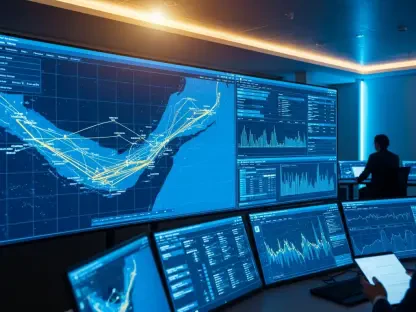
The lessons of Uri are most evident at the regional and state levels. The Electric Reliability Council of Texas (ERCOT), the epicenter of the 2021 crisis, has issued a weather watch but projects normal grid conditions, citing improved coordination with state agencies. This cautiously optimistic stance is a direct result of the post-Uri reforms. Similarly, the New York Independent System Operator (NYISO) reports adequate generation but remains vigilant about fuel security for power plants, a known vulnerability during prolonged cold snaps. This readiness extends to local utilities on the front lines. Houston’s CenterPoint Energy has mobilized over 3,000 personnel, New Jersey’s PSE&G has crews on 24/7 standby, and Dominion Energy in the Southeast has activated its emergency operations center, all while communicating preparedness advice directly to customers.
Systemic Vulnerabilities in a Modernizing Grid
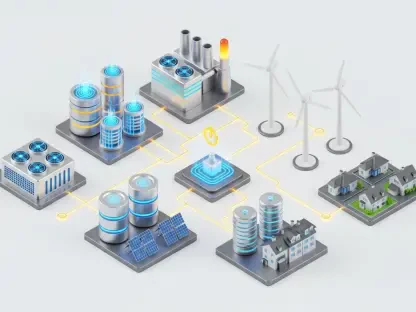
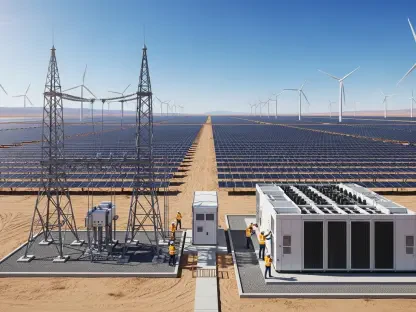
Beyond immediate storm preparations, a deeper, structural vulnerability looms over the U.S. grid. Equity analysis from Jefferies points to a precarious convergence of trends: the explosive growth of high-demand data centers, an increasing reliance on intermittent renewable energy sources, and the steady retirement of traditional baseload power plants. This evolving energy mix creates a “vulnerable situation,” especially during extreme weather. A high-profile grid failure, particularly in a tech-heavy market like Texas, could trigger significant regulatory and stakeholder backlash against the unchecked expansion of data center demand, which is currently outpacing the development of new, reliable generation.
Takeaways for a More Resilient Future
The comprehensive response to Winter Storm Fern demonstrates a paradigm shift toward proactive grid management. Key takeaways are clear: federal authorities are now willing to intervene preemptively, coordination between regional operators and local utilities has markedly improved, and the industry is leveraging all available resources. However, the reliance on polluting backup generators highlights the difficult compromises being made. To secure long-term reliability, utilities and grid operators must continue investing in weatherization and fuel supply assurance. Regulators, meanwhile, face the challenge of balancing immediate reliability needs against long-term environmental goals and ensuring that the build-out of new demand is matched by adequate generation.
The Unfinished Task of Securing America’s Power
The massive, coordinated effort to brace for Winter Storm Fern was a testament to the hard-learned lessons of the past. It showcased a grid that was more prepared, more communicative, and more unified in its mission to keep the power on. However, this response also illuminated the underlying fragility of a system in transition. The tension between rising electricity demand, the shift to renewables, and the physical realities of extreme weather remained the central challenge of our time. While the U.S. grid may have successfully navigated this winter’s crisis, the ultimate goal was not just to survive the next storm, but to build a truly resilient, reliable, and sustainable energy infrastructure for the future.