
The streets of Delhi are currently undergoing a massive transformation as the government rolls out a bold blueprint to replace fossil fuel dependency with a sustainable electric ecosystem. This aggressive shift aims to tackle the city’s persistent air quality issues by setting a target of 30% electric vehicle adoption by 2030. By integrating infrastructure mandates with strict registration timelines, the policy seeks to reshape how millions of residents commute every day.
This article examines the specific mechanisms of the updated policy, focusing on the expansion of charging networks and the transition of various vehicle segments. Readers will gain a clear understanding of how these changes affect manufacturers, consumers, and the broader urban environment. The following sections address the most critical questions regarding the implementation and long-term viability of this ambitious plan.
Key Questions About Delhi’s Electric Transition
How Will the Government Expand Charging Infrastructure?
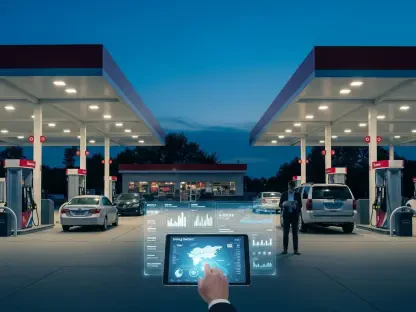
A primary concern for any prospective electric vehicle owner is the availability of reliable charging points across the city. To address this, the new policy mandates that every vehicle dealership in the capital must install at least one public charging station on its premises. With approximately 400 dealerships currently active, this requirement creates an immediate, decentralized network that significantly reduces range anxiety for new buyers.
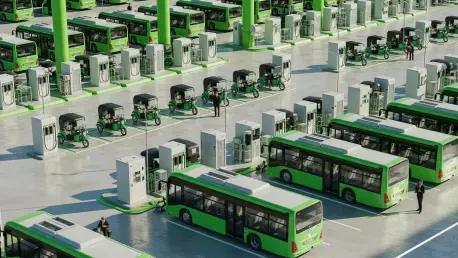
Furthermore, the Transport Department is repurposing existing assets by electrifying nearly 80 bus depots. These facilities will not only serve the growing fleet of electric public transit buses but will also be accessible to private vehicle owners. This dual-use strategy is essential for reaching the long-term goal of 30,000 charging stations, ensuring the grid remains robust as demand increases through 2030.
What Are the Timelines for Mandatory Electric Registration?
The government has established a clear and uncompromising roadmap for phasing out internal combustion engines in the most common vehicle categories. Starting next year, the city will move toward a model where only electric versions of three-wheeled autos are permitted for new registration. This move targets a sector that is vital for last-mile connectivity and operates almost continuously throughout the day.
Following the transition of autos, the policy sets its sights on the massive two-wheeler market, with a total shift to electric-only registrations scheduled for 2028. Since two-wheelers make up two-thirds of the total vehicle fleet and contribute a quarter of vehicular emissions, this focus is the most impactful part of the strategy. Manufacturers are now pressured to stabilize pricing and ensure a steady supply to meet this looming regulatory deadline.
Is the City Prepared for Such a Rapid Shift?
Data suggests that Delhi is already leading the national trend, with electric vehicle registration rates nearly doubling the national average. Last year, the city reached a 14.9% adoption rate, demonstrating a strong appetite for cleaner technology among the public. To support this momentum, power distribution companies like BSES and nodal agencies are actively upgrading the electrical grid to prevent overloads as thousands of new vehicles plug in simultaneously.
To ensure the transition remains equitable, the government is providing financial incentives for two-wheeler purchases while working with industry leaders to maintain affordability. This collaborative approach between the state, power utilities, and private manufacturers aims to create a unified ecosystem. By addressing both the cost of entry and the infrastructure gap, the policy seeks to make electric mobility the default choice for all residents.
Summary of Policy Impact
The initiative successfully bridged the gap between ambitious environmental goals and practical urban planning. By requiring dealerships to participate in infrastructure development, the city effectively offloaded some of the logistical burdens of the transition to the private sector. The strategy also highlighted the importance of targeting high-emission segments like two-wheelers to achieve maximum air quality improvements.
Significant progress occurred in grid management and public transit electrification, providing a foundation for future growth. The policy established a clear precedent for other metropolitan areas struggling with pollution and traffic congestion. These efforts ensured that the infrastructure could scale alongside the rising number of electric vehicles on the road.
Final Thoughts on Sustainable Mobility
As the city moves closer to the 2030 target, the focus must shift toward maintaining the quality and accessibility of the newly built infrastructure. Future considerations should include the recycling of lithium-ion batteries and the integration of renewable energy sources into the charging grid to ensure the lifecycle of these vehicles is truly green. Residents should monitor these developments as the transition influences property values and personal transport costs.
The success of this model depends on continuous cooperation between the public and the private sector. Staying informed about subsidy updates and new charging locations will be vital for anyone planning a vehicle purchase in the coming years. Ultimately, this policy serves as a living experiment in how a densely populated city can pivot toward a cleaner, more efficient future.