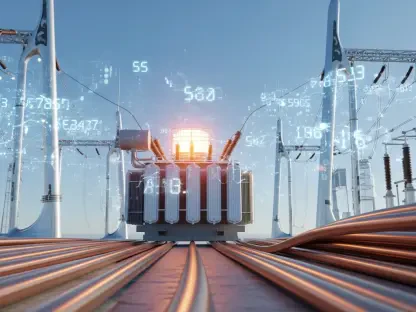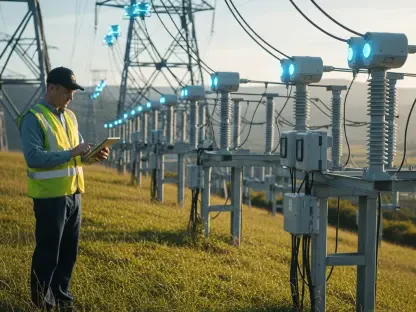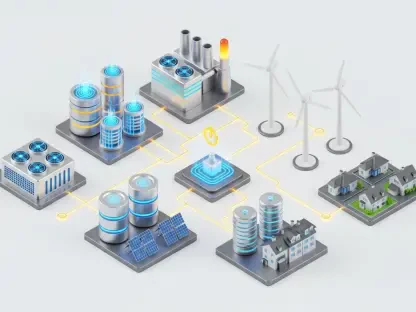

The narrative of artificial intelligence as a voracious and potentially catastrophic consumer of electricity has firmly taken root, stoking fears that this technological revolution could single-handedly derail global climate goals. This rising tide of concern, however, often overlooks the broader context of industrial energy use and the ongoing global transition toward electrification. When viewed through a wider lens, the alarm over AI’s power demands begins to look less like a measured response and more like a focused hysteria that misidentifies the true scope of the challenge. The central question is not whether AI consumes energy, but whether its consumption is a unique and unmanageable threat compared to the myriad other industries powering the modern world. Treating AI as a singular villain in the climate debate obscures the more complex reality of our energy future, where all sectors, new and old, will increasingly rely on electricity, making the source of that power the most critical variable.
Putting AI’s Consumption into a Global Context
A dispassionate look at the data provides a much-needed dose of perspective on the scale of AI’s energy footprint. According to the International Energy Agency, all data centers worldwide accounted for approximately 1.5% of global electricity consumption in 2024, a figure projected to nearly double to just under 3% by 2030. Within this segment, the workloads specifically attributable to AI constitute a relatively small fraction, estimated to be between 5% and 15% of that total. The vast majority of data center energy is dedicated to powering the digital infrastructure that has become commonplace, including cloud storage, conventional online search, and video streaming services. Furthermore, the projected increase in electricity demand from data centers by 2030 represents only about 8% of the anticipated total growth in global electricity needs. This is a significant, yet far from dominant, share compared to the demand expected from the accelerating adoption of electric vehicles, the rising use of air conditioning, and the ongoing electrification of heavy industry.
When compared with established industrial sectors, AI’s energy requirements appear even more manageable. The aluminum smelting industry, for instance, is a far more intensive consumer, responsible for about 4% of global power consumption, a figure that dwarfs the current and near-future projections for all data centers combined. Even the world of cryptocurrency presents a stark comparison, with Bitcoin mining alone consuming nearly 1% of the world’s electricity. In this light, singling out AI as a uniquely intolerable burden on the grid seems disproportionate. The more significant trend is the overall rise in global electricity demand, a challenge that is already being met with cleaner sources. In 2024, over 80% of the increase in global electricity supply was met by renewables and nuclear power. This indicates that the most effective strategy is not to stifle the growth of a specific high-value technology but to accelerate the build-out of clean generation capacity to meet the demands of an increasingly electrified world.
The Strategic Advantage of Clean Energy Jurisdictions
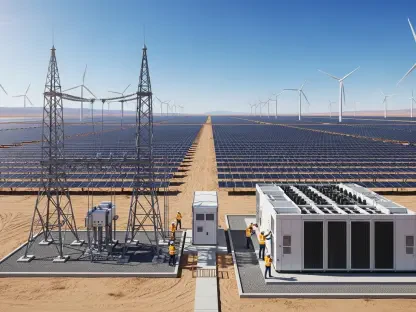
The debate over AI’s energy use should not be about if it will be developed, but where. The geographical location of AI data centers is a critical factor that can transform their environmental impact from a liability into a low-carbon reality. Canada, for example, stands out as an ideal location for sustainable AI development due to its significant clean energy advantage. With over 80% of its national electricity grid already being non-emitting, the country offers a powerful solution to the carbon footprint problem. Provinces such as Quebec and British Columbia, with their extensive hydropower resources, can host energy-intensive data centers while maintaining a minimal environmental impact. Projections from Canadian energy regulators confirm that the anticipated increase in demand from new data centers is a modest and manageable component of the country’s broader electrification strategy, fitting comfortably within planned capacity expansions designed to decarbonize the entire economy.
Conversely, rejecting AI workloads in clean-energy jurisdictions creates a dangerous scenario often referred to as the “coal trap.” If regions with abundant, non-emitting power turn away data centers due to localized concerns, the industry will not simply vanish. Instead, it will migrate to locations with less stringent environmental standards and grids heavily reliant on fossil fuels. This offshoring of demand would be a profoundly counterproductive climate action, as it would fail to reduce global energy consumption while simultaneously increasing the associated carbon emissions. The logical and responsible approach is to welcome AI as another industrial customer in a world rapidly shifting toward electrification. By strategically locating these facilities in areas powered by clean energy, it becomes possible to support technological innovation while advancing, rather than hindering, global decarbonization efforts.
A Path Forward Beyond the Hysteria
Ultimately, the conversation surrounding AI’s energy consumption matured into a more nuanced and productive dialogue. The technology was no longer framed as a pariah threatening to unravel environmental progress but was instead recognized as a powerful catalyst for accelerating the clean energy transition. This shift in perspective was crucial; it moved the focus from restricting a high-value technological sector to the more ambitious and necessary goal of building out sufficient clean energy capacity to power it, alongside every other facet of a modern, electrified economy. The challenge posed by AI’s power needs highlighted the urgency of upgrading and expanding grids with renewables and other non-emitting sources. This proactive approach treated AI not as a problem to be contained but as one more customer in a diverse and growing market for clean power, prompting an evolution in how industrial development and climate strategy were integrated for a sustainable future.