
The global energy landscape is navigating a complex transition, driven by the dual imperatives of meeting escalating electricity demand while simultaneously reducing environmental impact. In this evolving paradigm, gas generator sets have emerged as a pivotal technology, poised for significant expansion with a projected compound annual growth rate of 4.44% between 2025 and 2035. As industries and utilities seek power solutions that blend reliability with responsibility, gas gensets, which operate on cleaner fuels like natural gas and biogas, are systematically displacing their diesel counterparts. This shift is underpinned by their compelling advantages, including substantially lower emissions, reduced operational fuel costs, and alignment with increasingly stringent environmental regulations. Against a backdrop of rising global electricity consumption and persistent grid instability, these systems are solidifying their position as an indispensable solution for both primary and backup power applications worldwide, effectively forming a critical link to a more sustainable energy future.
The Driving Forces Behind Market Expansion
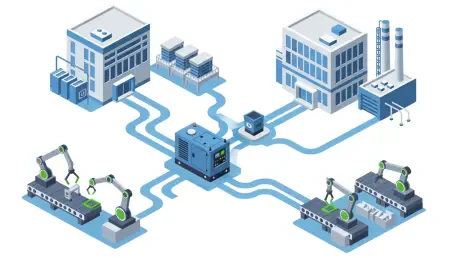
The fundamental utility of gas gensets extends across the residential, commercial, and industrial sectors, where they are deployed to provide continuous, standby, and peak-load power. Their inherent capacity to deliver a consistent and stable electricity supply with lower noise and emission profiles makes them exceptionally well-suited for critical infrastructure. This includes power-sensitive facilities such as data centers, hospitals, telecommunication towers, advanced manufacturing plants, and oil and gas operations, where any interruption in power is unacceptable. A key enabler of this market’s expansion is the improving accessibility of fuel, driven by the continued build-out of natural gas pipelines and the proliferation of liquefied natural gas (LNG) infrastructure. This development is particularly impactful in emerging economies, where it unlocks the potential for cleaner and more reliable localized power generation, reducing dependence on less stable national grids and more polluting fuel sources.
Several interconnected factors are combining to accelerate the market’s growth trajectory. The most significant driver is the universal demand for an uninterrupted and reliable power supply, a need that is amplified by the frequent power outages that affect developing and remote regions. This is coupled with a growing global preference for cleaner, low-emission power generation, a trend spurred by both corporate sustainability goals and government policies that actively promote cleaner fuels over traditional diesel. The increasing availability and relative cost-effectiveness of natural gas further strengthen the economic case for adoption, offering a financially viable path to decarbonization. Furthermore, the rapid expansion of digital infrastructure, especially energy-intensive data centers, creates a substantial and growing demand for dependable backup power. Collectively, these drivers are fostering the widespread adoption of captive and distributed power generation systems, where gas gensets play a central and increasingly dominant role across a diverse array of applications.
Innovation and Integration with Renewables
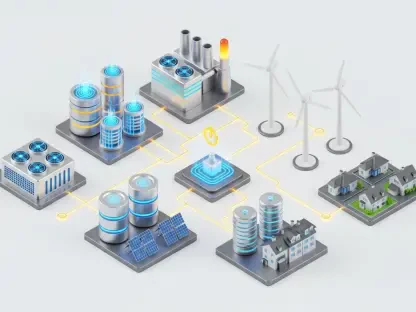
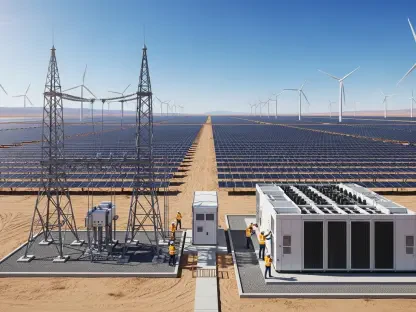
A crucial aspect of the gas genset market’s current momentum is its synergistic relationship with renewable energy sources. Gas gensets serve as a flexible and reliable backup for intermittent renewable power, such as solar and wind, which cannot generate electricity around the clock. By offering fast-start capabilities and superior load-following performance, they ensure grid stability when renewable generation fluctuates due to changing weather conditions. This makes them a vital component in modern hybrid power systems and distributed energy networks, enabling higher penetration of renewables without compromising the integrity of the electricity supply. In this capacity, they act not as a competitor to green energy but as a critical enabler, providing the foundational stability required for a successful and large-scale transition to a more sustainable energy mix. Their role is to bridge the gaps left by the inherent variability of renewable sources, ensuring a seamless and reliable power flow.
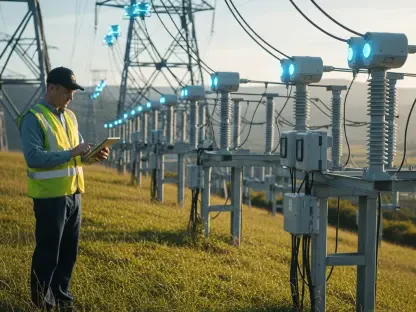
This complementary role is being consistently enhanced by significant and ongoing technological innovation. Modern gas engines feature advanced combustion systems that meticulously optimize fuel consumption, minimize the output of harmful emissions like NOx and CO2, and deliver higher power density. Concurrently, tangible improvements in engine durability and thermal efficiency are reducing long-term maintenance requirements and the overall lifecycle operating costs, making them a more attractive long-term investment. Digitalization is also revolutionizing genset operations. The integration of advanced control systems and smart monitoring solutions enables real-time performance tracking, remote diagnostics, and predictive maintenance. These capabilities allow operators to preemptively identify potential issues, minimize costly downtime, and significantly extend the operational life of the equipment. This is a feature of immense value in mission-critical settings where reliability is paramount.
A Global Perspective on Regional Dynamics
The growth of the gas genset market exhibits distinct regional characteristics that are shaped by local energy demands, the maturity of fuel infrastructure, and prevailing regulatory landscapes. North America commands a substantial market share, a position strongly supported by its abundant natural gas resources, robust pipeline infrastructure, and high demand from industrial facilities and the burgeoning data center sector. The region’s pronounced focus on emission reduction and energy resilience continues to drive the large-scale transition from diesel to gas-based power solutions for both prime and standby applications. In contrast, Europe represents a mature and environmentally conscious market where stringent emission norms and ambitious sustainability initiatives are the key drivers of adoption. In this region, gas gensets are widely deployed in commercial buildings, healthcare facilities, and district energy systems, with the increasing utilization of biogas and other renewable gases presenting significant opportunities for further growth and deeper decarbonization efforts.
The Asia-Pacific region is projected to be the fastest-growing market globally, a forecast fueled by its rapid industrialization, widespread urbanization, and soaring electricity consumption. Substantial investments in gas infrastructure and distributed generation systems are being made across the region to address persistent grid reliability challenges and meet the escalating power demand from a growing population and expanding economy. Meanwhile, Latin America is emerging as a promising market, bolstered by expanding industrial activity and the ongoing development of its natural gas resources. Gas gensets are increasingly being adopted for captive power generation in key sectors such as mining, manufacturing, and oil and gas. The Middle East and Africa are also experiencing steady growth, driven by large-scale industrial projects, extensive oil and gas operations, and the critical need for reliable power in remote and off-grid locations where grid access is limited or non-existent, making localized generation essential for economic development.
Charting the Path Forward
The global gas genset market underwent a period of sustained growth, which was underwritten by an energy paradigm that increasingly prioritized reliability, efficiency, and environmental stewardship. The powerful combination of strong market drivers, continuous technological advancements, and expanding adoption across all major regions reinforced the integral role gas gensets played in both standby and prime power applications. As industries and governments continued their quest for cleaner and more resilient energy solutions, these systems served as a critical and practical bridge, facilitating the transition from conventional power generation to a more sustainable future integrated with renewable energy systems. Their evolution from simple backup units to sophisticated, digitally integrated components of hybrid energy ecosystems, capable of operating on diverse fuels including hydrogen blends, cemented their legacy as a foundational technology that enabled a more stable and sustainable global power infrastructure.