
In a decisive move to combat the escalating climate crisis, Montgomery County has translated ambitious environmental pledges into a comprehensive series of tangible actions, setting a benchmark for local government initiatives across the nation. The county is actively pursuing aggressive environmental targets through a multifaceted approach that harmonizes government-led projects, deep community participation, and strategic investments in forward-thinking technology. This integrated strategy underscores a commitment to not only meeting but exceeding climate goals, demonstrating a proactive model for regional sustainability. The progress reported showcases a significant mobilization of resources and public will, aiming to secure a greener, more resilient future for its residents while navigating the complex challenges of environmental stewardship in the modern era.
A Multi-Pronged Approach to Sustainability
Community and Governmental Synergy
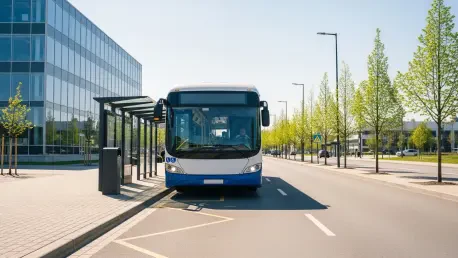
The backbone of Montgomery County’s environmental strategy is its 2025 Clean Action Plan, a detailed roadmap that has seen remarkable progress with work initiated on 80 of its 84 specified actions. This high rate of implementation reflects a coordinated effort between various county departments and a strong political will to drive change. Among the most visible accomplishments championed by County Executive Marc Elrich is a significant urban reforestation project, which has already resulted in the planting of 5,000 new trees. This initiative directly addresses carbon sequestration, improves air quality, and mitigates the urban heat island effect. In parallel, the county has adopted and begun enforcing new building regulations designed to drastically improve energy efficiency in both new constructions and existing structures, tackling one of the largest sources of greenhouse gas emissions. Furthermore, a bold policy to offer free transit on all Ride On buses was implemented to incentivize public transportation use, directly reducing the number of single-occupancy vehicles on the road and curbing transportation-related emissions.
Grassroots Engagement and Educational Initiatives
A key element of the county’s success has been its ability to foster widespread community involvement, turning a top-down plan into a collective, grassroots movement. The public school system has emerged as a major partner in this endeavor, with an impressive 113 schools achieving certification as green institutions. This reflects a deep integration of sustainability principles into educational curricula and school operations. Of these, 12 schools have earned the prestigious Maryland Green Schools designation, a state-level recognition of their comprehensive and sustained environmental efforts. This focus on education helps cultivate a new generation of environmentally conscious citizens. Beyond the classroom, individual homeowners have actively participated in the transition to renewable energy. To date, 315 households have taken the step of installing solar infrastructure, contributing to the decentralization of the energy grid and reducing reliance on fossil fuels. This level of public buy-in demonstrates that the county’s climate goals resonate with its residents, who are becoming active partners in building a more sustainable community from the ground up.
Navigating Future Challenges and Technological Solutions
Ambitious Goals and Looming Financial Hurdles
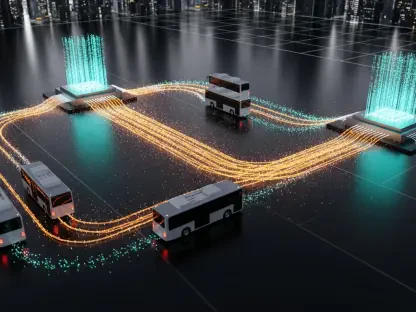
Looking toward the next fiscal year, Montgomery County is preparing to launch several high-impact initiatives aimed at accelerating its progress toward its formidable climate targets. Central to these plans is the ambitious goal of converting up to 25% of the county’s extensive Ride On bus fleet to zero-emission vehicles, a move that would significantly slash public transit-related pollution. This transition will be complemented by a strategic expansion of the Bus Rapid Transit (BRT) service, designed to offer a faster, more reliable, and more appealing alternative to personal car use. Furthermore, the county plans to substantially bolster its public infrastructure for electric vehicles (EVs), making it more convenient for residents to switch to cleaner transportation. These initiatives are critical components of the strategy to meet the aggressive goals of an 80% reduction in greenhouse gas emissions by 2027 and achieving full carbon neutrality by 2035. However, a significant challenge looms on the horizon: the anticipated loss of crucial federal funding for greenhouse gas reduction efforts. This is a critical concern, as the county received over $58 million in climate-related grants in the past year alone, funding that has been instrumental in launching many of these key programs.
Enhancing Resilience with Advanced Technology
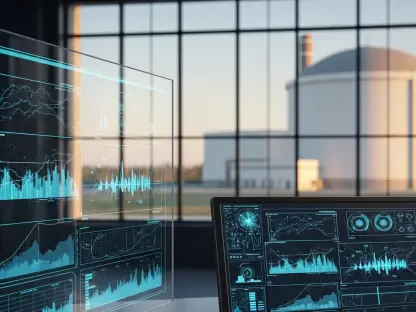
To buttress its climate adaptation and emergency preparedness capabilities, the county expanded its technological toolkit with the installation of a third Mesonet weather station. This sophisticated, solar-powered automated network provides a constant stream of real-time, hyperlocal weather data, including temperature, wind speed, and precipitation. The information is a vital asset for the county’s emergency management officials, enabling them to more accurately predict, prepare for, and respond to severe weather events like flash floods, heatwaves, and winter storms, which are increasing in frequency and intensity due to climate change. The strategic placement of these stations creates a comprehensive monitoring grid across the county. Beyond its immediate emergency applications, the data collected by the Mesonet network contributes to a long-term repository of valuable climate information. This repository has become an essential resource for researchers and policymakers studying local climate change trends, ensuring that future climate action strategies are based on the most accurate and relevant scientific evidence available. The strategic deployment of the Mesonet system, coupled with the groundwork laid in public transit and renewable energy, ultimately fortified the county’s infrastructure against climate-related uncertainties.