
Imagine a silent, invisible force accelerating the planet’s warming at a staggering rate, while simultaneously undermining the air quality in communities worldwide, yet it barely makes headlines compared to its more infamous cousin, carbon dioxide. This unseen culprit is methane, a greenhouse gas with a heat-trapping capacity over 80 times stronger than CO2 over a 20-year span. Though it lingers in the atmosphere for a shorter time, its impact is immediate and intense, contributing to nearly 30% of the current rise in global temperatures. This potency signals an urgent need to prioritize methane in climate discussions, yet misunderstandings about its sources and effects often keep it sidelined. Beyond warming, methane plays a deceptive role in public health crises, making it a dual threat that demands closer scrutiny. Delving into this issue reveals not just the scale of the challenge, but also the surprisingly accessible solutions at hand, poised to make a swift difference.
Methane’s Dual Impact
Climate Threat
Methane’s outsized influence on global warming is nothing short of alarming, acting as a turbocharged driver of near-term temperature spikes. Unlike carbon dioxide, which persists for centuries, methane operates on a shorter timeline of about a decade, but its heat-trapping power makes it a critical target for rapid climate relief. Accounting for a significant chunk of current warming, reducing methane emissions could slow down the escalating effects of climate change much faster than focusing solely on CO2. This isn’t about sidelining other greenhouse gases, but rather recognizing a unique opportunity. If tackled now, methane cuts could buy valuable time to develop long-term strategies for other pollutants. The immediacy of its impact turns methane into a linchpin for climate policies aiming to protect ecosystems and human livelihoods from the accelerating fallout of rising temperatures, urging global leaders to act with speed and precision.
Moreover, the ripple effects of methane’s climate role extend to vulnerable populations who bear the brunt of heatwaves, droughts, and extreme weather. These communities often lack the resources to adapt, making swift reductions in methane a matter of equity as much as science. Focusing on this gas offers a chance to mitigate some of the worst near-term damage while longer-term decarbonization efforts gain traction. Scientific consensus points to methane as a low-hanging fruit in the fight against warming—its shorter atmospheric lifespan means results are visible within years, not decades. This isn’t a silver bullet, but a vital piece of the puzzle. By prioritizing methane alongside CO2, policymakers can craft a balanced approach that addresses both immediate crises and future stability, ensuring that no aspect of the climate challenge is overlooked in the rush for solutions.
Health Hazard
The health implications of methane are often underestimated, yet they strike at the heart of community well-being, particularly near emission hotspots. While not directly toxic, methane contributes to the formation of ground-level ozone, or smog, a notorious pollutant linked to respiratory issues like asthma flare-ups and chronic lung conditions. This smog doesn’t just linger in urban areas; it creeps into rural zones near industrial operations, affecting millions. When methane leaks occur, they frequently bring along a toxic cocktail of co-pollutants such as benzene and formaldehyde, known carcinogens that pose severe risks to those breathing the tainted air. Communities living close to oil and gas facilities face a disproportionate burden, highlighting how environmental challenges often intersect with social justice. Addressing methane, therefore, isn’t solely a climate issue—it’s a public health imperative.
Beyond ozone, the indirect effects of methane emissions paint a grimmer picture for long-term health outcomes. Volatile organic compounds (VOCs) released alongside methane can trigger a range of ailments, from headaches to neurological damage, over prolonged exposure. Children and the elderly are especially vulnerable, often showing symptoms long before broader impacts are acknowledged. This hidden toll underscores the need for stringent controls on methane leaks, not just for the planet’s sake but for the immediate protection of human lives. Health studies consistently link poor air quality from such emissions to increased hospital visits and reduced life expectancy in affected areas. By curbing methane, there’s a chance to slash these health risks, proving that environmental action can double as a lifeline for those most at risk from polluted air. The connection between methane and health demands a louder conversation.
Busting Methane Myths
Misconceptions About Sources
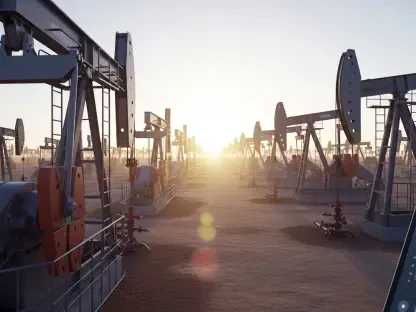
For too long, the image of belching cows has dominated the narrative around methane, painting agriculture as the sole villain in this environmental story. While livestock and manure management undeniably play a major role, this narrow view obscures a equally significant contributor: the oil and gas industry. In the United States, leaks during extraction, processing, and transportation release vast quantities of methane, often from so-called “super-emitters”—facilities with malfunctioning equipment or poor maintenance that account for a disproportionate share of emissions. These industrial sources aren’t just a side note; they rival agriculture in impact, yet they’re frequently under-discussed. Shifting the focus to include these culprits opens up new avenues for impactful reductions, challenging the outdated notion that methane is purely a farming problem and pushing for a broader strategy.
In contrast, addressing industrial methane leaks offers a quicker path to results compared to the slower, systemic changes needed in agriculture. Advanced detection tools have revealed that emissions from oil and gas operations are often higher than previously estimated, with many leaks stemming from preventable issues. Fixing these doesn’t require reinventing the wheel—just better oversight and maintenance. This dual-source reality means that mitigation efforts must target both sectors with equal vigor, rather than fixating on one. By debunking the myth of agriculture as the lone emitter, there’s room to craft policies that hold industries accountable while supporting farmers in adopting sustainable practices. This balanced approach ensures that no major source slips through the cracks, maximizing the potential to curb methane’s reach across all fronts and reshape how society tackles this pervasive gas.
False Clean Energy Claims
The label of “natural gas” as a clean energy source is a slick marketing ploy that masks a messy reality, lulling many into a false sense of environmental security. Composed primarily of methane, natural gas might burn with fewer CO2 emissions than coal or oil, but that advantage crumbles when leaks occur during production and transport. Studies show that a leakage rate as low as 0.2% can render natural gas as damaging to the climate as coal, erasing any supposed benefits. This isn’t a minor glitch; it’s a fundamental flaw in the argument for natural gas as a bridge fuel. The truth is, relying on it delays the inevitable shift to zero-emission alternatives like wind or solar, which carry no such hidden costs. Unmasking this myth forces a harder look at energy policies, urging a pivot away from fossil fuels entirely.
Additionally, the pollutants released alongside methane during natural gas extraction compound the problem, affecting more than just the climate. Burning this gas emits harmful substances that degrade air quality, undermining the “clean” label even further. Public perception often lags behind science on this issue, with many still viewing natural gas as a safe middle ground. However, continuing to invest in infrastructure for this fuel locks societies into a dependency that’s tough to break, especially when cleaner options are already viable. The push for true sustainability means phasing out natural gas, not polishing its image. By confronting these false claims head-on, there’s an opportunity to redirect resources and innovation toward energy solutions that don’t come with methane’s baggage, aligning progress with the urgent need for a healthier planet.
Solutions and Opportunities
Technological Advances
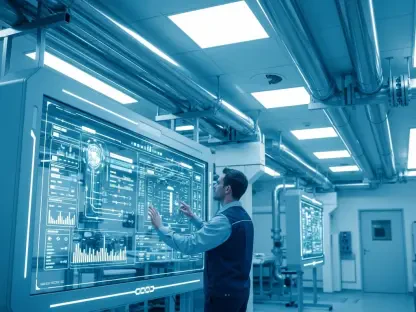
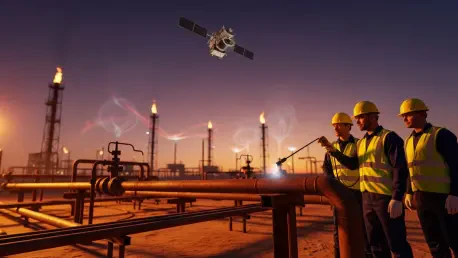
The notion that methane emissions are impossible to track has been shattered by cutting-edge technology, transforming how this gas is managed on a global scale. High-resolution satellite imagery and continuous monitoring systems now offer real-time data, pinpointing major emission sources with unprecedented accuracy. These tools can identify super-emitters—facilities leaking disproportionate amounts of methane—allowing for swift, targeted interventions. Gone are the days of guesswork; industries and regulators alike have the means to spot and address leaks before they spiral out of control. This leap forward not only debunks myths about measurement challenges but also builds a foundation for accountability. With such precision at hand, there’s no excuse for inaction, making technology a game-changer in the fight against methane’s spread.
Furthermore, these advancements democratize oversight, empowering communities and independent organizations to hold polluters to account. Portable sensors and infrared cameras complement satellite data, providing on-the-ground confirmation of leaks that might otherwise go unnoticed. This multi-layered approach ensures that no emission source is too remote or obscure to escape scrutiny. The data generated fosters transparency, pushing companies to act before public or regulatory pressure mounts. It’s a shift from reactive to proactive management, where prevention takes center stage. As these technologies become more widespread and affordable, their integration into standard practice signals a turning point. The ability to see and measure methane so clearly equips society with the tools to tackle this invisible threat head-on, paving the way for meaningful reductions.
Cost-Effective Fixes
Contrary to the persistent belief that curbing methane leaks is a budget-busting endeavor, many solutions are not only feasible but can even turn a profit. Technologies for detecting and repairing leaks are widely available and increasingly affordable, allowing companies to address issues without massive financial strain. Capturing leaked methane and selling it as usable gas transforms a problem into a revenue stream, flipping the narrative of cost into one of opportunity. Simple upgrades, like replacing faulty valves or improving maintenance routines, can slash emissions significantly at a fraction of the cost of broader overhauls. This practicality challenges the myth of prohibitive expenses, showing that mitigating methane is within reach for industries of all sizes, while delivering environmental wins.
Equally compelling is the broader economic upside of these fixes, which extend beyond just saving money. Implementing methane reduction strategies often creates jobs in fields like technology development and facility maintenance, boosting local economies. Reduced emissions also mean fewer health issues tied to poor air quality, cutting down on medical costs for communities and governments. Policies that enforce strict standards ensure that companies don’t dodge these low-cost fixes, while incentives can sweeten the deal for early adopters. History has shown that when industries embraced similar measures for other pollutants, the benefits far outweighed initial investments. By framing methane mitigation as a smart financial move rather than a burden, the path forward becomes clearer. These affordable steps, taken collectively, laid the groundwork for substantial progress, reflecting a pragmatic optimism for what was achieved in addressing this potent pollutant.