
For decades, the majestic vistas of North Carolina’s mountains were often shrouded in a thick haze, a visible reminder of air pollution that seemed an inescapable byproduct of a growing economy. Today, that haze has lifted, revealing not only clearer skies but also a powerful narrative of transformation where environmental stewardship and economic prosperity were not mutually exclusive but mutually reinforcing. Over the last thirty years, the state has orchestrated a remarkable turnaround, slashing harmful emissions to historic lows even as its population and Gross State Product surged. This success story, built on a foundation of technological innovation and strategic policy, offers a compelling blueprint for how a region can breathe easier while simultaneously building a more robust and resilient economy, challenging the long-held assumption that progress must come at the expense of the environment.
The Regulatory and Technological Drivers of Change
A Strategic Shift in Energy Production
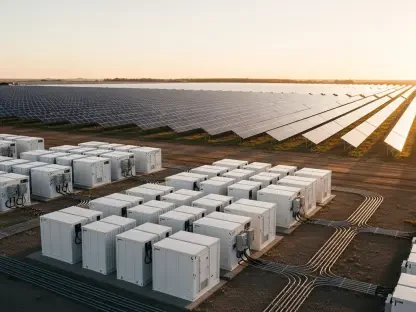
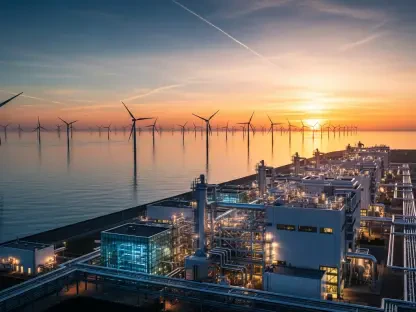
A cornerstone of North Carolina’s air quality improvement has been the profound transformation of its energy sector, a deliberate pivot away from the coal-fired power plants that once dominated the landscape. This strategic shift has significantly reduced the primary sources of pollutants like sulfur dioxide, which plummeted by an astounding 95% between 1990 and 2022. The state’s energy portfolio now reflects a diversified and cleaner approach, with a heavy reliance on nuclear power and a burgeoning solar industry that has made North Carolina a national leader in clean energy generation. This transition, coupled with advancements in wind power, has not only cleaned the air but also modernized the state’s energy infrastructure. The resulting decline in emissions from power generation stands as the single most impactful factor in the state’s environmental success, demonstrating that a commitment to cleaner energy sources can yield dramatic and lasting benefits for air quality and public health without hindering the availability of reliable power for a growing population.
This transition in energy generation was powerfully complemented by a concurrent focus on improving energy efficiency across both residential and commercial sectors, tackling the demand side of the energy equation. State-level initiatives and technological advancements encouraged the adoption of more efficient appliances, better building insulation, and smarter energy management systems. This holistic approach meant that as the state was cleaning up its power supply, it was also reducing the overall need for power consumption. The cumulative effect was a significant reduction in the environmental footprint of every household and business. This dual strategy of transforming energy production while simultaneously curbing demand created a virtuous cycle, allowing the state to meet the needs of its expanding economy and population while continually decreasing its reliance on the fossil fuels that had historically contributed so heavily to air pollution. This synergy between supply-side innovation and demand-side conservation proved essential to achieving such comprehensive emission reductions.
Revolutionizing the Transportation Sector
Significant progress in the transportation sector has been another critical driver of cleaner air, fundamentally altering the environmental impact of millions of vehicles on the state’s roads. Since 1990, emissions from on-road vehicles have fallen dramatically, with carbon monoxide dropping by 81%, nitrogen oxides by 72%, and volatile organic compounds by 85%. This remarkable achievement is the direct result of decades of technological innovation and stricter federal standards. Modern cars and trucks are equipped with far more efficient engines, catalytic converters that neutralize harmful pollutants, and cleaner-burning fuel formulations. The sustained effort to make internal combustion engines more environmentally friendly has paid immense dividends, drastically reducing the smog-forming compounds and toxic gases that once choked urban and suburban areas. This consistent technological refinement within the automotive industry has been indispensable to the state’s ability to accommodate more vehicles on its roads while actively improving air quality for its citizens.
Building on the successes achieved with conventional vehicles, the accelerating adoption of electric vehicles (EVs) promises to usher in a new era of even cleaner transportation across North Carolina. As more drivers transition to zero-emission cars, the state anticipates a further and more profound reduction in transportation-related pollutants, particularly nitrogen oxides and volatile organic compounds that contribute to ground-level ozone. This shift is not merely a passive trend but is supported by growing charging infrastructure and consumer interest in cleaner, more efficient transportation alternatives. The move toward electrification represents the next logical step in the evolution of the state’s transportation system, building upon the foundation of cleaner gasoline engines to nearly eliminate tailpipe emissions altogether. This ongoing transition is poised to lock in the air quality gains of the past and propel the state toward a future where transportation is no longer a primary contributor to air pollution, ensuring healthier communities for generations to come.
Tangible Benefits and a Decoupled Future
A Healthier Environment for All
The dramatic reduction in air pollutants has translated directly into significant and measurable public health benefits for the residents of North Carolina. For over a decade, the ambient air across the state has consistently met and remained below all federal health-based standards for major pollutants. This is perhaps most clearly illustrated by the sharp decline in high-ozone days, which pose a serious risk to individuals with asthma and other respiratory conditions. Between 2005 and 2014, the state recorded 83 days where ozone levels reached “Code Red” or higher, indicating unhealthy air for everyone. In stark contrast, since 2015, only two such days have been recorded. This sustained improvement means fewer emergency room visits, fewer missed school and work days, and a better quality of life for everyone, especially the most vulnerable populations. The cleaner air is not just a statistical achievement; it is a tangible improvement that has made the state a healthier place to live, work, and raise a family.
Beyond the critical improvements to public health, the state’s cleaner air has also restored a significant measure of its natural beauty, most notably in its iconic parks and wilderness areas. The same pollutants that harm human health also scatter light and create haze, obscuring scenic vistas. As emissions of fine particles and sulfur dioxide have decreased, visibility has improved dramatically. At Great Smoky Mountains National Park, a landmark that straddles the North Carolina-Tennessee border, the change has been breathtaking. In 1996, the average visibility on a clear day was approximately 54 miles. By 2023, that distance had more than doubled to 119 miles, allowing visitors to once again experience the sweeping, panoramic views for which the park is famous. This restoration of natural clarity enhances the experience for tourists and residents alike and underscores the far-reaching environmental benefits of targeted pollution control strategies, demonstrating that clean air policies are also an investment in preserving the state’s natural heritage.
A Legacy of Sustainable Progress
The comprehensive nature of North Carolina’s success extended beyond the most common air pollutants to include significant reductions in greenhouse gases and hazardous air toxins. Between 2005 and 2020, the state achieved a 38% decrease in net greenhouse gas emissions, placing it on a firm path toward its climate goals. Furthermore, from 1993 to 2022, emissions of hazardous and toxic air pollutants fell by an impressive 82%, reducing public exposure to harmful substances. What made these environmental achievements truly remarkable was that they occurred during a period of substantial growth. Over the same timeframe, North Carolina’s population grew by 20%, and its real Gross State Product expanded by 23%. This concurrent progress served as a powerful testament that a thriving economy and a healthy environment are not competing interests. By embracing technological innovation and forward-thinking policy, the state successfully decoupled economic growth from environmental degradation, forging a model of sustainable development that proved both prosperous and responsible. This journey demonstrated that strategic environmental protection could be a catalyst for modernization and long-term economic resilience.