
Having long established itself as a global benchmark for renewable electricity generation, Costa Rica is now embarking on a sophisticated new chapter in its energy journey, shifting its focus from celebrating green production statistics to pioneering advanced system governance and ensuring long-term economic competitiveness. This strategic pivot, championed by the administration of President Laura Fernández under the banner of “continuity with evolution,” aims to modernize the nation’s energy framework. The goal is to meet rising demand and attract investment while preserving the stability that has been the hallmark of its success. This report analyzes this unfolding policy evolution, examining the drivers, challenges, and opportunities that will define the next era of Costa Rica’s energy leadership.
From Green Powerhouse to Governance Pioneer: Assessing the Current Energy Landscape
Costa Rica’s reputation as an energy leader is built on a remarkable achievement: generating over 99% of its electricity from renewable sources. This accomplishment has positioned the country as a model for sustainable development, demonstrating that a near-total reliance on clean energy is not just an aspiration but a tangible reality. The nation’s success is rooted in decades of strategic investment in its natural resources, creating a robust and resilient power system that stands as a testament to its long-term environmental vision.
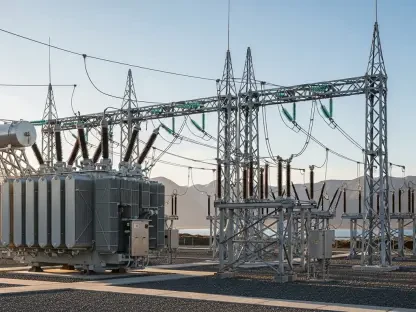
The structure of the energy market is a unique blend of public and private participation. The state-owned utility, Instituto Costarricense de Electricidad (ICE), serves as the backbone of the system, managing the majority of generation and transmission. It operates alongside a network of municipal energy providers and rural electrification cooperatives, which play a crucial role in distribution and local supply. Complementing these public entities are private developers, who have historically contributed to the grid, particularly in wind and solar power, operating within a well-defined regulatory framework.
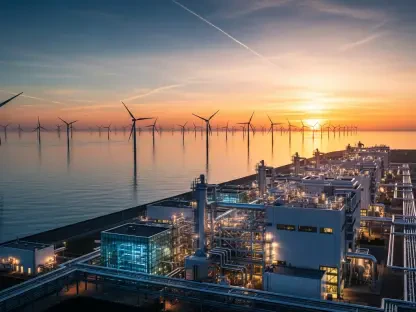
This successful framework rests on a diversified technological foundation dominated by hydropower, which provides a reliable baseload, supplemented by significant geothermal, wind, and solar capacity. This specific energy matrix has been the cornerstone of the country’s ability to achieve its green energy targets. However, as the system matures and demand patterns change, the limitations of this generation-centric model are becoming apparent, prompting a strategic reevaluation of the sector’s future direction.
The New Wave of Energy Dynamics: Shifting Priorities and Future Projections
Beyond Generation: The Strategic Pivot to Efficiency and Diversification
The primary trend shaping Costa Rica’s new energy policy is a decisive shift away from a singular focus on green generation toward a more holistic approach centered on system governance and economic competitiveness. While the country has effectively solved the green production puzzle, the next frontier involves optimizing how that energy is managed, distributed, and priced. This strategic pivot recognizes that a modern energy system must be not only clean but also efficient, affordable, and responsive to the needs of a growing economy.
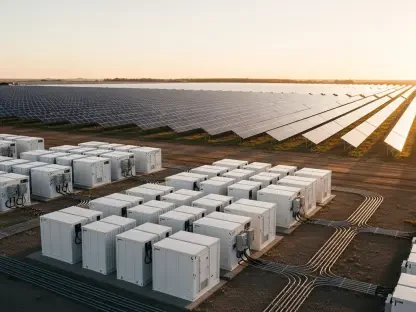
To enhance system resilience and move beyond its traditional renewable sources, Costa Rica is actively exploring emerging technological solutions. Energy storage systems are seen as critical for balancing the grid and maximizing the value of intermittent resources like solar and wind. In parallel, there is a growing interest in biogas, biomethane, and waste-to-energy projects. These technologies offer the dual benefit of providing dispatchable power while contributing to a circular economy by converting agricultural and municipal waste into valuable energy resources.
Underpinning this entire policy evolution is the undeniable market driver of steadily rising energy demand. As Costa Rica’s economy continues to grow and electrify, particularly in the transportation sector, the pressure on the national grid will intensify. The current administration understands that simply building more of the same generation capacity is not a sustainable solution. Instead, a more sophisticated, technologically diverse, and efficiently managed system is required to meet this future demand reliably and affordably.
Powering Tomorrow: Market Projections and Investment Horizons
Looking ahead, the administration’s agenda is squarely focused on ensuring the energy system can accommodate increasing consumption without compromising its green credentials. Projections indicate a consistent upward trend in energy use, demanding a proactive strategy that goes beyond incremental additions to capacity. The new policies are therefore designed to create a dynamic and forward-looking framework capable of supporting long-term economic development.
A core component of this strategy is to unlock a robust pipeline of new energy projects through clearer regulations and a more inviting investment climate. By strengthening institutional governance and providing legal certainty, the government aims to de-risk investment for both domestic and international partners. This will be crucial for financing the next generation of energy infrastructure, from utility-scale battery storage to innovative geothermal applications.
Ultimately, the success of this new agenda will be measured by key performance indicators of system reliability and affordability. The goal is to modernize the grid and diversify the energy mix in a way that translates into tangible benefits for consumers and businesses. A stable, efficient, and competitively priced electricity supply is viewed as a fundamental prerequisite for national prosperity, ensuring that Costa Rica’s energy leadership continues to be a source of economic strength.
Navigating the Headwinds: Overcoming Barriers to a Modernized Grid
The central challenge facing Costa Rica’s energy sector is the need to significantly improve operational efficiency and enhance national competitiveness. For years, the focus remained on green credentials, but now, the economic performance of the system has come under scrutiny. The new administration acknowledges that high energy costs can hinder industrial growth and impact households, making systemic reforms a national priority.
Reforming a mature, state-dominated system presents considerable complexities. The objective is to introduce greater efficiency and flexibility without disrupting the financial stability of key public entities like ICE or compromising the reliability of the power supply. This requires a delicate balancing act, navigating entrenched interests and legacy structures to implement changes that are both effective and sustainable. Any misstep could risk undermining the very foundation of the sector’s past success.
A significant risk identified by industry experts is the potential for market distortions arising from fragmented or poorly designed legislation. For instance, the proposed electricity sector harmonization bill has drawn criticism for its piecemeal approach, which could inadvertently create legal uncertainty. To mitigate this, the government is advocating for a gradual, data-driven reform process, ensuring that any legislative changes are thoroughly analyzed for their potential impacts and are implemented in a manner that preserves investor confidence and market stability.
Redrawing the Rulebook: The Legislative and Regulatory Overhaul
A cornerstone of the new energy agenda is the plan to strengthen the steering role of the Ministry of Environment and Energy (MINAE). This move is intended to centralize policy direction and improve institutional coordination across the sector. By empowering MINAE, the government aims to create a more cohesive and strategic approach to energy planning, ensuring that all market players are aligned with national objectives for competitiveness, sustainability, and security of supply.
To elevate the quality and effectiveness of new policies, the administration plans to introduce ex-ante and ex-post regulatory impact assessments. While a standard practice in many other sectors, this tool is new to Costa Rica’s power industry. Its implementation is expected to bring greater transparency and evidence-based decision-making to the regulatory process, ensuring that new rules are well-designed, achieve their intended outcomes, and avoid unintended negative consequences.
The government also seeks to influence tariff policy by fostering collaborative mechanisms with the energy regulator, the Public Services Regulatory Authority (ARESEP). This strategy is not about undermining the regulator’s independence but about working together to ensure that tariff structures provide clear price signals that incentivize efficiency and investment. A more cooperative relationship is seen as essential for aligning regulatory outcomes with the broader national goal of a more competitive energy system.
On the legislative front, the administration is committed to reviving several strategic bills that have languished in parliament. Key priorities include advancing frameworks for low- and medium-enthalpy geothermal energy, which could unlock significant new resources, and passing regulations that would allow rural cooperatives to participate in the Regional Electricity Market (MER). This legislative push is designed to remove existing bottlenecks and open new pathways for growth and diversification.
The Future is Collaborative: Forging Strategic Partnerships and Diversifying Technology
The new government has placed a strong emphasis on fostering both public-public and public-private partnerships to drive the next phase of energy development. This collaborative approach views private developers not as competitors to state entities but as essential partners in achieving national energy goals. By creating a framework that encourages synergy, the administration aims to leverage the strengths of all market participants.
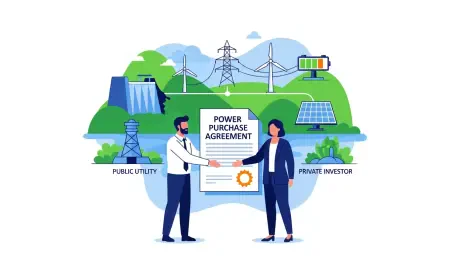
Power Purchase Agreements (PPAs) are positioned as a key instrument for enabling this collaboration. Under the proposed framework, state-owned utilities, municipal providers, and rural cooperatives will be empowered to enter into long-term agreements with independent producers. This mechanism is designed to secure a reliable and affordable electricity supply while stimulating private investment in new generation and storage technologies.
This collaborative model is also closely linked to the push for technological diversification. By integrating complementary solutions such as energy storage, biogas, and waste-to-energy, Costa Rica can bolster grid resilience and support a broader circular economy. These technologies are seen not just as a means to generate power but as integral components of a more sustainable and integrated economic system.
Ultimately, the goal of this strategy is to create a stable, transparent, and collaborative framework that boosts investor confidence. By providing clear rules of engagement and demonstrating a long-term commitment to partnership, the government seeks to attract the capital needed to modernize the grid, meet growing demand, and secure Costa Rica’s position as an innovative and forward-thinking energy leader.
Securing the Future: A Blueprint for Investor Confidence and Sustainable Growth
The “continuity with evolution” strategy in Costa Rica’s energy sector represented a pragmatic approach to building upon a legacy of success. Its key pillars—strengthening institutional governance, fostering strategic partnerships, and advancing a clear legislative agenda—were designed to modernize the system while preserving its foundational stability. This blueprint aimed to create an environment where public and private entities could work in concert toward shared national goals.
This report concluded that the focus on institutional strengthening and policy clarity was the most critical driver for the sector’s forward momentum. By empowering MINAE, introducing robust regulatory tools, and fostering a collaborative relationship with ARESEP, the government laid the groundwork for a more efficient, transparent, and responsive energy market. These governance reforms were seen as essential for providing the legal certainty that investors require.
The prospects for growth and investment under this evolved framework appeared promising. The combination of a clear policy direction, a commitment to partnership, and a proactive legislative agenda was expected to unlock a new wave of projects in areas like energy storage, geothermal, and bioenergy. This strategic evolution was deemed necessary not only to meet rising demand but also to ensure that Costa Rica maintained its global energy leadership in an increasingly competitive world.