
The selection of Antalya, Turkey, to host the COP31 climate conference in 2026 places the nexus of global climate negotiations squarely in the Mediterranean basin, a region warming significantly faster than the global average. With Murat Kurum appointed as President-Designate, this decision is far more than symbolic; it represents a deliberate move to anchor abstract policy discussions in the harsh reality of a climate-vulnerable area. The nation is already grappling with the severe frontline effects of a changing climate, as prolonged and devastating droughts strain agricultural output, unprecedented wildfires scorch its forests, and intense flooding events overwhelm its urban centers. This constant and escalating pressure on the country’s infrastructure, food security, and water systems provides a stark, real-world backdrop for the summit. The intention behind this strategic choice is clear: to leverage this proximity to crisis to center urgent, tangible challenges in global decision-making, compelling world leaders to confront the immediate and undeniable consequences of inaction.
A Crossroads of Vulnerability and Opportunity
Embracing a Sustainable Future
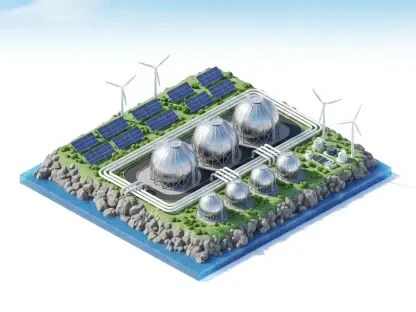
As a G20 economy, Turkey occupies a unique geopolitical and geographical space, forming a critical bridge between Europe, Asia, and the Middle East that places it at a dynamic intersection of climate vulnerability and economic opportunity. While still classified as an emerging economy focused on expanding its industrial base, there is a growing and powerful recognition within the country that long-term prosperity is inextricably linked to sustainability and resilience. In response to this imperative, the nation has made notable and substantial strides in its domestic climate action, significantly expanding its renewable energy portfolio to become a regional leader in harnessing solar, wind, and geothermal power. Beyond energy production, Turkey has launched ambitious national initiatives, such as a comprehensive zero-waste program aimed at fundamentally transforming consumption patterns and production cycles. Alongside these efforts, major public and private investments are being channeled into climate-resilient urban development, fortifying its cities against future shocks through modernized infrastructure and sustainable planning.
From Pledges to Progress
The central theme for the upcoming COP31 summit is designed to catalyze a strategic global shift from prolonged negotiation to decisive and immediate implementation. A primary objective will be to move beyond promises and translate existing national commitments into a portfolio of measurable emissions reductions, effective and scalable adaptation projects, and, crucially, the delivery of tangible financial support for the world’s most vulnerable communities. With its unique status as a major emerging economy that is also a member of NATO and a candidate for EU membership, Turkey is strategically positioned to serve as a vital mediator. The nation holds the potential to bridge the persistent divides between developed and developing nations on key contentious issues, particularly the affordability of green transitions and the equitable financing of adaptation measures. As President-Designate, Murat Kurum is tasked with the formidable challenge of steering the global climate agenda away from what many perceive as “negotiation fatigue” and toward a new era of demonstrable, on-the-ground progress that rebuilds trust and accelerates collective action.
Navigating Geopolitical Complexities and Scrutiny
A Backdrop of Controversy
While Turkey prepares to take the climate stage, its role is not without significant controversy that will undoubtedly draw international attention and complicate its leadership ambitions. The nation has been described in some international security analyses as a potential source of regional instability due to allegations of sheltering militant groups. This complex geopolitical backdrop is reflected in its domestic environment, where pervasive security measures, including the common sight of weapons detectors in public spaces like hotels, create a tangible sense of high alert that will be immediately apparent to visiting delegations. Adding to the scrutiny are stark and widely publicized accusations from animal welfare organizations concerning the alleged killing of millions of stray dogs, an issue that has sparked international condemnation. These issues form a challenging context for a summit focused on global cooperation, as international journalists and observers will arrive in a country grappling with these internal and external pressures, which could influence perceptions of its leadership capabilities.
The World Will Be Watching
The decision to host COP31 thus presented Turkey with a profound and dual-edged opportunity to showcase pragmatic and unifying leadership on one of the most critical issues of our time. The summit was seen as a platform not only to highlight its own climate initiatives but also to leverage its unique diplomatic position to foster global consensus and drive meaningful action, offering a pathway to enhance its international standing and reshape its global image. The ultimate measure of the conference’s success, and of Turkey’s presidency, was destined to be a tangible shift away from diplomatic rhetoric and toward the concrete implementation of climate solutions that could be verified and replicated. Consequently, international observers and the global press corps arrived with a dual focus, prepared to scrutinize the country’s performance not just on its climate policy agenda but on its broader handling of domestic and foreign affairs, understanding that true global leadership required integrity and consistency across all fronts.