
A powerful winter storm descended upon the German city of Wuppertal, bringing daily life to a standstill as snow and near-freezing temperatures created a cascade of disruptions across municipal, economic, and commercial sectors. The weather event, which blanketed the city on January 29, has done more than just snarl transportation across its uniquely hilly terrain; it has triggered a significant surge in energy consumption that is now testing the resilience of regional utility networks. This has sent ripples through the energy market, creating volatility and operational hurdles that extend far beyond the icy streets. For residents, commuters, and businesses alike, the storm serves as a stark reminder of how interconnected modern urban systems are and how quickly they can be strained by a classic winter onslaught. The city is now navigating the complex fallout, balancing public safety with the need to maintain essential services and economic continuity.
A City Gripped by Ice and Uncertainty
The meteorological conditions gripping Wuppertal are a textbook winter scenario, defined by a persistent snow cover and a temperature range hovering between 0–4°C (approximately 32–39°F). The most significant public safety concern is the diurnal cycle of freezing and thawing, which creates a recurring threat of black ice. Morning hours have proven to be the most dangerous, with slick, icy patches forming on untreated surfaces, particularly on the city’s higher ground and in shaded areas where temperatures remain stubbornly low. While a marginal thaw in the afternoon offers a brief respite and some improvement in road conditions, this is quickly followed by the risk of refreezing overnight. This perpetuates the hazardous cycle, challenging municipal crews and forcing residents to exercise extreme caution. The light to moderate winds, while not creating a severe wind chill, are influencing the movement of weather systems, adding another layer of complexity to forecasting the storm’s duration.
Looking toward the end of the week, a significant pattern shift is anticipated, offering a glimmer of hope for a return to normalcy. Forecasters are tracking a milder and wetter Atlantic airmass that is expected to move into the region, which will transition the precipitation from snow showers to a mix of drizzle and rain, especially at lower elevations. This meteorological change is a key trend that signals a gradual clearing of the accumulated snow and ice, which should alleviate many of the immediate dangers. However, officials caution that the transition period itself may pose risks, as melting snow could lead to slush and localized slick spots, particularly during the colder nighttime hours. The impending thaw marks a critical turning point, but the city must first navigate the remaining period of treacherous conditions before the full impact of the milder air can be felt and normal operations can resume across the region.
The Domino Effect on Infrastructure and Markets
The immediate and most visible consequence of the wintry weather has been the severe disruption to Wuppertal’s public infrastructure and daily life. The slick, icy road conditions, exacerbated by the city’s challenging topography of steep hills and narrow valleys, have led to significant travel slowdowns and gridlock. This has had a cascading effect on the city’s operations, forcing the cancellation of several local community and social events. The transportation network remains under considerable strain. While municipal crews are working tirelessly to clear slush and ice from main arteries, many steeper side streets remain treacherous, leading to short-term suspensions and reduced frequencies for public transport services. Authorities have strongly advised residents and commuters to allow for significant extra time for their journeys, particularly for any intercity connections, and to diligently verify all travel and event schedules before departing to avoid being stranded.
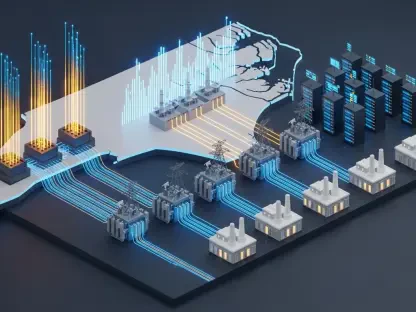
Beyond the logistical chaos, the weather event has sent significant shockwaves through the regional energy sector, transforming a local weather story into a critical economic brief. The near-freezing temperatures have been a direct driver of increased heating demand for both residential homes and small businesses, placing a heavy load on gas and district heating networks. This surge in consumption has created distinct demand peaks in the morning and evening hours as people begin and end their workdays. For utility operators, this scenario presents a formidable challenge; while no supply shortages have been signaled, the increased short-term draw on the system elevates balancing costs, which can directly impact their financial performance. This period of heightened demand and market pressure is expected to persist until the forecasted milder airmass arrives to ease heating requirements and stabilize the grid.
Commercial Sector Navigates a Slippery Slope
The storm’s impact was felt profoundly across Wuppertal’s commercial landscape, where icy conditions acted as a major deterrent to consumer mobility and presented significant operational challenges. A predictable shift in behavior occurred as casual shopping trips and discretionary spending declined, especially during the morning hours when the ice risk was at its highest. This resulted in a sharp reduction in foot traffic for city-center retailers, forcing a strategic pivot. Consumer spending migrated toward online platforms and hyperlocal neighborhood shops that remained accessible by foot. Retailers who successfully navigated this disruption were those who quickly promoted click-and-collect services, offered limited-time local delivery, and focused on resilient product categories such as warm drinks, winter gear, and essential groceries, which saw more stable demand. This experience underscored the importance of operational agility in the face of unexpected disruptions.
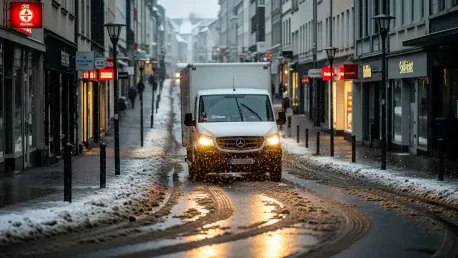
The logistics and service sectors faced their own set of formidable hurdles, which tested their adaptability and communication strategies. Delivery vans were significantly slowed by the snow and ice, with morning routes facing the highest risk of delays and missed delivery windows. Successful carriers were those that implemented operational adjustments, such as bunching deliveries into the later parts of the day as conditions improved and leveraging micro-fulfillment centers to reduce travel times. Proactive communication with customers, including real-time ETA updates, proved to be a crucial tool for managing expectations. Similarly, service-based industries that rely on staff mobility, like home care and facility services, experienced staffing shortages due to travel difficulties. The most effective solutions involved logistical foresight, including flexible shift planning and encouraging ride-pooling among employees to ensure stable service coverage.