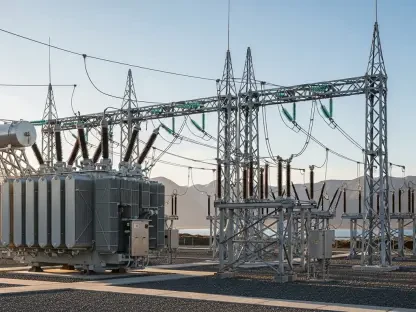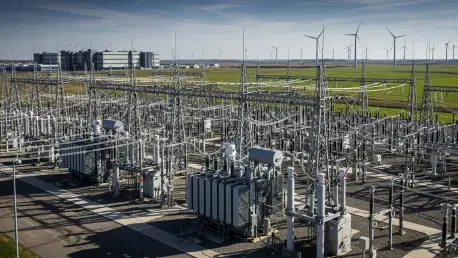

Illinois finds itself at a precarious crossroads where the state’s ambitious environmental aspirations are colliding head-on with the insatiable energy demands of the digital revolution. A stark new report from three key state regulatory bodies—the Illinois Power Agency, the Illinois Environmental Protection Agency, and the Illinois Commerce Commission—has laid bare an impending energy crisis, revealing a dangerous imbalance between a systematically shrinking electricity supply and a demand curve that is skyrocketing, driven largely by the proliferation of power-hungry data centers. This confluence of deliberate policy and explosive technological growth is straining the state’s electrical grid to its breaking point, threatening not only the reliability of power for millions but also the affordability of a basic necessity. The situation has ignited a critical debate among policymakers, industry leaders, and consumer advocates, forcing a statewide reckoning over the true cost of pursuing a carbon-free future while simultaneously powering the age of artificial intelligence.
The Confluence of Policy and Progress
A central pillar of Illinois’s energy policy, the Climate and Equitable Jobs Act (CEJA) of 2021, is now at the heart of the state’s supply-side dilemma. Enacted with the laudable goal of achieving a 100% clean energy grid, the law mandates the phased closure of all fossil fuel power plants by the year 2045. While this legislation represents a landmark commitment to decarbonization, critics now argue it is a primary catalyst for the looming supply shortages. The act has accelerated the retirement of traditional dispatchable power sources, such as natural gas plants, which have historically provided a reliable and on-demand source of electricity to stabilize the grid during periods of peak consumption. The Illinois Manufacturers’ Association has voiced strong concerns, framing the policy as a “forced closure” of baseload generation that is injecting massive uncertainty into the energy market. This planned reduction in conventional power is occurring before a sufficient network of renewable sources and large-scale energy storage is in place to fill the gap, creating a vulnerability that threatens the very stability the grid was designed to ensure. The debate is no longer about the virtue of the goal, but the viability of the timeline in the face of unforeseen challenges.
On the other side of the energy equation, Illinois is grappling with an unprecedented surge in electricity consumption, a phenomenon known as “load growth.” While the gradual electrification of transportation and industrial processes contributes to this trend, state regulators and industry stakeholders unequivocally identify one primary driver: the explosive growth of the data center industry. These massive facilities, the physical backbone of cloud computing, streaming services, and the burgeoning field of artificial intelligence, are unlike any previous source of industrial demand. They operate around the clock at near-maximum capacity, consuming vast quantities of electricity to power servers and cooling systems. This new, concentrated form of demand is straining local and regional grids in ways that were not fully anticipated when policies like CEJA were crafted. The rapid clustering of these energy-intensive operations in areas like northern Illinois has fundamentally altered the state’s energy landscape, shifting the policy debate from simply encouraging clean energy generation to desperately figuring out how to manage a new class of consumer whose appetite for power threatens to overwhelm the existing infrastructure and impose staggering costs on the public.
The Alarming Signals of a System Under Strain
The tangible consequences of this supply-and-demand imbalance are no longer theoretical. The joint report from state regulators offers a chillingly specific forecast, projecting that without significant intervention, the Commonwealth Edison (ComEd) service territory in northern Illinois will begin experiencing power shortages as early as 2029. The Ameren service area, which covers most of downstate Illinois, is expected to face similar deficits by 2031. As these shortfalls worsen, the state would become dangerously reliant on importing electricity from neighboring states within the PJM Interconnection and Midcontinent Independent System Operator (MISO) territories. This strategy is fraught with risk, as the report notes that these regional grids are facing their own parallel challenges with plant retirements and soaring demand, making out-of-state power an increasingly unreliable and expensive solution. The specter of rolling blackouts, once a distant concern, is now a credible threat that looms over the state’s economic and social stability. This potential for grid failure highlights the urgent need for a cohesive and realistic plan to bridge the gap between present capacity and future need.
For Illinois consumers, the economic pain is already beginning to materialize. The release of the regulators’ report coincided with the announcement of the highest-ever price for “capacity” in the PJM region. Capacity payments are essentially fees paid to power generators to guarantee they will be available to produce electricity when needed, ensuring grid reliability during peak demand events like summer heatwaves. These charges constitute a significant portion—approximately 20%—of a typical consumer’s monthly electricity bill. The most recent PJM auction for the 2027-2028 period settled at a record price of $333.44 per megawatt-day, a staggering 11.5-fold increase compared to the price just three years prior. This dramatic price spike is a clear market signal of severe strain on the power supply. Consumer advocacy groups like the Citizens Utility Board (CUB) warn that if this trend continues, the current price hikes will “seem tame,” with the National Resources Defense Council estimating that data center demand alone could add approximately $70 to an average PJM customer’s monthly bill by 2028, socializing the costs of the tech boom across millions of households.
A Scramble for Legislative and Regulatory Solutions
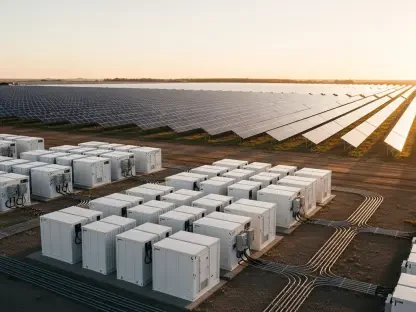
In response to these mounting concerns, the Illinois legislature has taken decisive action, passing the Clean and Reliable Grid Affordability Act (CRGA). This legislation, now awaiting the governor’s signature, is positioned as a critical tool to navigate the crisis. The act aims to address the supply issue directly by establishing a new incentive structure to spur the development of utility-scale energy storage projects. These large battery systems are crucial for integrating intermittent renewable sources like wind and solar into the grid, allowing energy generated during sunny or windy periods to be stored and dispatched when demand is high or generation is low. More significantly, the CRGA mandates that the Illinois Commerce Commission undertake a new, state-driven integrated resource planning process, scheduled to begin in 2026. This forward-looking process is intended to provide a more holistic and data-driven venue for assessing the state’s long-term energy needs, identifying reliability risks, and securing cost-effective solutions before they escalate into full-blown crises.
The state regulators’ report itself recommends a “diversified resource strategy,” acknowledging that no single solution can solve a problem this complex. This multifaceted approach calls for continuing the accelerated build-out of in-state wind and solar generation while also pragmatically continuing to use existing gas and other thermal generators as essential “reliability assets” to ensure power is available on demand, implicitly opening the door to a re-evaluation of the 2045 fossil fuel closure deadline. The strategy also emphasizes the need to invest heavily in emerging technologies, such as green hydrogen, advanced nuclear fission reactors, and long-duration battery storage capable of delivering power for four hours or more. Finally, it suggests making more strategic use of existing transmission infrastructure to import power from the broader regional grids when it is both available and affordable. This comprehensive vision attempts to balance ambitious climate goals with the non-negotiable requirement of maintaining a stable and affordable power supply for all residents and businesses.
A Precarious Path Forward
Illinois stood at a critical juncture where its laudable long-term decarbonization goals collided with the immediate, tangible challenges of maintaining a reliable and affordable power grid. The state regulators’ report laid bare the scale of the impending problem, forcing a statewide reckoning over an energy policy that had been pushed to its limits by unforeseen technological acceleration. The path forward required navigating a complex and politically charged landscape. It involved the successful implementation of a new state-led planning process under the CRGA, a difficult re-evaluation of the CEJA fossil fuel retirement timeline, and a determined effort to address the systemic bottlenecks within the regional PJM market. The most pressing and contentious question, however, became how to manage the voracious energy appetite of the data center industry. The decisions made in this period ultimately determined whether the immense costs of powering the digital future would be socialized among all ratepayers or borne by the technology giants driving the demand. This pivotal moment defined whether Illinois could achieve a clean energy future that was also reliable and affordable for all its residents.