
The promise of a hyper-connected, automated world is one of unparalleled convenience and efficiency, where smart devices manage our homes and digital platforms streamline our transactions with seamless precision. Yet, when the intricate web of code and hardware falters, that promise can quickly devolve into a frustrating ordeal, leaving individuals to untangle complex errors with little to no support. A troubling pattern is emerging across various sectors: as technology becomes more autonomous, the human-centric support systems designed to address its failures are increasingly absent. Consumers, who invest their trust and money into these services, often find themselves shouldering the burden of proof, spending countless hours navigating unresponsive communication channels to correct mistakes that were never their own. This gap between the idealized function of smart technology and the stark reality of its fallibility highlights a critical challenge in the modern marketplace, where system breakdowns are frequently compounded by corporate silence.
The Cascading Failures of Automated Systems
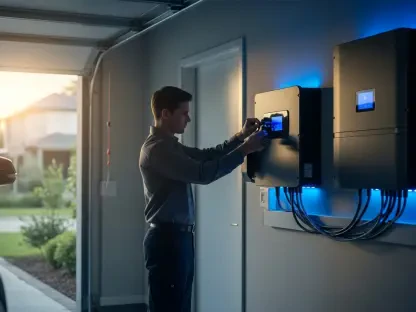
A striking example of this disconnect can be found in the experience of a UK homeowner who, after investing significantly in a solar panel and battery storage system to achieve energy independence, was presented with an erroneous energy bill for £3,436. The root of the problem was a first-generation smart meter (SMETS 1) that had silently stopped transmitting usage data to the provider, Octopus Energy, for a staggering 15 months. Throughout this entire period, the company failed to detect the communication lapse or notify the customer of the ongoing technical issue. This lack of proactive monitoring meant the homeowner was completely unaware that their account was accruing a massive, estimated debt. The situation was further exacerbated when the energy company switched the customer’s tariff without their consent, a decision based on the faulty data stream. This case underscores a fundamental vulnerability in automated utility management: without robust oversight and transparent communication, the very devices intended to empower consumers with accurate data can become instruments of financial distress.
The arduous path to resolving such a significant billing error reveals the immense pressure placed on the consumer. Initially, the homeowner’s attempts to rectify the situation were met with resistance, as the provider was unwilling to accept the customer’s meticulously recorded, accurate consumption data. It was only through persistent effort that the company finally acknowledged its multifaceted failure. A full investigation led to the bill being correctly recalculated at £2,797.68, with the remaining £602.88 balance waived as a goodwill gesture and a new, functional meter finally installed. This pattern of technological failure followed by institutional unresponsiveness is not isolated to the energy sector. In a separate incident, a community event organizer using a SumUp card reader found that all funds raised were mistakenly diverted to an inaccessible, newly created account due to a simple user error. The organizer then spent over three weeks trying to get a response from the company to correct the mistake and recover the much-needed funds, illustrating a consistent theme of consumers being left in the lurch by opaque support systems.
Shifting the Burden From Consumer to Corporation
These incidents, though different in context, share a common and disheartening narrative about the consumer experience in an automated age. When digital systems operate as intended, they offer undeniable benefits; however, when they fail, the onus of detection, diagnosis, and resolution disproportionately falls on the individual. The event organizer’s three-week struggle for a response and the homeowner’s prolonged battle over a faulty meter both highlight a system where consumers must become relentless advocates for themselves to correct corporate errors. The eventual resolutions—a small £25 payment from SumUp and a waived balance from Octopus Energy—are often framed as “goodwill gestures.” While providing some financial relief, these reactive measures do little to address the core problem: the significant emotional toll and time commitment required from customers to navigate a support infrastructure that proves inadequate when it is needed most. This dynamic creates a power imbalance, leaving many to wonder if the convenience of smart technology is worth the potential for powerlessness when it inevitably breaks down.
The struggles faced by these individuals have been part of a larger conversation that has now reached regulatory bodies, prompting a move toward greater corporate accountability. With government data indicating widespread adoption of smart meters across the country, the potential for such failures to affect millions of households is a significant concern. In response to growing consumer frustration, the energy regulator, Ofgem, proposed a critical intervention aimed at rebalancing responsibility. The proposal would mandate automatic compensation for consumers who experience prolonged issues with their smart meters, such as communication failures or installation delays. This regulatory shift signaled a pivotal moment, aiming to transform the industry standard from a reactive, consumer-driven complaint process to a proactive system where service providers are financially incentivized to maintain the integrity of their technology and communicate transparently. Such measures acknowledged that for consumer trust in smart technology to be restored, the price of failure had to be paid by the providers, not the public.