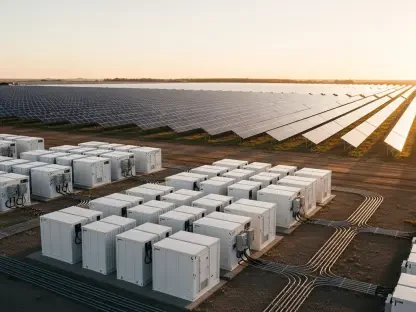

In a transformative move for the energy sector, Georgia Power has unveiled a Request for Proposals (RFP) targeting 500 megawatts (MW) of Battery Energy Storage Systems (BESS), marking a significant stride toward a more resilient and sustainable power grid in Georgia. This initiative, sanctioned by the Georgia Public Service Commission as a key element of the utility’s long-term planning, reflects a deep commitment to integrating renewable energy sources while ensuring stability in the face of growing demand. With a completion timeline set for 2031, the RFP is not merely a procurement exercise but a bold statement of intent to redefine how energy is stored and delivered in the state. As the energy landscape evolves with increasing reliance on intermittent renewables like solar and wind, Georgia Power’s focus on large-scale storage solutions highlights a proactive approach to addressing modern challenges. This ambitious plan sets the stage for exploring the motivations, implications, and broader context behind such a substantial investment in battery technology.
Unpacking the Goals of the RFP
Georgia Power’s RFP for 500 MW of BESS capacity is crafted with precision to meet critical grid needs while fostering innovation in energy storage. The utility has mandated that selected systems must provide a minimum two-hour discharge duration, a specification designed to guarantee sustained power availability during peak demand periods or unexpected grid disturbances. This requirement underscores a strategic vision to enhance reliability, especially as the state’s energy consumption patterns become more complex. By setting a completion target of 2031, the RFP allows sufficient time for developers to navigate planning, permitting, and construction phases, ensuring that projects are both feasible and impactful. This initiative is a clear response to the evolving demands of a modern grid, where flexibility and resilience are paramount to maintaining service quality.
Beyond the technical specifications, the RFP demonstrates a commitment to diversity in project design by welcoming proposals for both standalone BESS with grid charging capabilities and hybrid setups paired with renewable sources. This inclusive approach invites a wide range of solutions, from cutting-edge standalone units to integrated systems that combine storage with solar or wind generation. Such flexibility not only encourages technological advancement but also aligns with the utility’s broader goal of creating a balanced energy portfolio. The involvement of Ascend Analytics as an independent evaluator further ensures that the selection process remains transparent and equitable, fostering trust among stakeholders. This structured procurement process signals Georgia Power’s dedication to fairness while prioritizing projects that can deliver long-term value to the state’s energy infrastructure.
Reflecting Broader Energy Trends
The scale of Georgia Power’s 500 MW BESS procurement mirrors a significant trend across the United States, where utilities are increasingly investing in storage to manage the inherent variability of renewable energy sources. As solar and wind power gain prominence in the energy mix, the ability to store excess generation during periods of high output and release it during demand surges becomes indispensable. This RFP positions Georgia Power as a leader among utilities adopting forward-thinking strategies to ensure grid stability amidst the transition to cleaner energy. The focus on substantial storage capacity reflects an industry-wide recognition that battery systems are no longer supplementary but essential components of a modern power network, capable of bridging gaps left by intermittent renewables.
Moreover, this initiative aligns with national efforts to scale up energy storage as a tool for both reliability and sustainability. The requirement for a two-hour discharge duration adheres to emerging industry benchmarks, ensuring that the systems can support critical grid operations during peak stress. This standard is becoming commonplace as utilities nationwide grapple with similar challenges of balancing supply and demand in a renewable-heavy landscape. Georgia Power’s approach also resonates with successful models in other regions, where large-scale BESS deployments have proven effective in reducing reliance on traditional fossil fuel-based peaking plants. By joining this wave of innovation, the utility not only addresses immediate grid needs but also contributes to a collective push toward a more resilient and environmentally friendly energy future.
Economic and Environmental Promise
The economic ripple effects of Georgia Power’s RFP are poised to be substantial, offering a catalyst for growth within the state. By soliciting 500 MW of BESS capacity, the utility is likely to attract significant investment from developers, technology providers, and financial entities eager to participate in this burgeoning sector. This influx of capital could translate into job creation across various stages, from project design and construction to long-term maintenance and operations. Additionally, the competitive nature of the RFP may drive innovation in storage technologies, potentially lowering costs through economies of scale and fostering a vibrant energy tech ecosystem in Georgia. Such economic benefits highlight the dual value of this initiative as both an infrastructure upgrade and a stimulus for local prosperity.
On the environmental front, the deployment of large-scale BESS holds the potential to significantly reduce Georgia’s carbon footprint. By enabling greater integration of renewable energy and diminishing dependence on fossil fuel plants for peak load management, these storage systems can contribute to lower greenhouse gas emissions. Furthermore, enhanced grid resilience through BESS can mitigate the risks posed by outages or extreme weather events, which are becoming more frequent due to climate change. This environmental stewardship aligns with growing public and regulatory expectations for cleaner energy solutions, positioning Georgia Power as a responsible leader in the fight against climate impacts. The RFP thus serves as a critical step toward harmonizing economic development with ecological responsibility, offering a model for other utilities to emulate.
Embracing Synergies in Energy Solutions
A standout feature of Georgia Power’s RFP is its emphasis on hybrid systems that pair BESS with renewable energy sources, showcasing a nuanced understanding of how storage and generation can work in tandem. These integrated setups maximize the efficiency of clean energy projects by storing surplus power during optimal production times and dispatching it when generation dips, thereby smoothing out intermittency issues. This synergy not only boosts the economic viability of renewable initiatives through shared infrastructure but also amplifies their impact on grid stability. The utility’s openness to such configurations reflects an awareness of successful implementations in other states, where hybrid models have gained traction as cost-effective and reliable solutions.
This strategic focus on integration also signals a shift toward a more holistic energy framework, where storage is not just a backup but a core enabler of renewable expansion. By encouraging developers to propose hybrid systems alongside standalone BESS, Georgia Power fosters a competitive environment ripe for innovative designs that could redefine energy delivery in the state. The potential for these systems to optimize dispatch and reduce operational costs further underscores their value in a future where clean energy dominates. As the utility navigates this RFP, the emphasis on pairing technologies suggests a long-term vision of a grid that seamlessly blends sustainability with reliability, setting a precedent for others in the industry to follow.
Vision for a Resilient Energy Horizon
Looking ahead, Georgia Power’s commitment to 500 MW of BESS capacity lays a robust foundation for reimagining energy management across the state. This initiative addresses pressing challenges like peak load pressures and the integration of renewables, offering a blueprint for a grid that can withstand both routine fluctuations and extraordinary disruptions. The potential transformation extends beyond technical upgrades, promising to reshape how energy is perceived and prioritized in Georgia, with an eye toward long-term sustainability. As projects come to fruition by 2031, the state stands to gain a more dependable and adaptable power system ready to meet future demands.
Reflecting on the broader implications, this RFP serves as a pivotal moment that could inspire similar efforts in neighboring regions, amplifying the push for advanced storage solutions. The successful rollout of these systems might encourage further investments in clean energy infrastructure, creating a virtuous cycle of innovation and environmental progress. Stakeholders across the energy sector will likely watch closely as Georgia Power navigates this ambitious procurement, eager to glean insights for their own strategies. Ultimately, this endeavor highlights a proactive path forward, where strategic planning and technological adoption converge to build a more secure and sustainable energy landscape for generations to come.