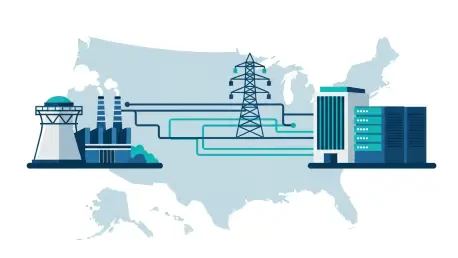

Behind the seamless interfaces and generative power of artificial intelligence lies a colossal and rapidly growing appetite for electricity that is fundamentally reshaping the national energy landscape. The artificial intelligence revolution promises unprecedented innovation, but it is powered by an equally unprecedented surge in energy demand. This article examines the critical, often overlooked, impact of AI’s growth on national energy infrastructure, exploring the massive investments and strategic shifts now underway to power the future. The scale of this new demand, the industry’s response, insights from an industry leader, and the future challenges and opportunities will be analyzed.
The AI-Driven Energy Surge: A Quantitative Look
Surging Demand and Growth Projections
The rapid expansion of data centers and artificial intelligence infrastructure is directly fueling an unparalleled rise in electricity consumption. This surge is not occurring in a vacuum; it is compounded by a broader trend toward industrial electrification across various sectors. The confluence of these factors has created what many in the energy sector are calling a “once-in-a-generation” growth opportunity, fundamentally altering long-term demand forecasts.
These projections indicate that the current demand trend is not only sustained but accelerating, placing immense pressure on an aging energy grid. This creates an urgent and undeniable need for immediate and substantial infrastructure upgrades. Without significant investment in generation, transmission, and distribution capabilities, the nation risks facing bottlenecks that could stifle technological progress and economic growth.
Real-World Response: Siemens Energy’s Strategic Expansion
In a clear response to this burgeoning demand, Siemens Energy is spearheading a $1 billion nationwide investment strategy designed to bolster the domestic energy supply chain. This comprehensive plan involves expanding and upgrading manufacturing facilities across the United States to increase the production of essential energy components.
A prime example of this strategy in action is the $64 million upgrade to its manufacturing facility in Painted Post, New York. This plant is a critical hub for producing reciprocating compressors, which are indispensable for the North American energy infrastructure. The investment underscores a direct link between the digital economy’s needs and the physical revitalization of the nation’s industrial base. These vital components, with 10,000 already in operation, are essential for transporting materials like natural gas, hydrogen, and carbon dioxide through the nation’s vast pipeline networks.
Industry Voices: Navigating a Supercharged Environment
Christian Bruch, CEO of Siemens Energy, has characterized the current market dynamics as uniquely potent. He identifies the convergence of a resurgence in U.S. manufacturing with the explosive expansion of AI as a powerful catalyst for growth. This dual-engine demand creates a rare window of opportunity for foundational investment in the country’s industrial capacity.
Moreover, Bruch emphasizes how the current policy environment has “supercharged” this demand. A renewed focus on energy security and building a resilient national grid has encouraged new capital investments and provided the confidence for companies to undertake long-term expansion projects. This alignment of technological trends and supportive policy is creating a fertile ground for rebuilding and modernizing America’s energy infrastructure from the ground up.
Future Outlook: Rebuilding America’s Energy Backbone
The long-term implications of meeting AI’s energy needs extend far beyond grid capacity, promising significant economic and social benefits. The widespread investments in manufacturing are projected to create over 1,500 new, highly skilled jobs across states like New York, Texas, and Florida. This hiring wave signals a reinvestment not just in machinery, but in the American workforce.
However, this path is not without its challenges. Ensuring grid stability while integrating vast new loads and meeting demand sustainably will require careful planning and technological innovation. The benefits, including a modernized and resilient energy infrastructure, are substantial, yet they hinge on successfully navigating these complex technical and logistical hurdles. This trend will continue to shape national energy policy, driving further investment and strengthening the domestic supply chain for decades to come.
Conclusion: Powering the Future of Intelligence
The explosive growth of artificial intelligence stands as a primary driver behind a historic reinvestment in U.S. energy infrastructure. The core finding is that the demands of the digital future are directly fueling the revitalization of the nation’s industrial and energy backbone.
The decisive actions of companies like Siemens Energy signal a critical and necessary response, ensuring the nation’s grid can support the immense requirements of the 21st-century digital economy. Continued strategic investment and supportive policy remain critically important to build the robust and reliable energy foundation required for an AI-powered future.