
The rapid proliferation of artificial intelligence and the immense data centers required to power it are creating an unprecedented and largely unforeseen challenge for the nation’s energy infrastructure. A comprehensive analysis from utility consulting firm ICF International projects a future where the relentless growth of computing and industrial sectors places a staggering burden on an already aging electrical grid. This burgeoning demand is not a distant concern but an imminent reality, setting the stage for a potential energy crisis that could reshape the economic landscape and daily life for millions of Americans. The core of the issue lies in a fundamental mismatch: the exponential speed of technological advancement is far outpacing the linear, often sluggish, pace of critical infrastructure development. As the digital economy expands, its insatiable appetite for electricity threatens to overwhelm a system that was never designed to support such concentrated, high-intensity energy consumption, raising urgent questions about grid stability, consumer costs, and the nation’s ability to transition to cleaner energy sources.
The Unprecedented Strain on National Power
The sheer scale of the projected energy consumption is alarming, with the report forecasting a 78% increase in nationwide electricity demand and a 54% spike in peak demand by 2050 compared to 2023 levels. This surge is expected to have a direct and significant financial impact on consumers, with projections indicating that residential retail electricity rates could jump by as much as 40% by 2030. However, the effects of this escalating demand will not be distributed evenly across the country. Certain regions are poised to become hotspots of energy strain, including Washington, D.C., parts of the East Coast, and Texas, which are all expected to experience disproportionate growth in both overall and peak demand. In contrast, other areas, such as Wyoming, are anticipated to face a much smaller increase in energy needs. This regional disparity highlights the complex, localized nature of the challenge, requiring tailored solutions rather than a one-size-fits-all approach to grid modernization and capacity expansion.
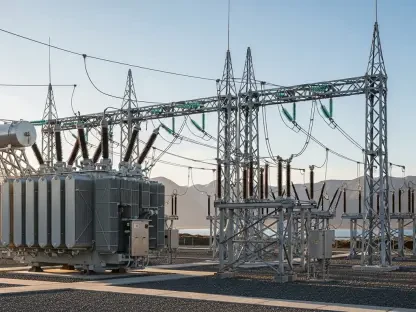
The American electrical grid, a complex web of interconnected systems, is fundamentally unprepared for the energy tsunami on the horizon. Key constraints identified in the analysis include severely limited transmission and distribution capacity, which act as a bottleneck, preventing power from being moved efficiently from where it is generated to where it is needed most. Compounding this physical limitation is a labyrinthine and slow-moving permitting process for essential infrastructure upgrades. This bureaucratic inertia means that even when solutions are identified and funded, their implementation can be delayed for years, a timeline that is woefully inadequate to meet the rapid pace of technological demand. This growing chasm between demand and the grid’s ability to supply power creates a precarious situation, increasing the risk of widespread blackouts. These outages are already becoming more frequent due to extreme weather events, and the added strain from data centers and AI could push the fragile system to its breaking point.
Charting a Course for Energy Resilience
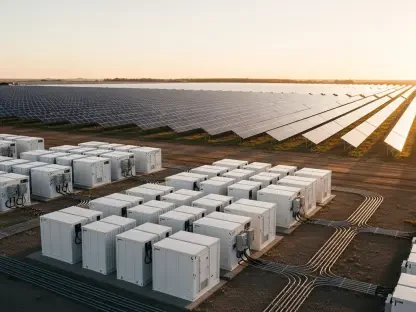
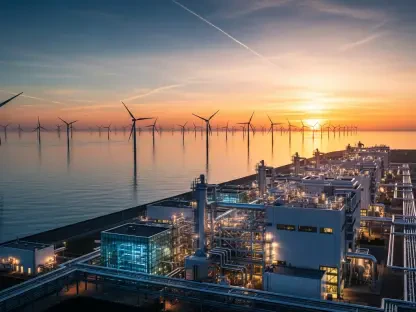
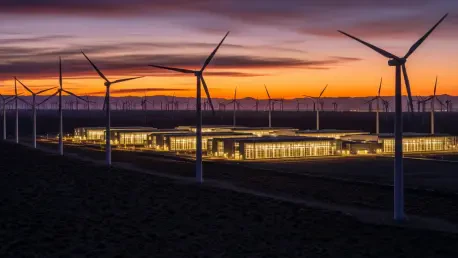
In confronting this challenge, a consensus emerged around a dual strategy that addressed the problem at both the grid level and the individual level. Systemically, experts pointed to solar and wind power as the most cost-effective and rapidly deployable sources of new energy generation needed to meet the escalating demand. It was recommended that utilities employ advanced modeling and predictive data analytics to strategically forecast future constraints and plan infrastructure investments more effectively. For individuals, home solar installations, especially when paired with battery storage, were presented as a powerful pathway toward energy independence. This approach allowed consumers to bypass an increasingly strained and unreliable grid, offering protection against volatile rate hikes and power outages. The availability of innovative leasing programs and significant tax incentives was crucial in making these home-based energy solutions more accessible and affordable, ultimately providing a tangible means for households to reduce or even eliminate their reliance on traditional utility power.