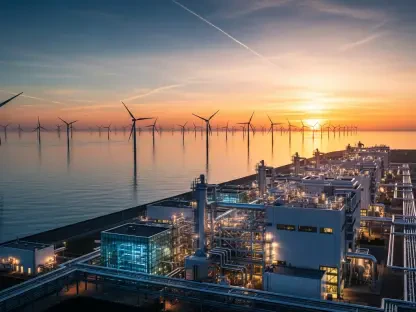

The global energy landscape is undergoing a profound transformation as the push for sustainability and efficiency drives unprecedented changes in power transmission systems, ushering in a new era of energy management with the rise of smart grid technologies. This shift is not just a technological upgrade but a response to pressing challenges like climate change, growing energy demands, and the need for reliable infrastructure. As governments and industries worldwide commit to renewable energy and modernization, the scale of investment in transmission networks is reaching staggering heights. This surge reflects a collective recognition that smarter, more resilient grids are essential to meet the demands of a rapidly evolving world. The focus now is on how these advancements can reshape the future of energy, balancing innovation with the practicalities of implementation.
Evolving Landscape of Power Transmission
Rising Investments in Infrastructure
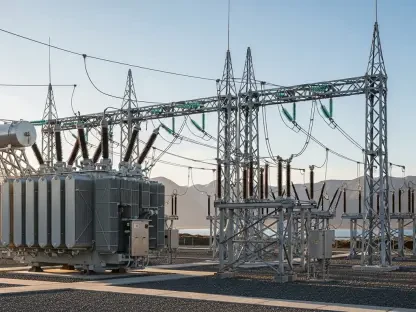
The scale of financial commitment to transmission infrastructure is a clear indicator of the urgency to modernize energy systems for a sustainable future. Projections from industry analysts suggest that global transmission investments will grow from $372.6 billion currently to $573.7 billion by 2030, achieving a compound annual growth rate of 9.2%. This remarkable increase is driven by the pressing need to enhance grid resilience and integrate renewable energy sources on a massive scale. Substations and transmission lines form the backbone of this expansion, with billions allocated to upgrade aging systems and build new capacity. Government policies worldwide are playing a pivotal role, incentivizing modernization through subsidies and regulatory frameworks that prioritize energy efficiency. The momentum behind these investments underscores a broader shift toward sustainable energy solutions, where the integration of advanced technologies is no longer optional but a critical necessity for meeting global energy goals.
Drivers Behind the Financial Surge
Beyond sheer numbers, several underlying factors are fueling this extraordinary wave of investment in transmission networks across the globe. A significant driver is the accelerating adoption of renewable energy, which requires robust grids capable of handling variable power sources like wind and solar. Additionally, the push for energy efficiency is prompting utilities to invest in systems that minimize waste and optimize distribution. The role of emerging technologies, such as smart meters and Internet of Things (IoT) devices, cannot be overstated, as they enable real-time monitoring and control of energy flows. Government-backed initiatives further amplify this trend, with policies designed to support grid modernization and reduce carbon footprints. As urban populations grow and industrial demands intensify, the pressure on existing infrastructure mounts, making these investments not just strategic but essential for maintaining energy security and stability in an increasingly interconnected world.
Technological Innovations Shaping Smart Grids
AI’s Transformative Impact on Grid Operations
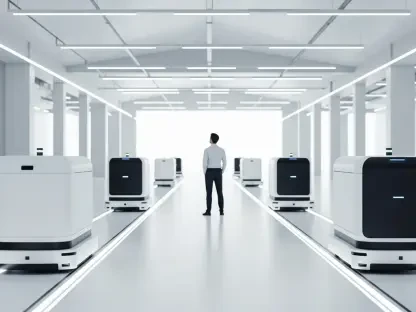
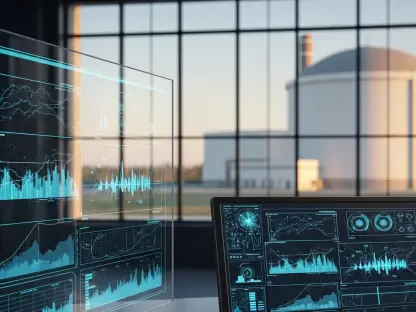
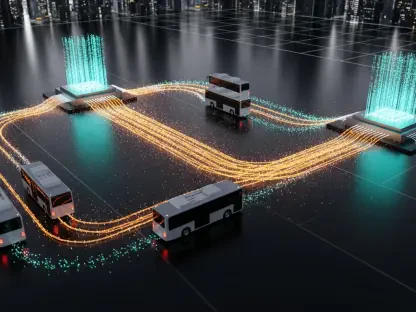
Artificial Intelligence (AI) is rapidly becoming a cornerstone of smart grid technology, offering solutions that enhance efficiency and reliability in ways previously unimaginable. By leveraging real-time data analysis, AI enables precise demand forecasting, predictive maintenance, and seamless integration of renewable energy into the grid. This technology optimizes power flow, balances supply and demand dynamically, and automates responses to potential instabilities, significantly reducing outages and energy waste. Industry leaders have noted that AI-driven tools can prevent equipment failures before they occur, ensuring a more dependable energy supply. Collaborations between tech giants and utilities are yielding innovative solutions, such as software-defined smart grid chips and advanced visualization tools for grid management. These advancements are transforming how utilities operate, paving the way for grids that are not only smarter but also more sustainable and responsive to modern energy challenges.
Data Centers as Key Players in Grid Stability
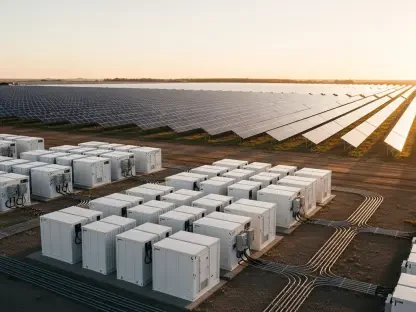
Data centers, with their immense energy requirements, are emerging as vital components in the evolution of smart grid systems, supporting both operational needs and sustainability goals. These facilities provide critical data processing and storage capabilities that underpin AI-driven automation and energy distribution monitoring. Innovations like microgrids and energy storage systems allow data centers to optimize consumption while contributing to grid stability through services such as frequency regulation. Partnerships between utilities and technology firms are fostering operational flexibility, enabling data centers to integrate seamlessly with grid infrastructure. Furthermore, advanced setups can support bidirectional power flow, supplying energy back to the grid during emergencies, which enhances overall reliability. As energy demands continue to rise, the role of data centers in balancing load and supporting renewable integration is becoming increasingly indispensable, highlighting their strategic importance in the smart grid ecosystem.
Reflecting on a Sustainable Energy Path
The journey toward a modernized energy infrastructure reveals a dynamic interplay of investment, technology, and policy that has reshaped the power transmission sector. Significant strides have been made as billions are channeled into upgrading grids to meet the demands of a renewable-driven future, with AI and data centers proving instrumental in enhancing efficiency and stability. Governments worldwide have played a crucial role, crafting policies that support innovation and sustainability, while industry collaborations drive the adoption of cutting-edge solutions. Looking ahead, the focus should shift to scaling these advancements, ensuring that investments are matched by robust frameworks for technology integration. Stakeholders must prioritize interoperability among diverse systems and address the complexities of modernizing aging infrastructure. By fostering continued innovation and global cooperation, the energy sector can build on past achievements to create a resilient, sustainable grid capable of meeting tomorrow’s challenges.