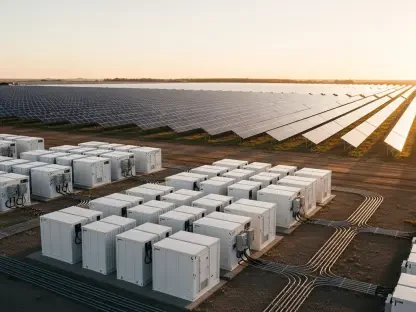

In a decisive move that signals a deeper commitment to environmental stewardship, advanced materials leader Shawmut Corporation is aligning with a powerful national initiative to reshape the energy landscape of American manufacturing. The company has officially partnered with the U.S. Department of Energy’s (DOE) Better Buildings & Better Plants program, embarking on an ambitious journey to significantly reduce its operational footprint and champion a new era of sustainable industrial practices.
A Landmark Commitment to Sustainable Manufacturing
Shawmut Corporation’s entry into the DOE’s Better Plants program represents a pivotal moment in its long-standing history of innovation, marking a formal and public pledge to decarbonization. This collaboration is not merely a symbolic gesture; it is a strategic alliance that integrates the company’s internal sustainability goals with a structured, nationally recognized framework. By joining this network, Shawmut places itself at the forefront of a movement dedicated to proving that environmental responsibility and manufacturing excellence are not mutually exclusive but are, in fact, deeply interconnected.
The significance of this partnership extends beyond Shawmut’s own factory walls. It demonstrates a proactive approach to addressing the urgent challenges of climate change within the industrial sector, which is a major contributor to national energy consumption. This commitment serves as a powerful statement to customers, partners, and the industry at large that the future of advanced materials manufacturing lies in a model that prioritizes efficiency, transparency, and a reduced environmental impact.
The Foundation of the Better Plants Program
To fully appreciate the weight of Shawmut’s commitment, it is essential to understand the initiative it has joined. The DOE’s Better Plants program is a voluntary partnership designed to drive significant energy efficiency improvements across the U.S. industrial sector. The program works with leading manufacturers to help them set ambitious goals, develop energy management plans, and track their progress, providing technical assistance and national recognition for their achievements.
At its core, the Better Plants program functions as a collaborative engine for innovation. It creates a platform where companies can access DOE resources, including expert guidance and cutting-edge research, while also sharing best practices and successful strategies with a network of over 270 other partners. By framing its environmental pledge within this credible and established initiative, Shawmut not only gains valuable support but also lends its own expertise to a collective effort aimed at strengthening the competitiveness and sustainability of American manufacturing as a whole.
Shawmut’s Strategic Blueprint for Decarbonization
Shawmut’s participation is defined by a clear and aggressive strategic blueprint, centered on measurable targets and a phased implementation plan designed for maximum impact. This roadmap translates the company’s broad sustainability vision into a series of concrete actions, ensuring accountability and driving tangible results across its domestic operations.
The 25% Energy Reduction Pledge
The centerpiece of Shawmut’s commitment is a formidable goal: to reduce its energy intensity by 25% across all its U.S. facilities within a decade. Using 2023 as the baseline year for measurement, this pledge sets a clear and quantifiable benchmark for success. This target is not an arbitrary figure but a carefully considered objective that reflects both the scale of the challenge and the company’s confidence in its ability to innovate and optimize its processes.
This long-term pledge underscores a commitment to sustained effort rather than short-term fixes. It requires a fundamental rethinking of how energy is consumed throughout the production cycle, pushing the company to integrate efficiency into every aspect of its operations, from equipment procurement to daily manufacturing routines.
A Targeted Implementation Strategy
Recognizing that a one-size-fits-all approach is ineffective, Shawmut is adopting a targeted strategy that prioritizes its most energy-intensive processes. The initial focus will be on textile dyeing and finishing operations, which are traditionally high-consumption areas within the industry. By concentrating efforts here, the company can achieve the most significant reductions in thermal energy use and overall emissions early in the ten-year timeline.
This focused plan will be systematically rolled out across five of Shawmut’s U.S. facilities. At each site, dedicated teams are tasked with benchmarking current performance against the 2023 baseline, conducting comprehensive energy audits to identify inefficiencies, and developing site-specific improvement plans. This granular, facility-level approach ensures that solutions are tailored to the unique operational realities of each location while contributing to the overarching corporate goal.
A Multi-Pronged Action Plan
Achieving a 25% reduction in energy intensity necessitates a multi-pronged action plan that combines technological upgrades with systemic process improvements. A key tactic involves the modernization of existing equipment, replacing older, less efficient machinery with state-of-the-art alternatives that consume less power. This will be complemented by a rigorous optimization of current manufacturing processes to eliminate waste and streamline energy usage.
Furthermore, Shawmut plans to integrate advanced heat recovery systems, which capture waste heat from industrial processes and repurpose it for other operational needs, thereby creating a more circular energy system within its facilities. The strategy also includes a proactive effort to source more renewable energy, shifting the company’s power mix toward cleaner alternatives. This combination of tactics creates a robust and resilient framework for decarbonization.
Innovation as a Differentiator in Sustainability
What truly sets Shawmut apart in its sustainability journey is its deep-rooted culture of innovation, which extends from its manufacturing floors to the very products it creates. The company leverages proprietary technology not only to improve its own operations but also to empower its customers to make more environmentally responsible choices.
This forward-thinking approach is best exemplified by Shawmut Insights™, a unique Life Cycle Assessment (LCA) system developed in-house. This powerful tool provides a comprehensive, cradle-to-grave analysis of a product’s environmental impact, evaluating factors from raw material extraction to end-of-life disposal. By offering this data, Shawmut enables its customers in demanding sectors like automotive and industrial to select lower-carbon materials with confidence, directly contributing to the sustainability of their own supply chains. The operational energy reductions achieved through the Better Plants program will, in turn, enhance the LCA results, delivering even greater value and a more compelling environmental profile for Shawmut’s products.
Current Initiatives and Industry Collaboration
As a new partner in the Better Plants program, Shawmut is already engaged in the foundational activities required to meet its ambitious goals. The initial phase involves intensive data collection and analysis, as teams across its U.S. facilities work to establish precise performance benchmarks. This process includes conducting detailed energy audits to map consumption patterns and pinpoint specific opportunities for improvement, laying the groundwork for the targeted interventions to come.
However, the program’s value lies as much in collaboration as it does in internal action. Shawmut is now part of a dynamic network of U.S. manufacturers, and a key aspect of its participation will be the sharing of progress, insights, and lessons learned. This collaborative spirit is central to the DOE program’s mission, as it fosters an environment where innovation can be accelerated across the entire industrial sector. By contributing its own findings, Shawmut will help other companies overcome similar challenges, amplifying the impact of its efforts far beyond its own operations.
Reflection and Broader Impacts
Shawmut’s commitment to the Better Plants program is more than just a corporate initiative; it is a reflection of a broader shift in the manufacturing industry toward a more sustainable and data-driven future. The company’s approach and the potential ripple effects of its actions merit closer consideration.
Reflection on Shawmut’s Approach
The strength of Shawmut’s strategy lies in its methodical, data-driven foundation. By establishing a clear baseline and focusing on measurable reductions, the company avoids vague environmental promises in favor of a transparent and accountable plan. This analytical approach, combined with its investment in tools like the Shawmut Insights™ LCA system, positions the company to make intelligent and impactful decisions.
Nonetheless, the path ahead is not without challenges. Modernizing energy-intensive industrial processes, particularly in legacy facilities, requires significant capital investment and careful operational planning to avoid disrupting production. Overcoming these hurdles will test the company’s resolve and its ability to innovate under pressure, but its structured plan provides a solid framework for navigating these complexities.
Broader Impact on the Manufacturing Sector
Shawmut’s partnership with the DOE has the potential to influence industry trends and set a new standard for what is possible in sustainable manufacturing. As a leader in advanced materials, its actions are closely watched by peers, competitors, and customers. By demonstrating a viable and profitable path to decarbonization, Shawmut can inspire other companies to pursue similar goals, creating a domino effect that elevates sustainability practices across the sector.
Moreover, the knowledge shared through the Better Plants network will contribute to a collective pool of industry intelligence, helping to accelerate the adoption of energy-efficient technologies and strategies nationwide. This collaborative effort could ultimately help fortify the global competitiveness of American manufacturing by building a more resilient, efficient, and environmentally responsible industrial base.
Leading the Charge for a Greener Industrial Future
Shawmut Corporation’s journey with the DOE’s Better Plants program marks a defining chapter in its commitment to environmental leadership. The company’s ambitious 25% energy reduction pledge, supported by a detailed strategic plan and differentiated by innovative tools like Shawmut Insights™, establishes a clear trajectory toward a lower-carbon future. This initiative is a powerful fusion of corporate responsibility and strategic foresight.
Through this partnership, Shawmut is not just optimizing its own operations; it is actively contributing to a larger industrial transformation. Its actions underscore a fundamental belief that sustainable manufacturing is the cornerstone of long-term success, and by leading the charge, the company is helping to shape a more responsible and resilient industrial landscape for generations to come.