
Introduction: Is the ETAP Grid Twin a Game Changer for Power Systems
The increasing volatility of modern power systems, stressed by renewable energy integration and unpredictable weather, demands a shift from reactive problem-solving to proactive, predictive management. Utilities and critical infrastructure operators are facing unprecedented complexity, where traditional, siloed approaches to planning and operations are no longer sufficient to guarantee reliability. The need for a unified, intelligent platform has never been more acute.
This review assesses the Schneider ETAP Grid Twin, a physics-based digital twin solution designed to confront these very issues. The analysis will explore whether its integrated approach to grid modeling, simulation, and real-time operation provides a tangible return on investment. Ultimately, it seeks to determine if this technology is a transformative tool that effectively addresses the pressing challenges of electrification and grid modernization.
Unpacking the Technology: What Is the ETAP Grid Twin
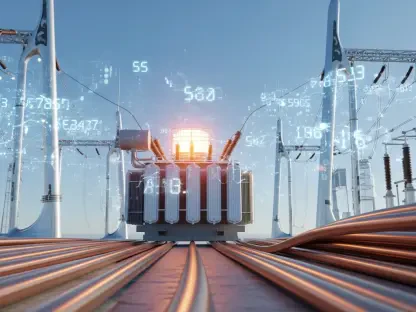
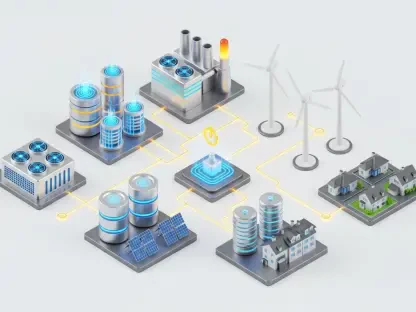
The ETAP Grid Twin is an advanced digital solution that creates a dynamic, engineering-grade replica of a physical power grid. It achieves this by merging the detailed power system modeling and simulation capabilities of ETAP with Schneider Electric’s expansive EcoStruxure platform and its ArcFM Web geographic information system (GIS). This powerful combination forms the foundation of a comprehensive virtual environment for grid management.
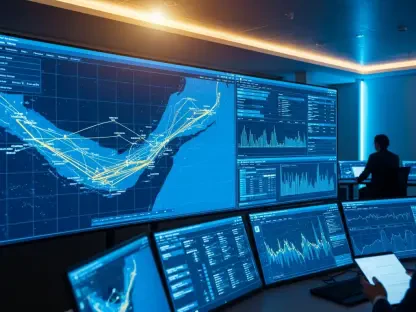
At its core, the platform’s primary function is to provide a single, consistent system model that can be utilized across departments. By integrating real-time operational data into this detailed engineering model, it allows operators to run complex simulations that accurately reflect current grid conditions. This breaks down information silos, ensuring that planning, engineering, and operations teams all work from a single source of truth, thereby reducing data inconsistencies and enhancing collaborative decision-making.
Performance in Practice How Well Does It Work
The platform’s simulation and analysis capabilities are where it demonstrates its most significant value. It enables operators to perform critical analyses, such as contingency planning to prepare for unexpected outages, validation of protection coordination schemes to prevent cascading failures, and arc-flash hazard assessments compliant with NFPA 70E standards. These tools provide deep insights into system behavior, directly enhancing both safety and reliability.
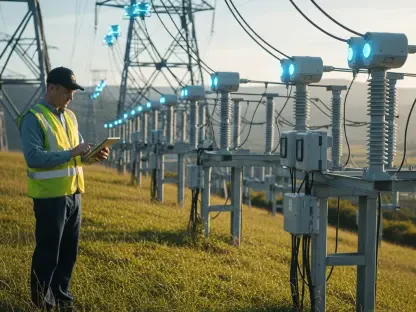
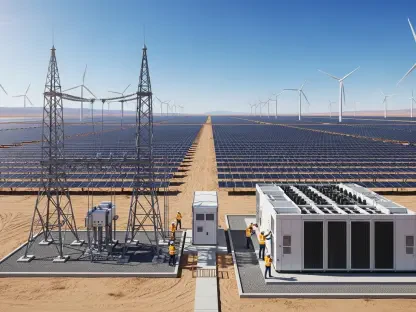
In terms of day-to-day operations, the Grid Twin offers a substantial boost to efficiency. The ability for operators to simulate switching actions before executing them in the field drastically reduces the risk of costly and dangerous misoperations. Moreover, the solution streamlines the complex interconnection process for new distributed energy resources (DERs), such as solar and wind farms, allowing for faster and safer integration into the grid. This unified model bridges the gap between theoretical plans and practical execution.
The Balance Sheet Key: Advantages and Potential Drawbacks
The primary advantages of the Grid Twin are directly tied to its ability to enhance grid reliability and operational intelligence. By accurately predicting system behavior under various conditions, it allows utilities to validate protection schemes and make smarter, data-driven decisions. This, in turn, accelerates the safe integration of renewable energy sources and fosters a unified, enterprise-wide view of the grid that improves collaboration and efficiency.
However, adopting such a sophisticated system is not without its challenges. The high initial cost and complexity of implementation represent a significant investment in both technology and personnel training. Furthermore, the platform’s performance is heavily dependent on the quality and availability of real-time operational data; inaccurate or incomplete data will compromise the fidelity of the simulations. Organizations must also consider the potential for vendor lock-in within the Schneider Electric and ETAP ecosystem.
Final Verdict: A Worthwhile Investment
The Schneider ETAP Grid Twin represents a significant step forward in the field of power system management. By fusing detailed engineering models with live operational data, it provides an unparalleled tool for navigating the immense complexities of the modern grid. The platform offers a powerful and comprehensive solution for organizations struggling with DER integration, aging infrastructure, and escalating reliability demands.
For these entities, the Grid Twin proves to be a worthwhile investment for future-proofing grid operations. Its ability to create a cohesive, predictive, and intelligent management environment addresses the core challenges facing the energy sector. While the upfront investment is considerable, the long-term benefits in safety, efficiency, and reliability position it as a critical asset for modernizing power systems.
Recommendations and Target Audience
This technology is highly recommended for electric utilities, transmission and distribution system operators, and managers of critical infrastructure where power reliability is non-negotiable, including data centers, large industrial facilities, and healthcare campuses. Its capacity for detailed simulation and predictive analysis makes it particularly valuable for any organization managing a complex and dynamic electrical network.
Before adoption, it is crucial for an organization to conduct a thorough assessment of its existing data infrastructure to ensure it can support the platform’s requirements. Decision-makers should budget for a comprehensive implementation and training program and prepare internal teams to transition to a more integrated, data-driven operational model. A strategic approach to implementation will be key to unlocking the full potential of this transformative technology.