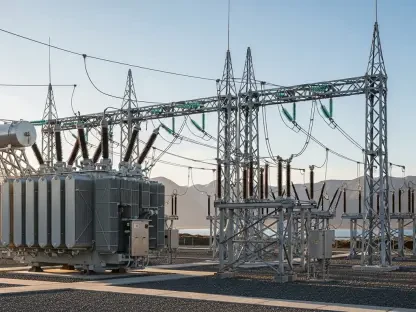

Chile stands at a perplexing crossroads, celebrated as a global leader in renewable energy generation yet simultaneously forced to discard a significant portion of the clean power it produces. This paradox stems from a critical structural imbalance where the explosive growth of solar and wind installations has dramatically outpaced the capacity of the nation’s electrical grid to transmit and distribute the energy. According to Gianluca Palumbo, CEO of Enel Chile, this growing disconnect between supply and demand has created a dangerous bottleneck, turning the country’s green energy boom into a liability. The core problem has shifted decisively from a lack of generation to the profound inadequacy of the transmission infrastructure, leading to chronic oversupply and widespread curtailment that leaves valuable clean energy wasted and multi-billion-dollar investments in new power plants severely underutilized. This situation poses a direct threat to the momentum of Chile’s entire energy transition, jeopardizing its climate goals and its reputation as a renewable energy pioneer.
The Regulatory Impasse Stifling Progress
The primary barrier halting the modernization of Chile’s energy infrastructure is not a technological deficit but a persistent regulatory vacuum. Industry leaders argue that without a clear, predictable, and long-term regulatory framework, the crucial investment decisions needed to upgrade the grid remain indefinitely on hold. Building a modern, resilient, and digital grid is a capital-intensive, multi-year endeavor that requires unwavering confidence from investors. However, the current lack of defined rules and market signals creates an environment of uncertainty that makes committing to such large-scale projects exceptionally difficult. This policy paralysis means that while renewable generation capacity continues to grow, the transmission and distribution networks—the vital arteries of the energy system—are falling further behind. The consensus view is that until policymakers establish a stable and forward-looking framework, the private sector will be unable to deploy the capital required to build the grid of the future.
This state of inaction carries severe economic consequences that ripple throughout the energy sector and the broader economy. The widespread curtailment of renewable energy represents a direct financial loss, as power from fully constructed and operational solar and wind farms is simply dumped without generating revenue. This inefficiency not only undermines the profitability of existing investments but also sends a chilling signal to potential future investors. When developers see that new power plants may be unable to deliver their energy to market due to grid congestion, the perceived risk of new projects skyrockets, deterring the very investments needed to continue the transition. This vicious cycle, where infrastructural neglect devalues generation assets, threatens to stall the country’s progress. The failure to align grid development with generation expansion effectively strands capital, wastes clean resources, and places a hard ceiling on Chile’s potential to decarbonize its economy.
A Blueprint for a Modern Energy System
To resolve this critical imbalance, experts advocate for a multi-faceted strategy that begins with fundamentally transforming the nation’s power grids. The proposed vision involves evolving the grid from a passive system of wires designed for one-way power flow into an active, intelligent, and digital platform. This modernization hinges on the deployment of advanced technologies such as smart meters, real-time monitoring systems, and sophisticated grid management software. Such a digitalized grid could dynamically adapt to the intermittency of renewables, accommodate new consumption patterns driven by electrification, and enhance resilience against extreme weather events. In parallel, a concerted effort is needed to stimulate electricity demand across the economy. Promoting the broad adoption of electric mobility, deploying efficient heat pumps for heating and cooling, supporting the expansion of energy-intensive data centers, and encouraging the digitalization of industrial processes would create the necessary market to absorb the surplus of clean energy, turning a problem of oversupply into an economic opportunity.
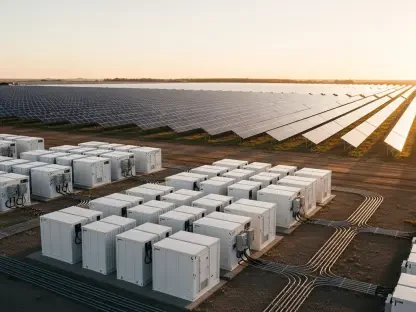
Beyond upgrading the grid, the very philosophy of power generation requires a paradigm shift toward inherently hybrid project designs. The power plant of the future can no longer be a standalone solar or wind farm but must be an integrated system that combines renewable generation with energy storage solutions. Primarily, this involves the co-location of Battery Energy Storage Systems (BESS) with new and existing renewable facilities. This integration is crucial for moving beyond simply providing raw energy to offering the flexibility and stability that the modern grid desperately needs. Battery systems can store excess energy generated during peak production hours and discharge it during periods of high demand or low generation, thereby smoothing out the intermittency of renewables. By providing essential grid services like frequency regulation and voltage support, these hybrid projects ensure a reliable and consistent power supply, transforming intermittent resources into firm, dispatchable assets that can form the backbone of a decarbonized energy system.
Forging a Path Forward
The comprehensive analysis of Chile’s energy sector revealed that its primary challenge was not a deficiency in technological capability or natural resources, but rather a critical gap in strategic regulatory planning. It became evident that the country possessed all the necessary tools and potential to lead South America’s transition to a fully electrified and decarbonized economy. The solutions, including the urgent digitalization of the power grid, the strategic stimulation of electricity demand, and the mandated integration of energy storage systems with renewable generation, were identified as essential and achievable steps. Ultimately, unlocking Chile’s full potential depended entirely on the political will to overhaul its outdated regulations. This required creating a modern, agile policy framework that could finally bridge the divide between its ambitious generation goals and its lagging infrastructural reality, enabling the grid to function as the true foundation for a sustainable energy future.