
As the digital world increasingly relies on artificial intelligence, an often-overlooked consequence is the colossal energy consumption required to power the data centers that make this technology possible, a challenge Oklahoma Gas and Electric (OG&E) is now confronting head-on with a new, large-scale proposal. The utility has filed a request with the Oklahoma Corporation Commission to approve its fourth major energy project aimed at shoring up generation capacity, directly citing the need to prevent future power shortfalls driven by this technological surge. This latest initiative, a nearly $400 million investment, underscores a critical intersection of technological advancement and fundamental infrastructure, raising questions about how to balance innovation with the cost to consumers. The proposal is not just about building a new facility; it represents a strategic pivot to pre-emptively address an energy demand curve that is steepening at an unprecedented rate, forcing regulators and the public to grapple with the tangible costs of a virtual revolution.
A Proactive Strategy Amidst Growing Deficits
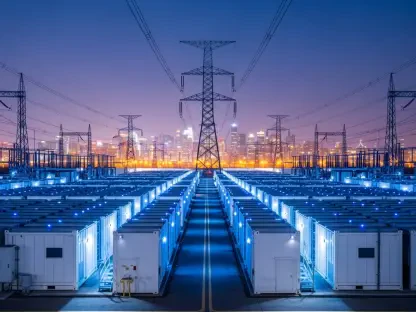
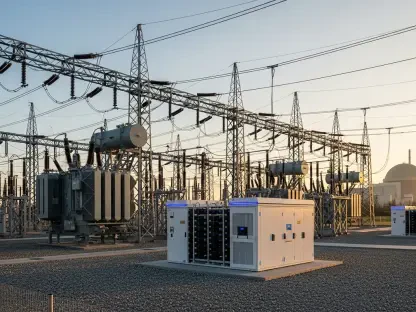
The centerpiece of the utility’s recent filing is the proposed Frontier Energy Storage Project, a sophisticated 302-megawatt Battery Energy Storage System (BESS) slated for construction in Kay County. This ambitious project, with an estimated price tag of $394 million, is being developed in partnership with Deriva Energy, the entity formerly known as Duke Energy Renewables. With a target completion date set for late 2027, the BESS is designed to provide critical grid stability and dispatchable power, capable of storing energy during periods of low demand and releasing it when consumption peaks. To fund this significant undertaking, OG&E is requesting a modification to its Generation Cost Recovery (GCR) rider. This financial mechanism is crucial as it would allow the utility to pass the project’s costs directly to its customer base through their monthly bills, a move intended to finance the infrastructure necessary to maintain grid reliability in the face of escalating power needs. This approach highlights the direct financial link between large-scale energy infrastructure and consumer rates.
This request does not exist in a vacuum; it is the latest step in an ongoing and aggressive campaign by OG&E to secure pre-approval for massive capital investments designed to bolster its generation portfolio. The Frontier project follows closely on the heels of three other significant projects that recently received regulatory green lights. These include the expansion of the Horseshoe Lake power plant with units HL 13 and 14, the development of the Black Kettle battery project in Enid, and the Kiamichi CPA project. This series of proposals signals a clear and urgent strategy from the utility to get ahead of what it projects as a severe and imminent energy deficit. The company’s justification, detailed in extensive testimony, paints a picture of a power grid stretching to its limits, where inaction could compromise its ability to provide what it terms “safe, adequate, and reliable service” to its customers across the state. The rapid succession of these large-scale requests demonstrates the scale of the perceived threat to grid stability.
Regulatory Hurdles and Market Pressures
The utility’s expansion plans, however, have not advanced without contention, highlighting a growing tension between the need for grid modernization and concerns over ratepayer impact. The previous round of project approvals was decided by a narrow 2-1 vote at the Oklahoma Corporation Commission, indicating a significant division among regulators. Corporation Commissioner Todd Hiett cast the dissenting vote, articulating a clear concern regarding a “lack of protection for consumers” embedded in the pre-approval process for such substantial expenditures. This dissent brings a critical theme to the forefront: the regulatory challenge of balancing a utility’s long-term infrastructure planning against the immediate financial burden placed on households and businesses. As OG&E brings forth another major project seeking pre-approved cost recovery, it is likely to face renewed scrutiny over consumer safeguards and the justification for such a rapid succession of costly build-outs.
In its filing, OG&E built a compelling case for urgency by referencing its 2024 and 2025 Integrated Resource Plans (IRP), which project a stark and escalating energy shortfall in the coming years. According to testimony from Kimber Shoop, OG&E’s Director of Regulatory Affairs, the state’s power grid faces a deficit of 394 megawatts in 2028, even after accounting for the recently approved projects. This gap is projected to widen dramatically, reaching 981 megawatts by 2031 and reflecting a total forecasted need of 1,647 megawatts by 2030. The utility also detailed the difficult market conditions that complicated its recent proposal process. It navigated significant supply chain disruptions, uncertainty surrounding federal tax credits for renewable and storage projects, and intense demand from other utilities for similar equipment, all of which made negotiations with potential bidders challenging. This confluence of internal projections and external market pressures formed the core of OG&E’s argument that immediate, decisive action was necessary.